Build a shop that performs with screen printing equipment selected for accuracy, repeatability, and throughput. From manual and automatic presses to LED exposure units, flash and conveyor dryers, and washout solutions, Buckets of Ink outfits your production with gear that protects registration, cure, and finish.
Presses that Match Your Volume and Art Mix
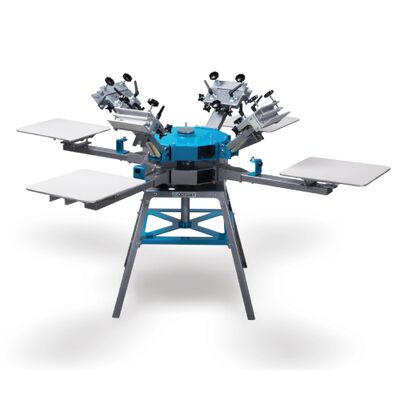
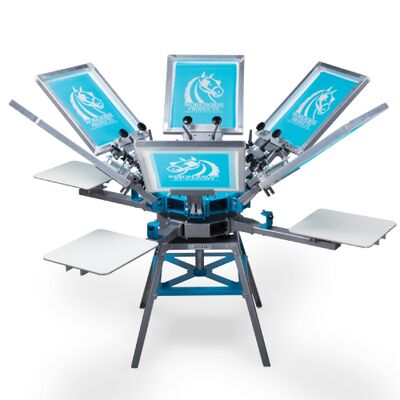
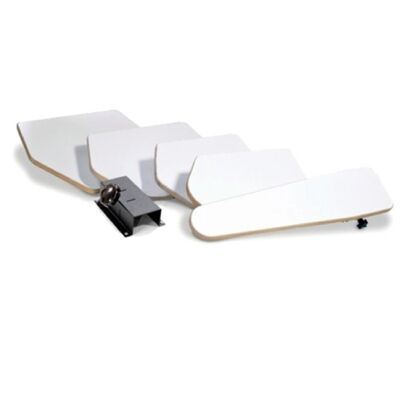
Manual presses deliver nimble setup and tactile control for short runs, sampling, and frequent changeovers. Automatic presses apply steady squeegee speed and pressure across the print area for long runs and tight deadlines. Align head count, palette size, and micro-registration features to your average art size and daily targets, then standardize pallets and off-contact to keep edges sharp.
LED Exposure Units for Fast, Repeatable Stencils
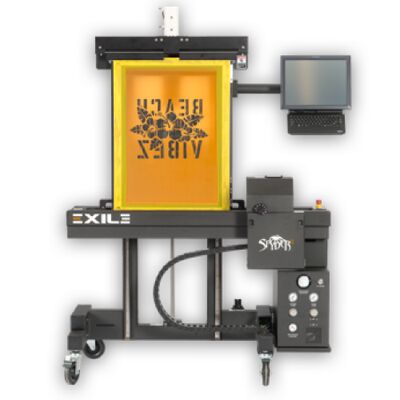
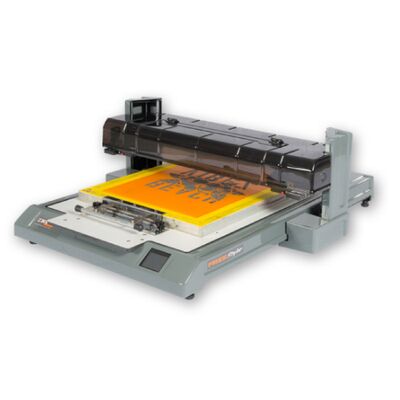
Modern LED exposure delivers rapid, cool, and consistent stencil making with excellent detail and less undercutting. Pair an LED unit with quality dual-cure or pure photopolymer emulsion, maintain a light-safe coating room, and track exposure time with a step wedge so halftones and micro-type hold during long runs.
Flash Dryers and Conveyor Dryers that Cure with Confidence
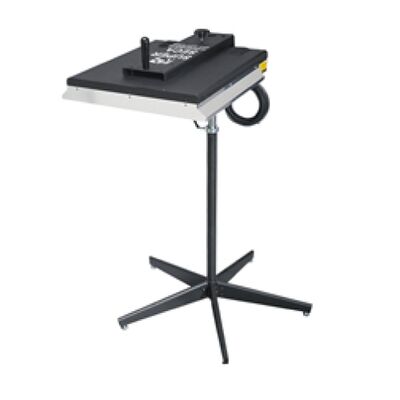
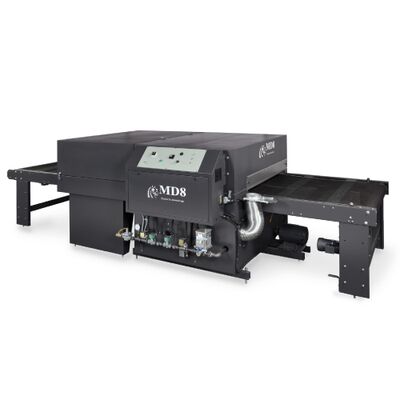
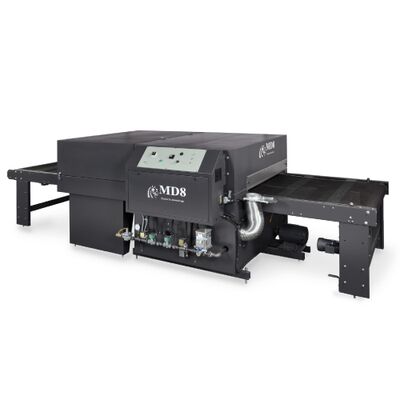
A reliable flash stabilizes underbases and traps colors without scorching. A tuned conveyor dryer completes cure with controlled belt speed and temperature, ensuring hand remains soft and wash performance stays strong. Verify core temperature with test strips or a probe and log dwell times to keep garments leaving the tunnel consistent.
Washout Booths, Screens, and Registration that Protect Detail
Clean, well-lit washout areas make reclaim predictable, while proper filtration keeps drains compliant and spray safe. Choose high-tension mesh for edge acuity, match squeegee durometer to ink and mesh, and use registration systems that position screens quickly so operators can focus on ink control and print cadence.
Integrated Workflow from Darkroom to Dryer
Consistent results come from a tuned stack. Start with coated and dried screens, expose to spec, verify tension and off-contact, and manage ink viscosity and flood cadence on press. Move through a flash and tunnel with stable parameters, then evaluate prints for cure, gloss, and stretch. With a repeatable routine, proofs turn into profitable orders that feel and look premium.
Nationwide Supply, Setup Guidance, and Real-Shop Support
Buckets of Ink ships equipment, installs workflows, and trains operators with practical checks for exposure, registration, flash timing, and tunnel cure. We align gear to your art sizes, fabric mix, and deadlines so crews print faster, waste less, and maintain the finish your clients expect.
Business Listing and Contact
Buckets of Ink, 906 S. Priest Dr, Suite 101, Tempe, AZ 85281. Phone: +1-888-704-INKS. Website: www.bucketsofink.com. Talk with our team to size presses, dryers, and exposure units to your throughput goals and budget.
Vastex Screen Printing Equipment & Supplies
Vastex dryers, exposure units, presses, and parts — search any model number or item to find it fast.
How many stations and colors should my first press have? Plan for your most common art. A 4-color 4-station handles many designs; 6-color 4- or 6-station increases flexibility. More stations enable continuous loading and higher daily output.
What conveyor dryer belt width do I need? Match belt width to your largest garment and pallet plus safe margins. For scalability, choose a belt that supports side-by-side tees or hoodies without crowding to preserve cure uniformity.
Do I need air recirculation in my tunnel? Recirculation stabilizes chamber temperature and improves cure consistency across the belt. It also shortens dwell at the same target temp, improving throughput without sacrificing hand.
How do I choose mesh counts? Pair lower mesh with heavy underbases and higher mesh with detail and thinner inks. Keep tension high and consistent so edges stay crisp and ink deposit remains predictable across runs.
What maintenance schedule prevents downtime? Log screen room temperatures and exposure times, clean flashes and tunnels, check bearings and belts, replace squeegee blades when edges round, and verify press level and off-contact weekly.