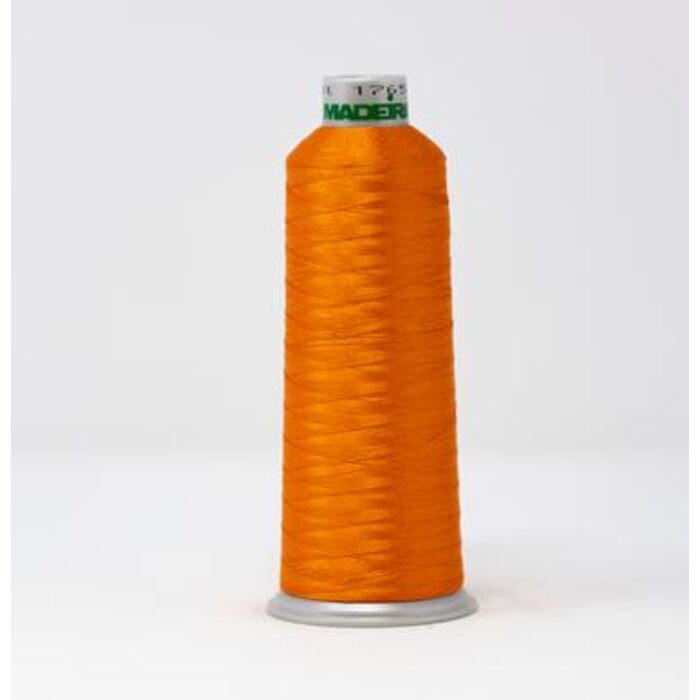
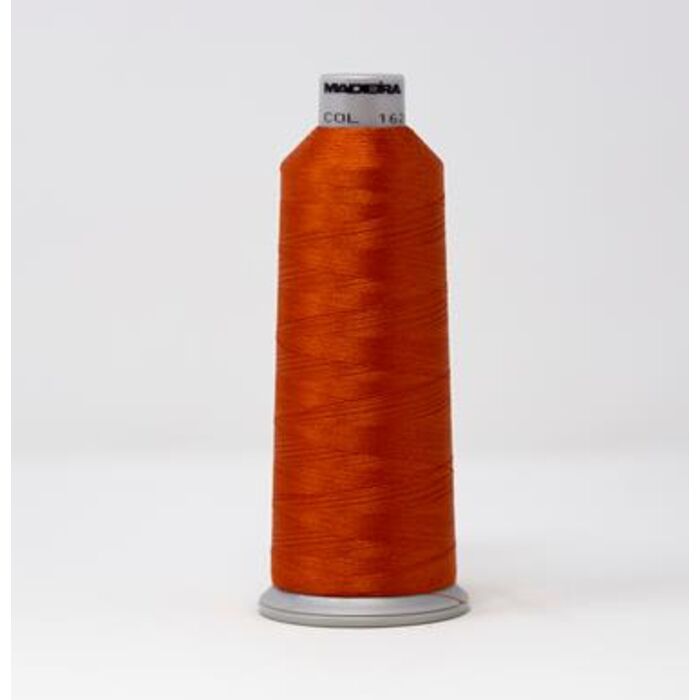
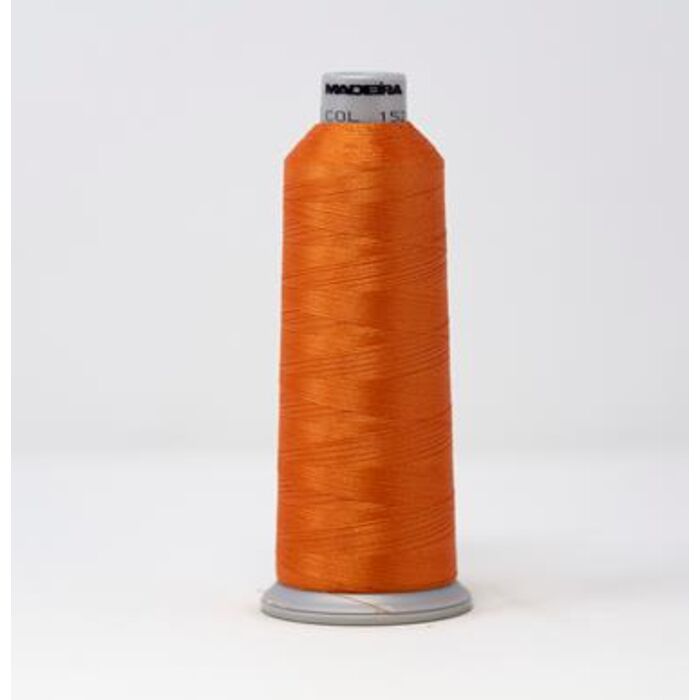
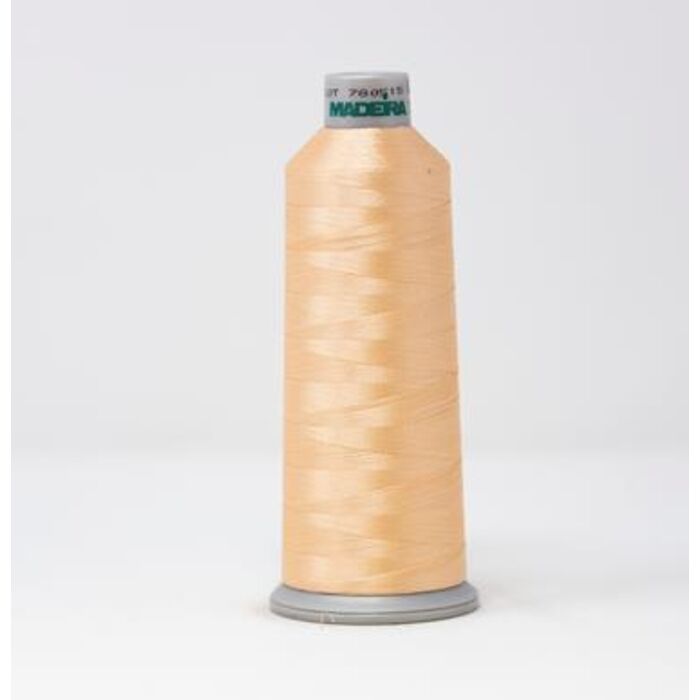
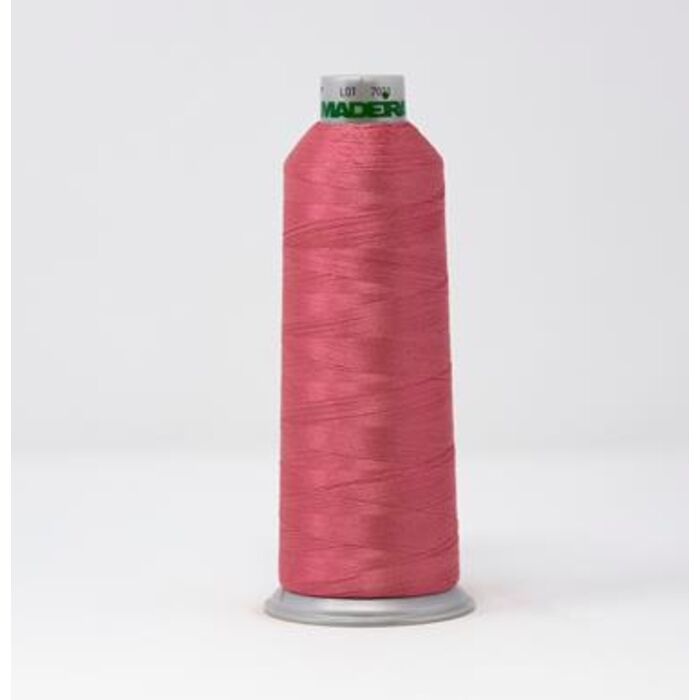
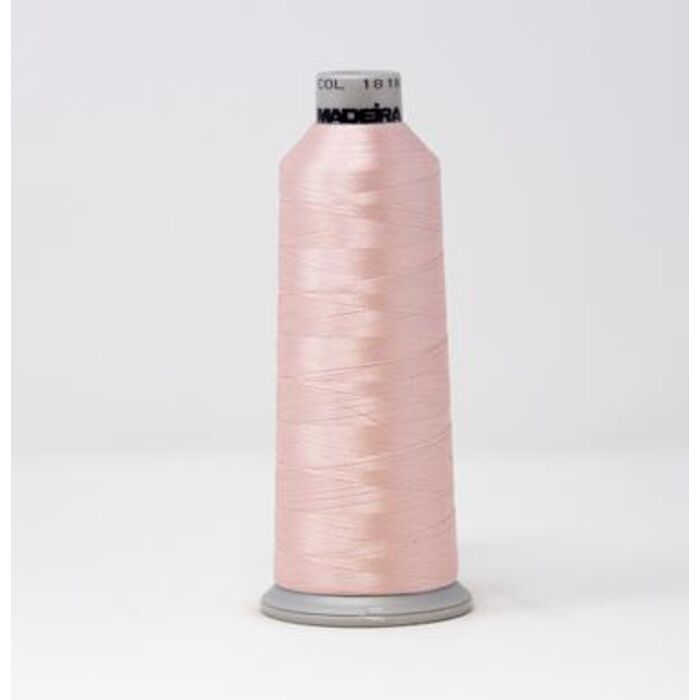
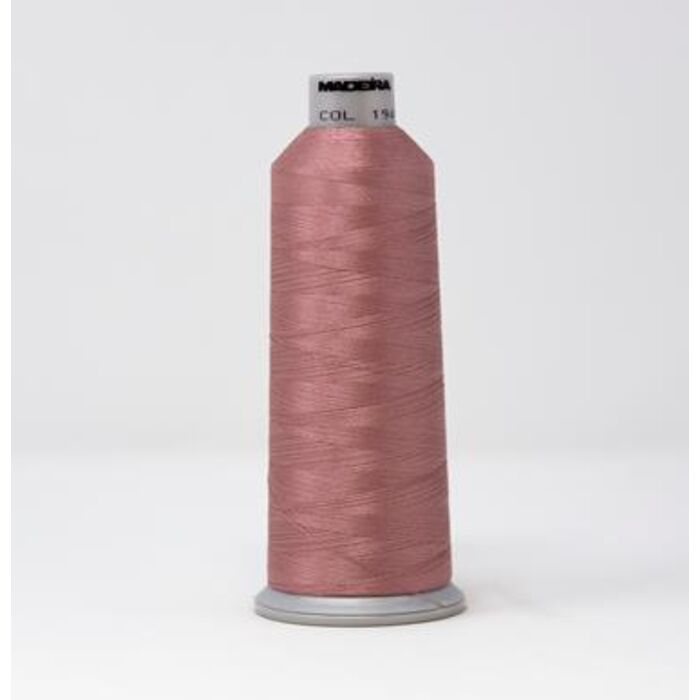
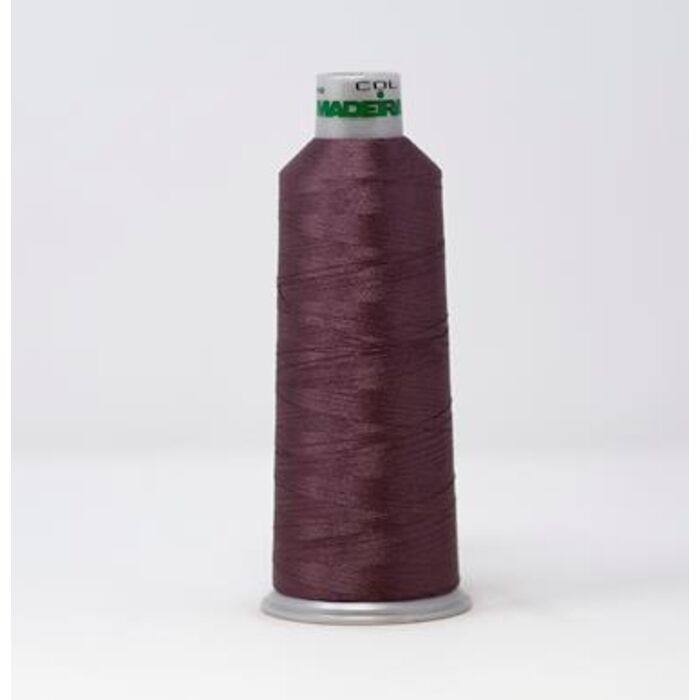
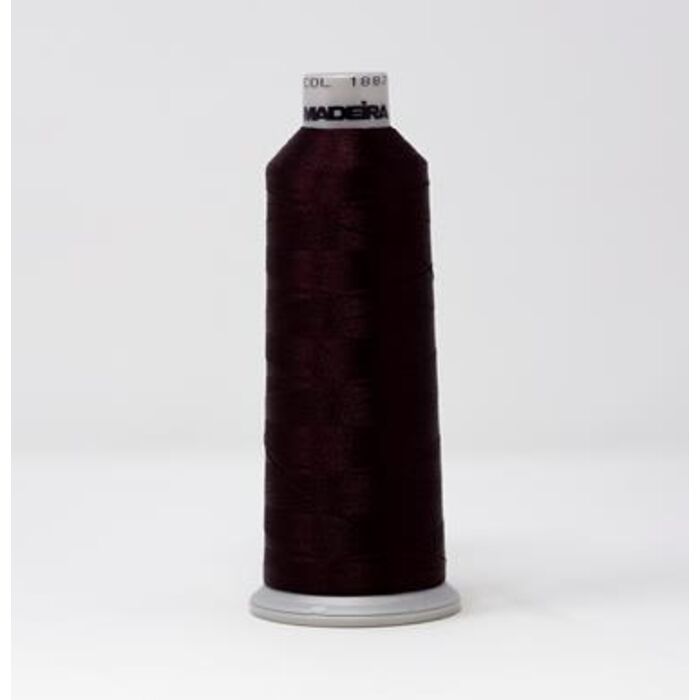
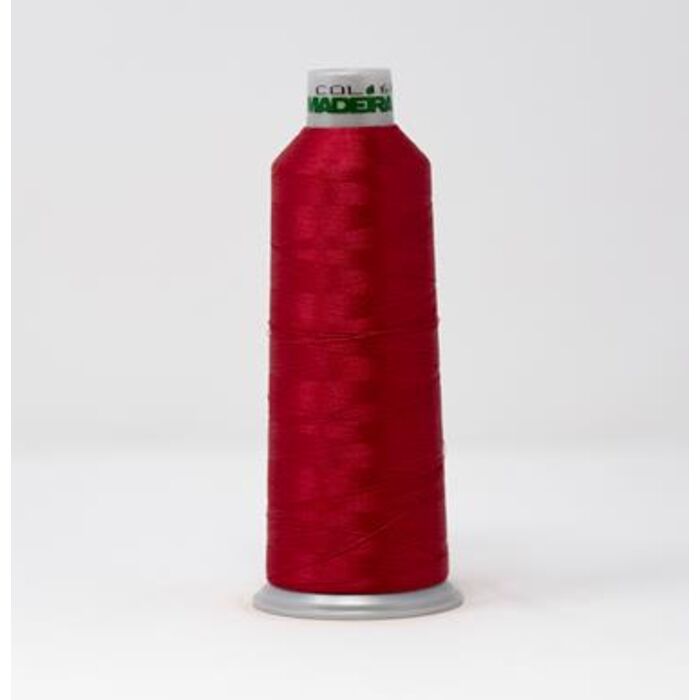
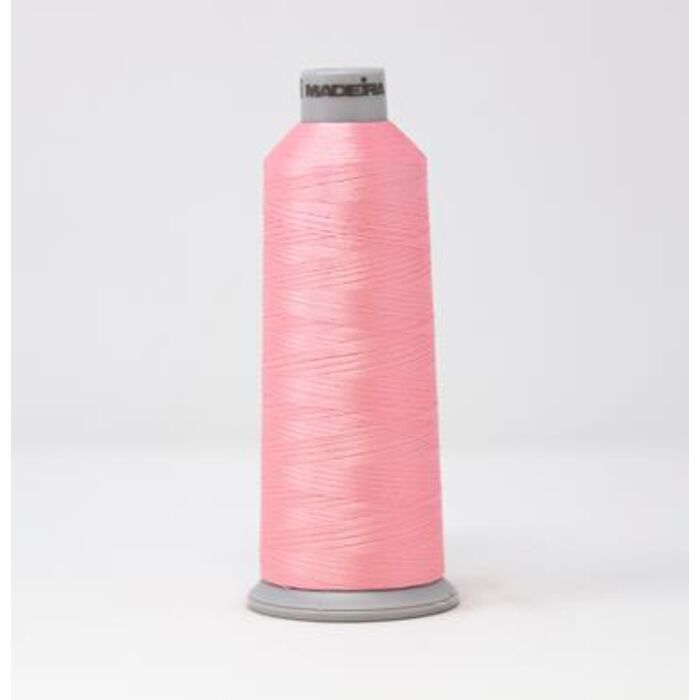
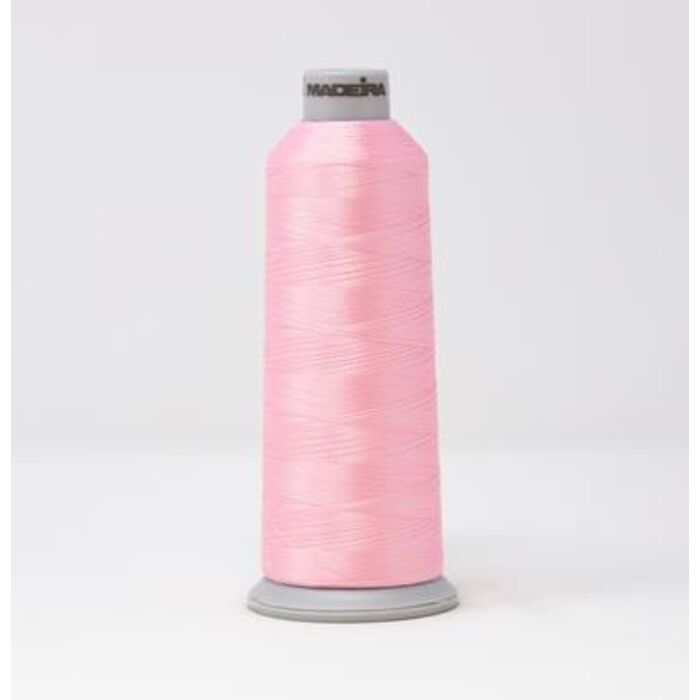
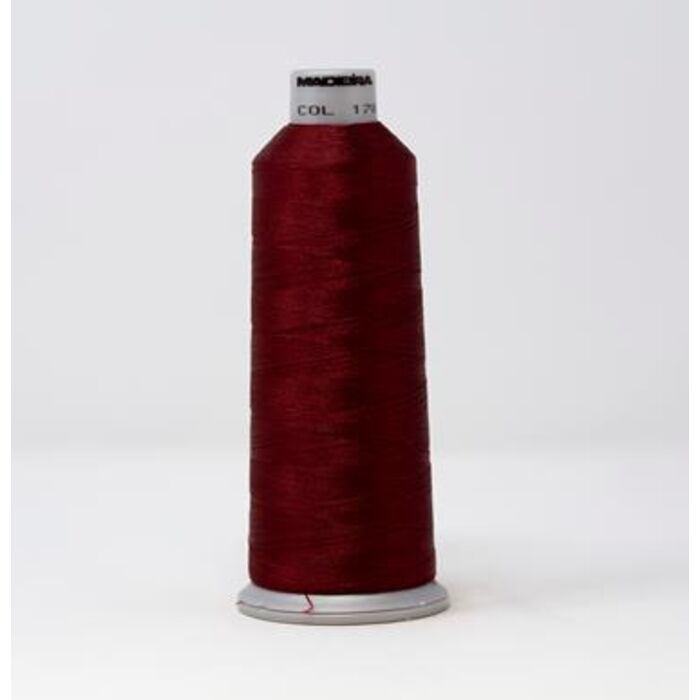
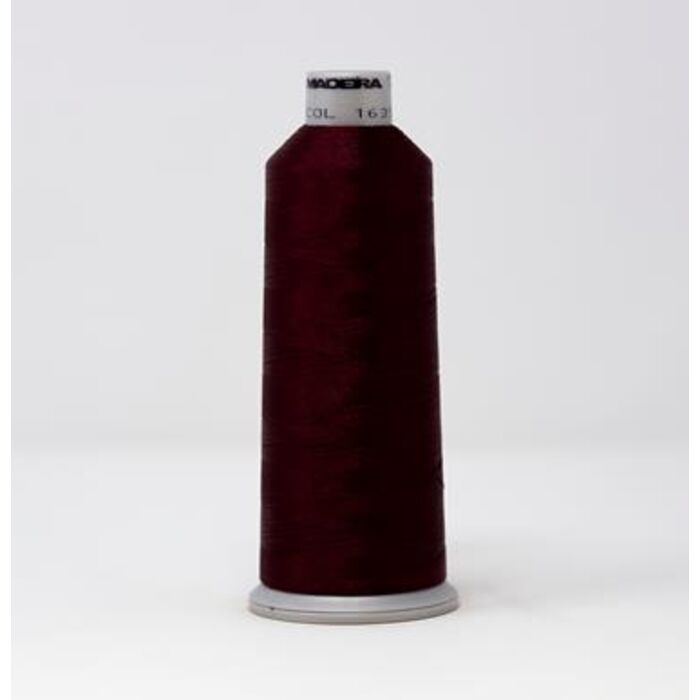
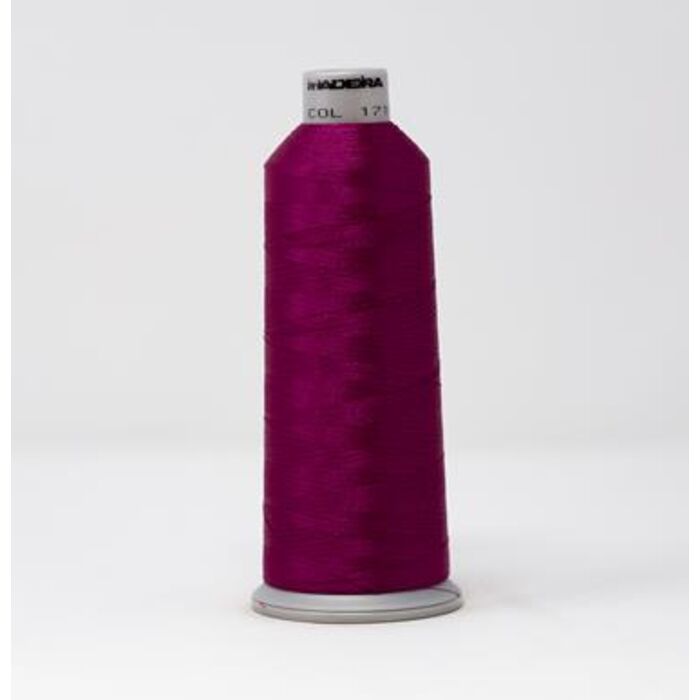
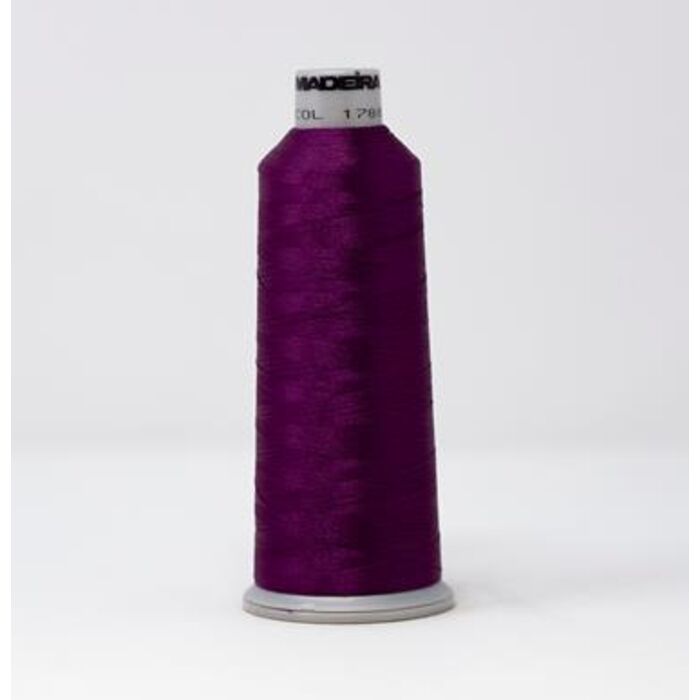
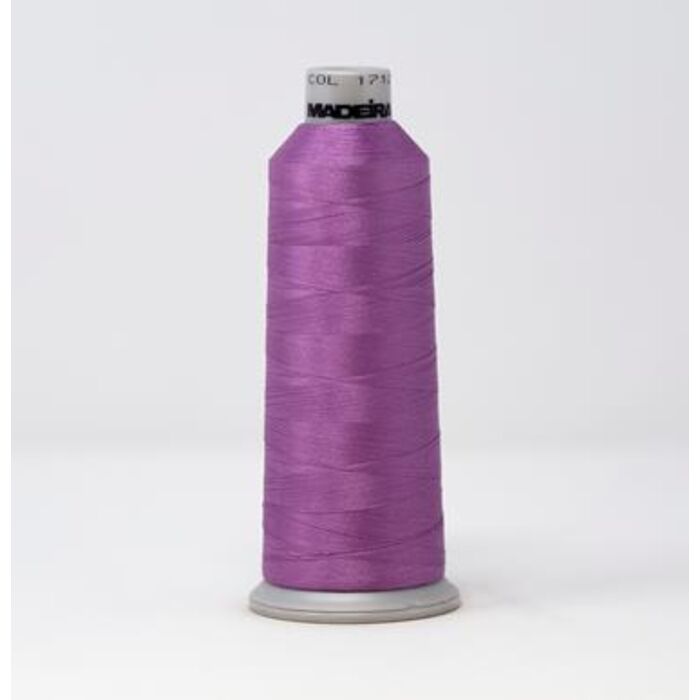
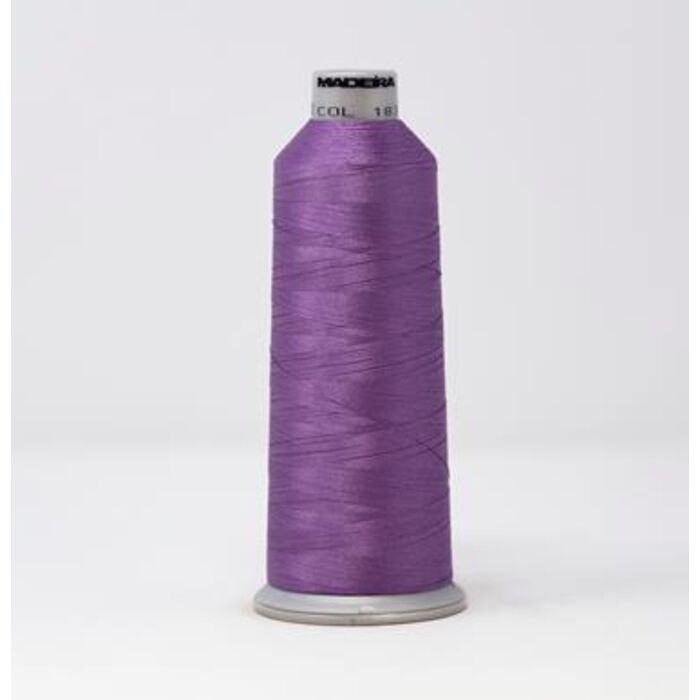
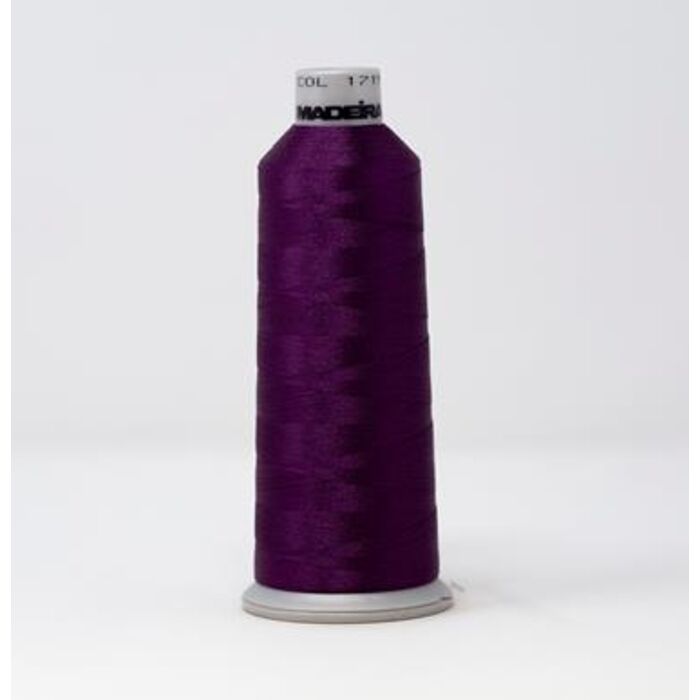
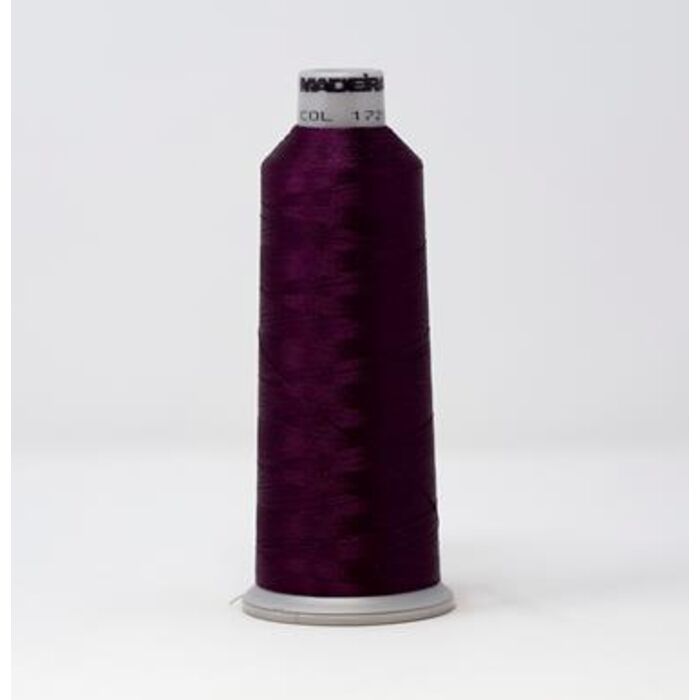
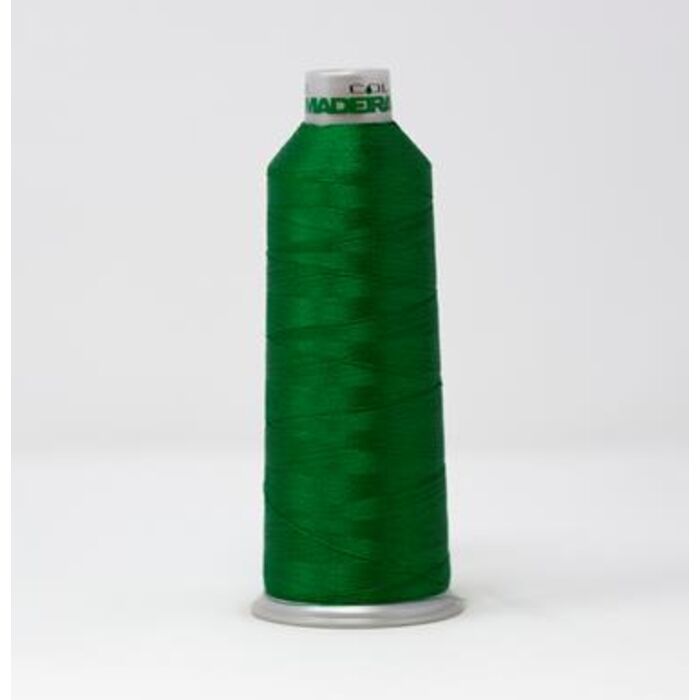
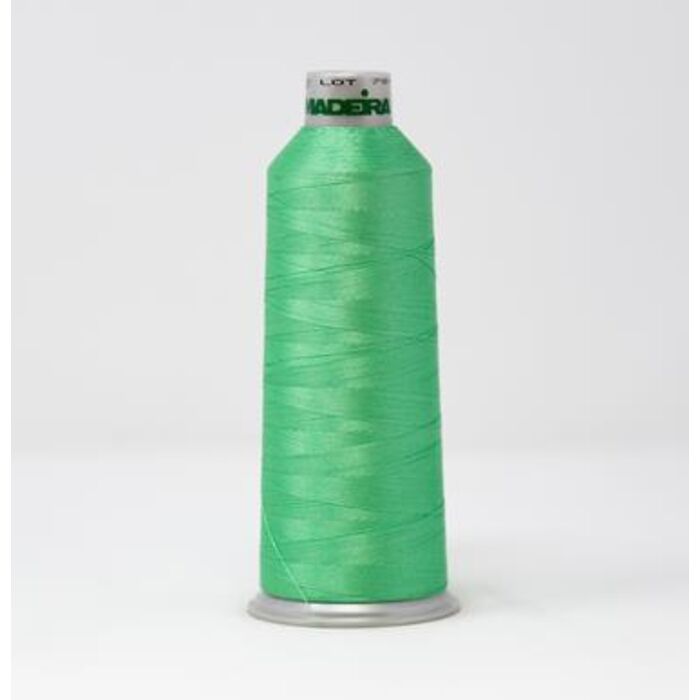
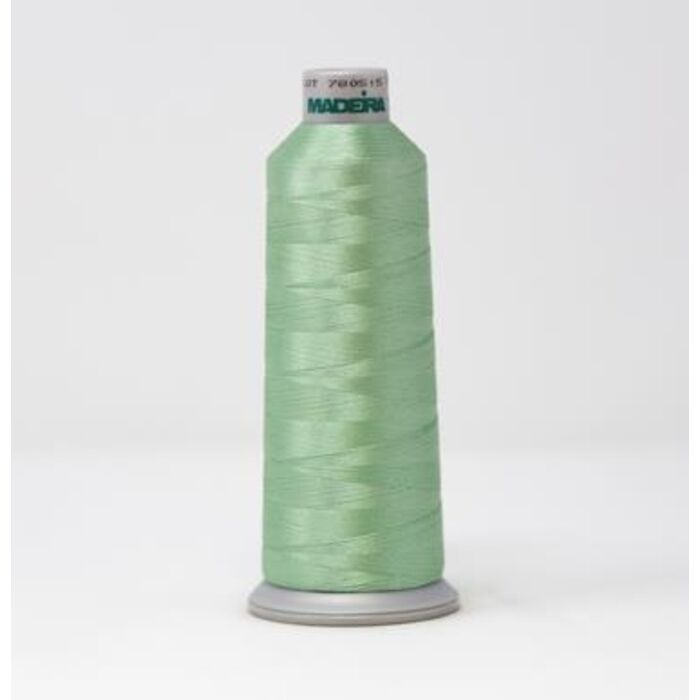
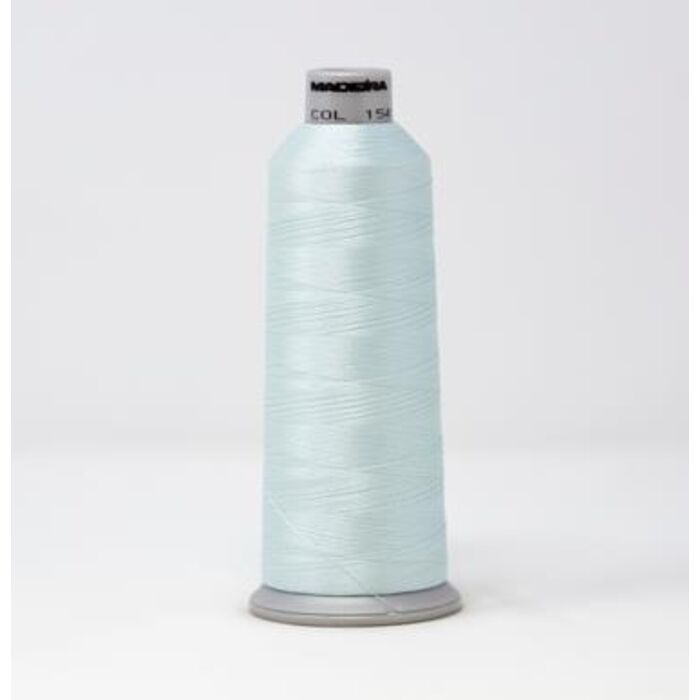
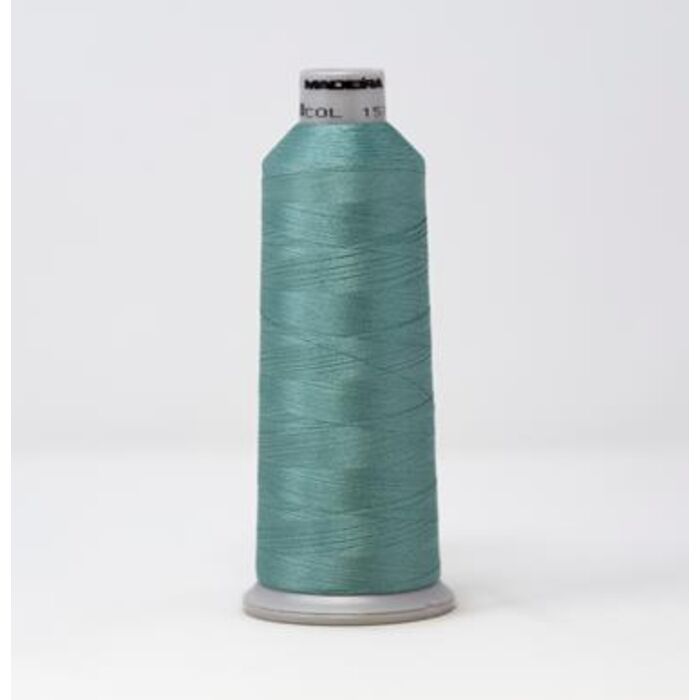
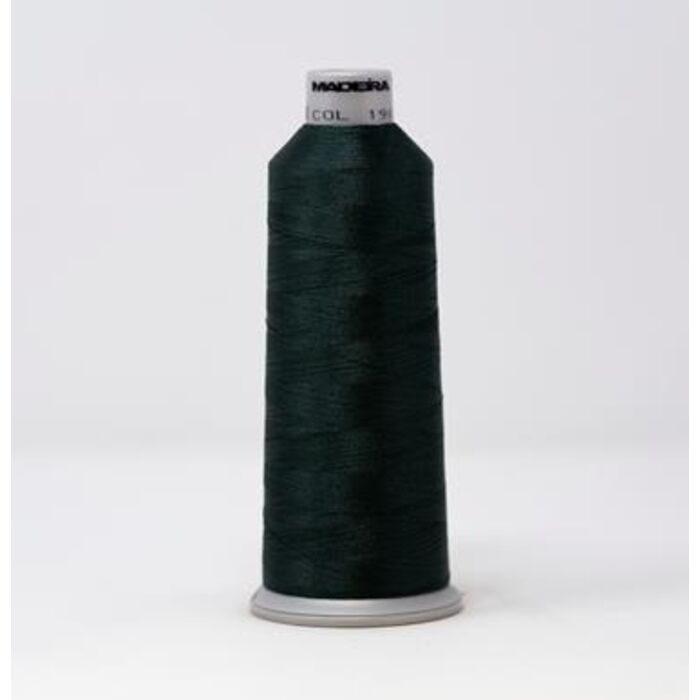
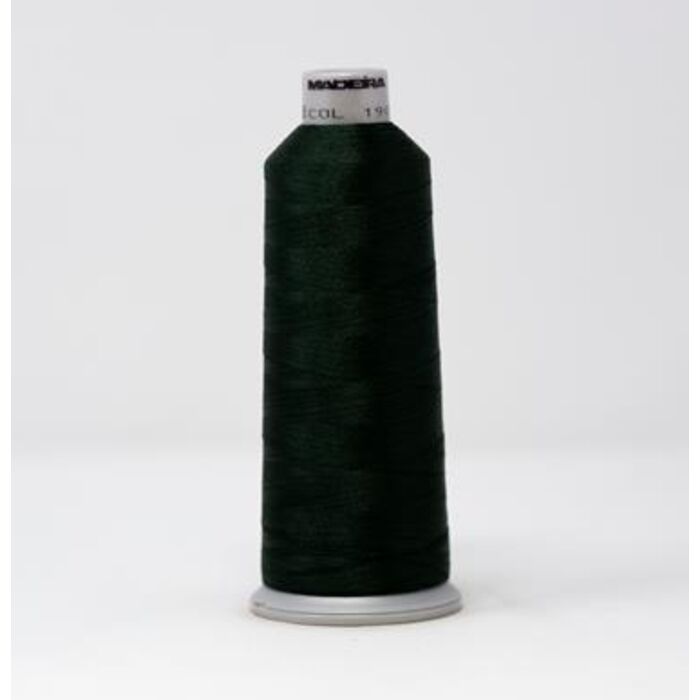
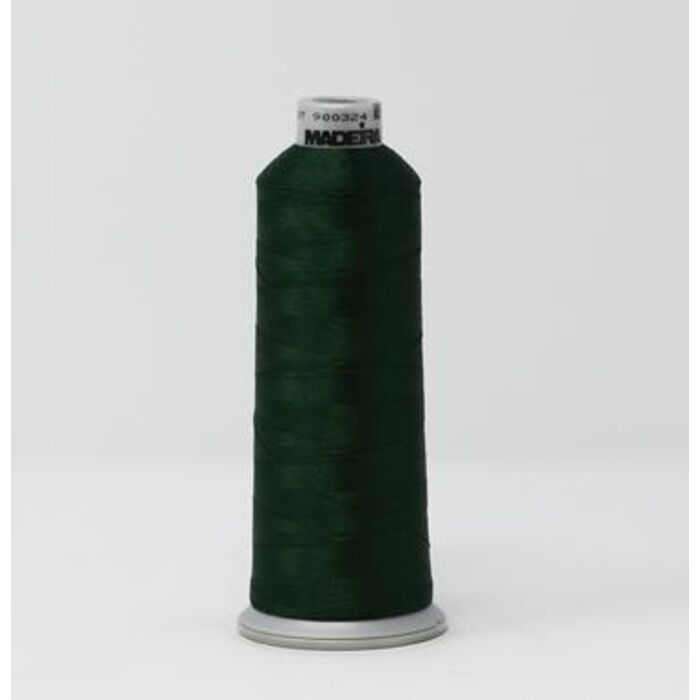
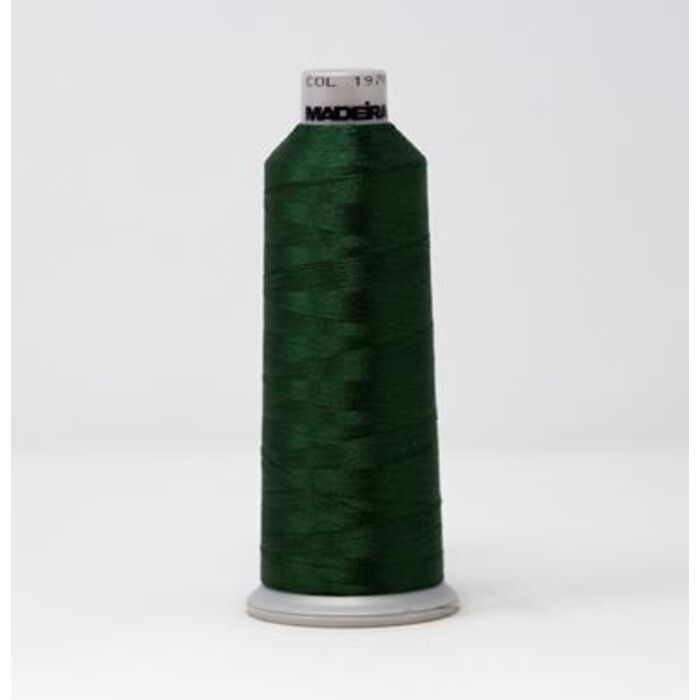
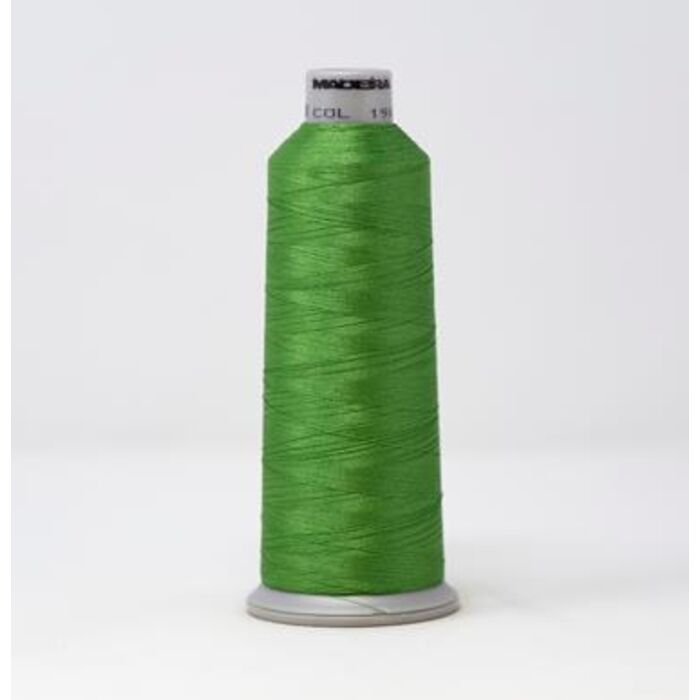
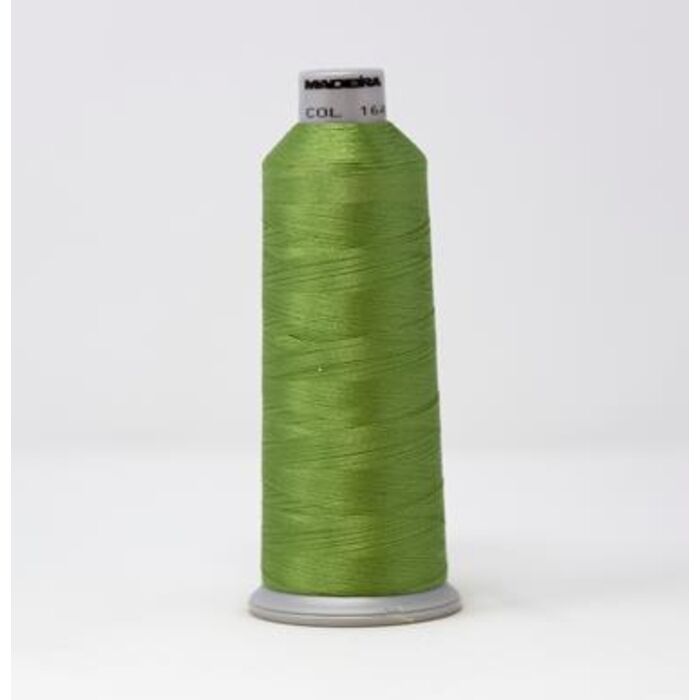
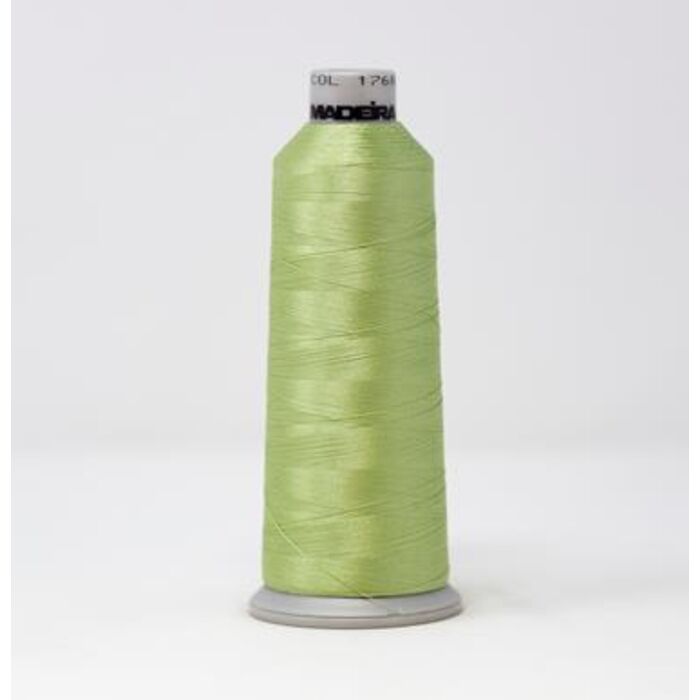
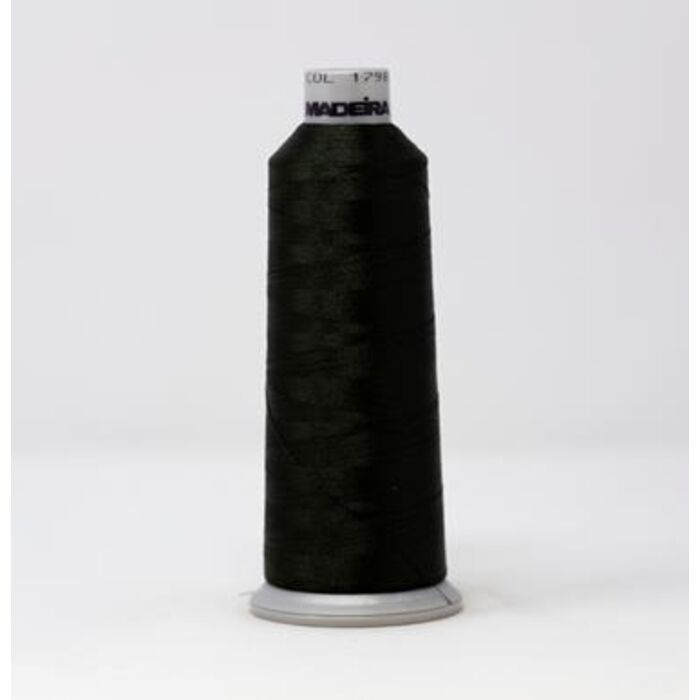
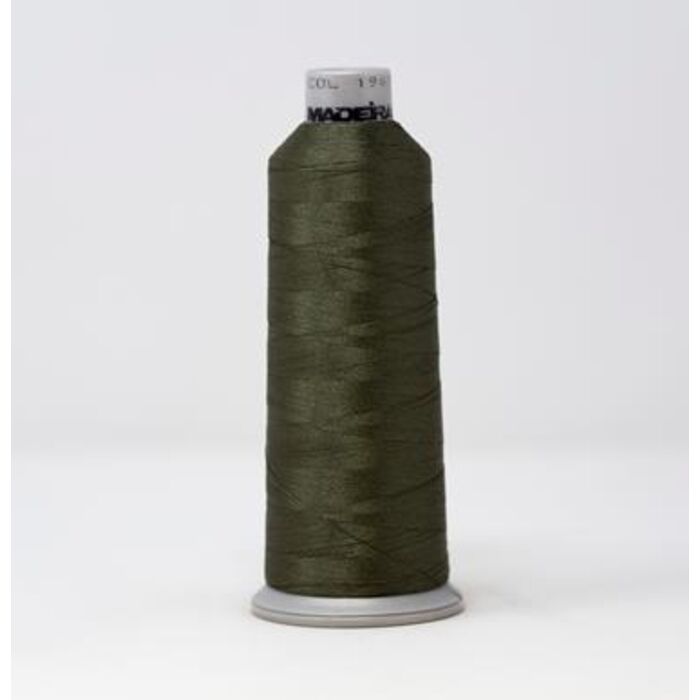
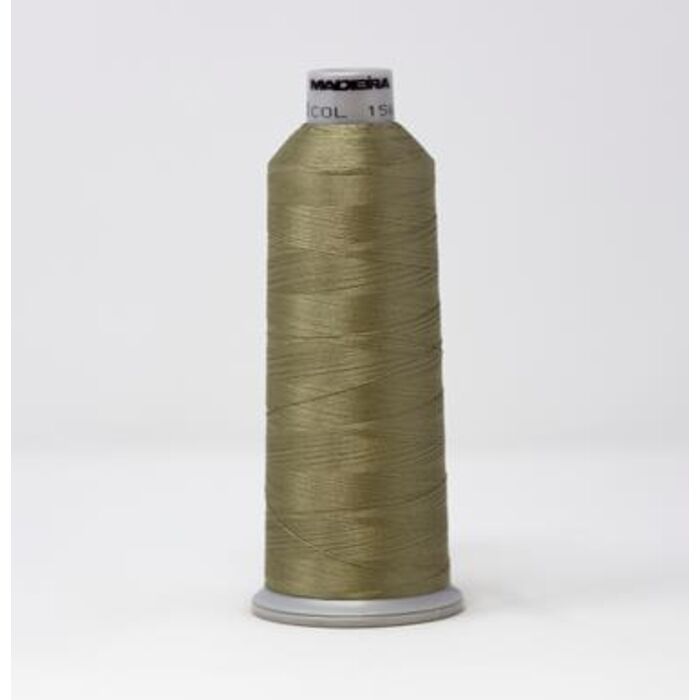
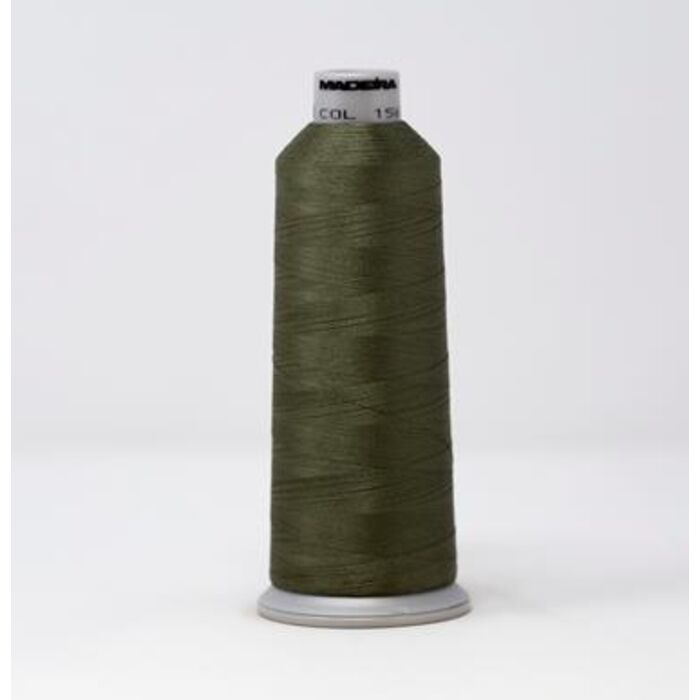
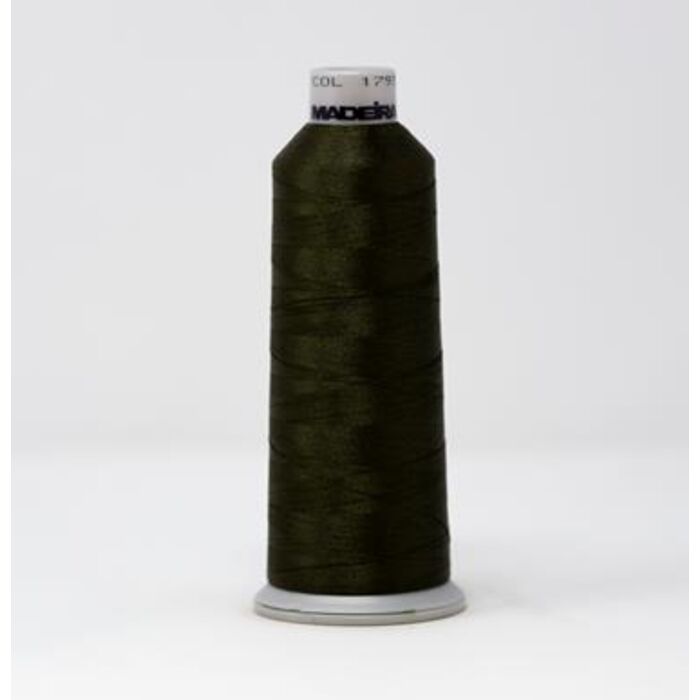
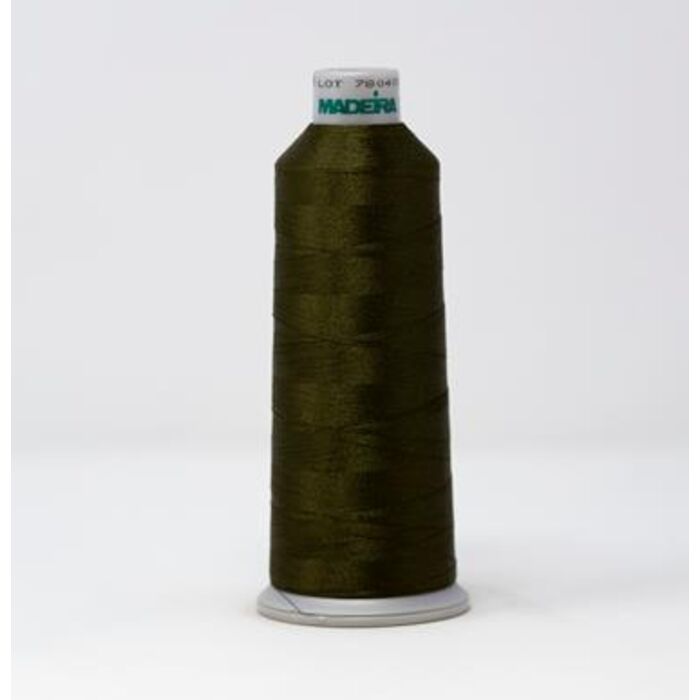
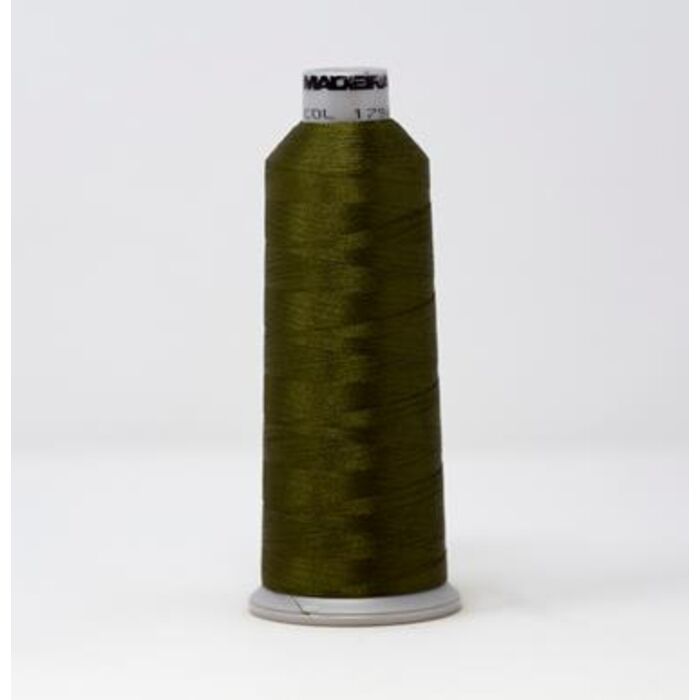
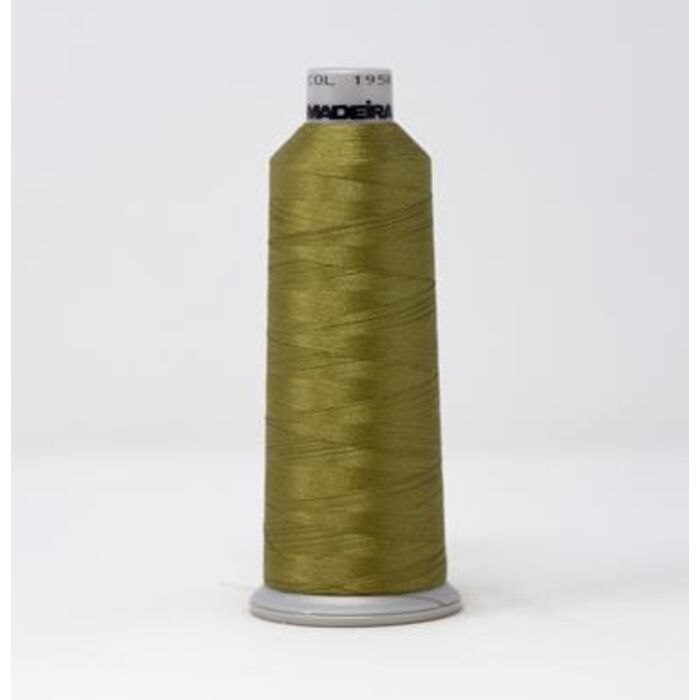
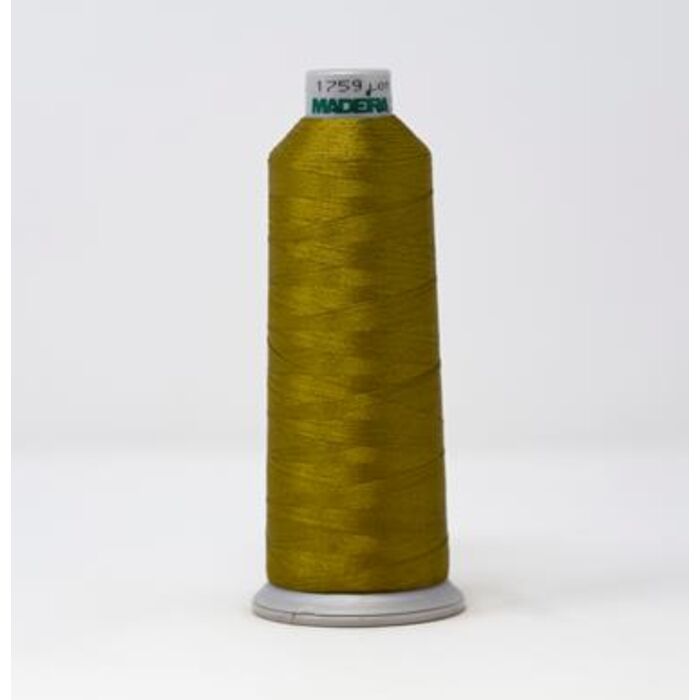
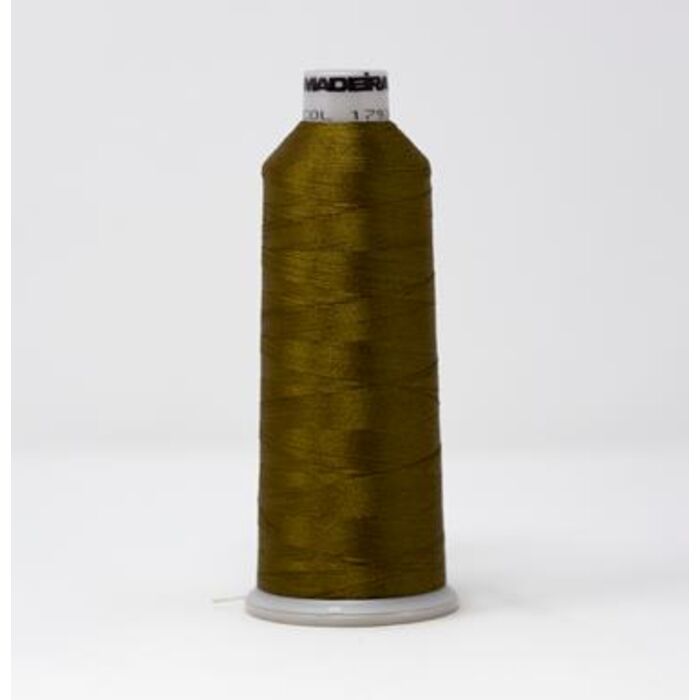
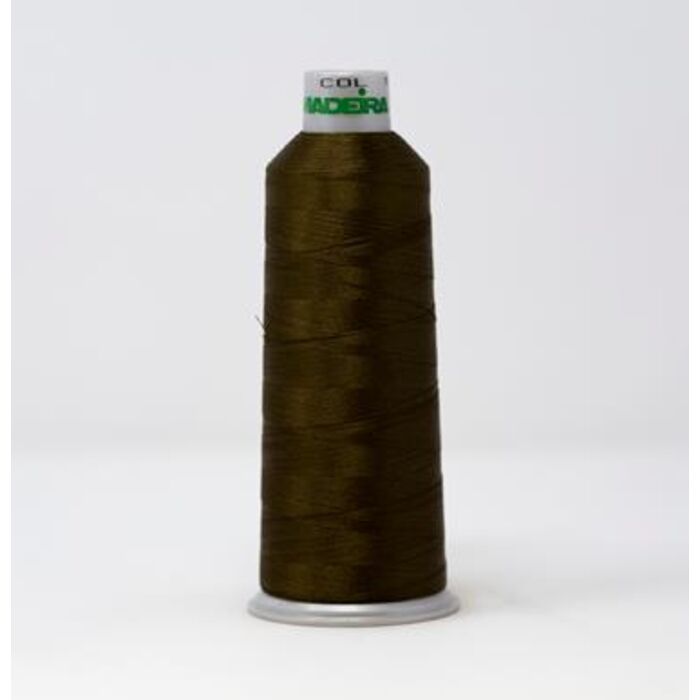
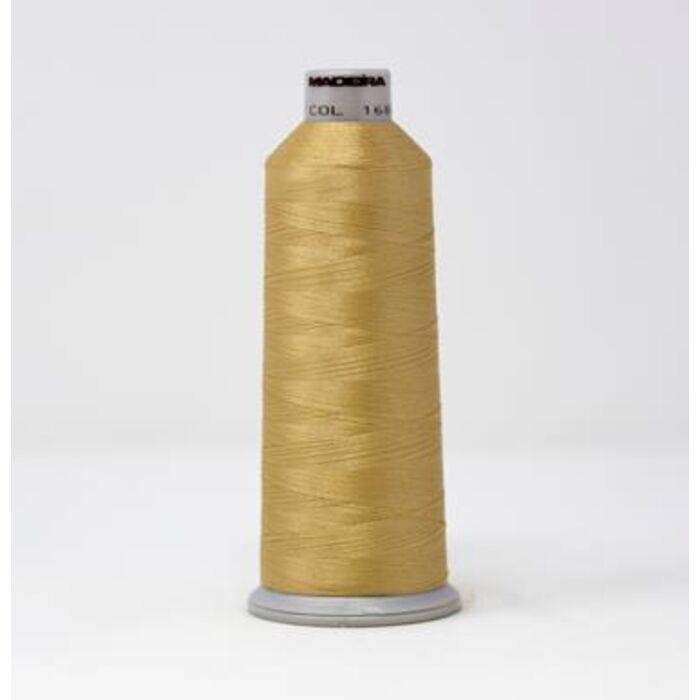
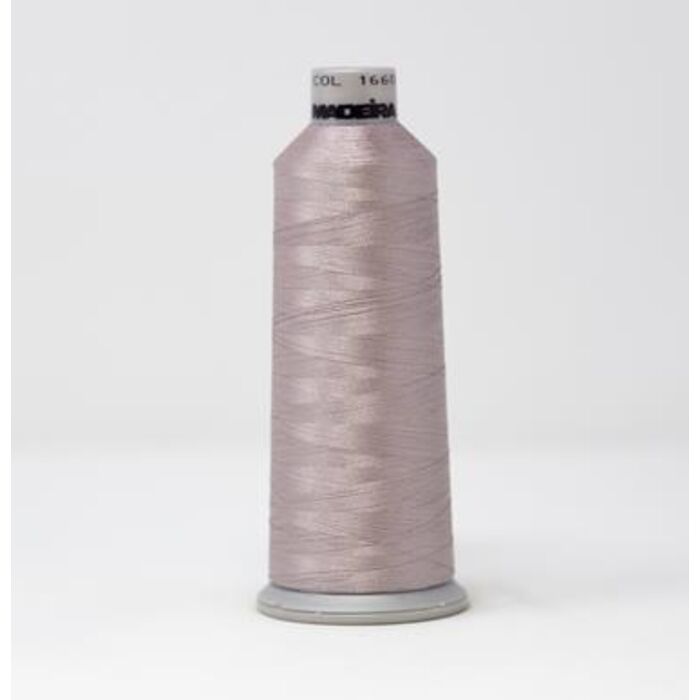
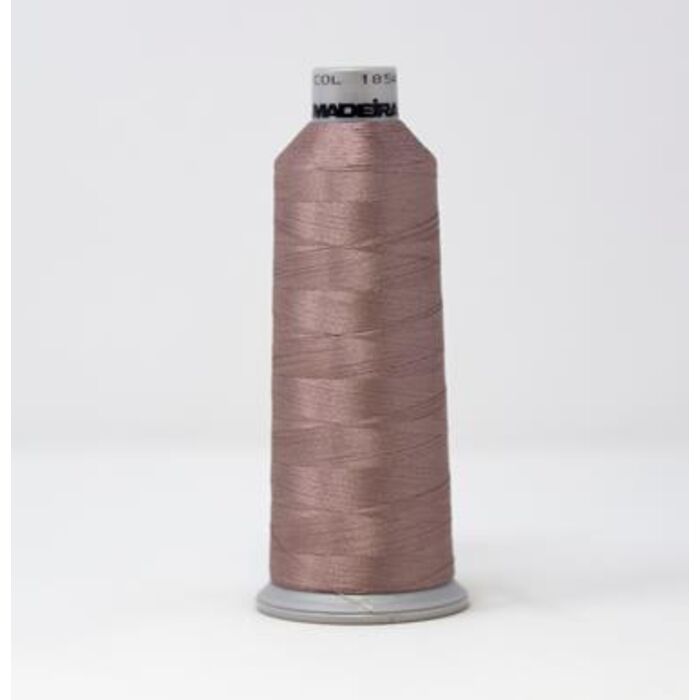
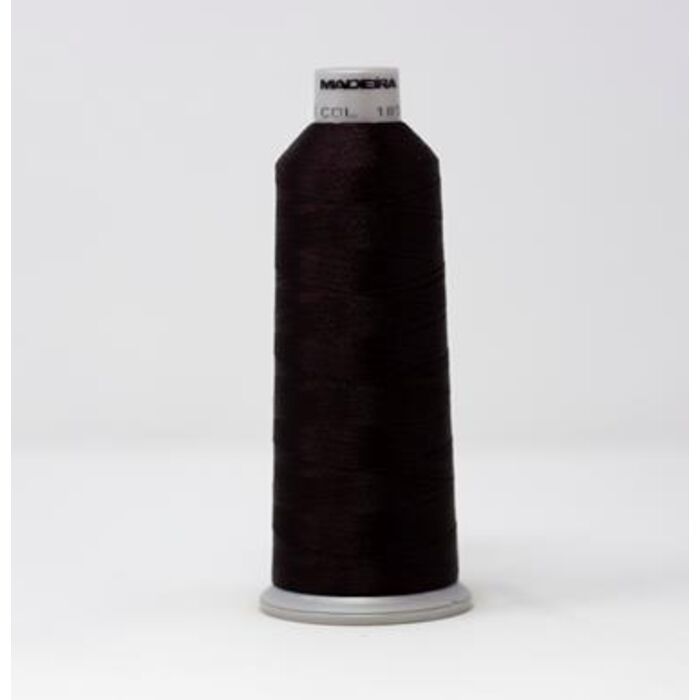
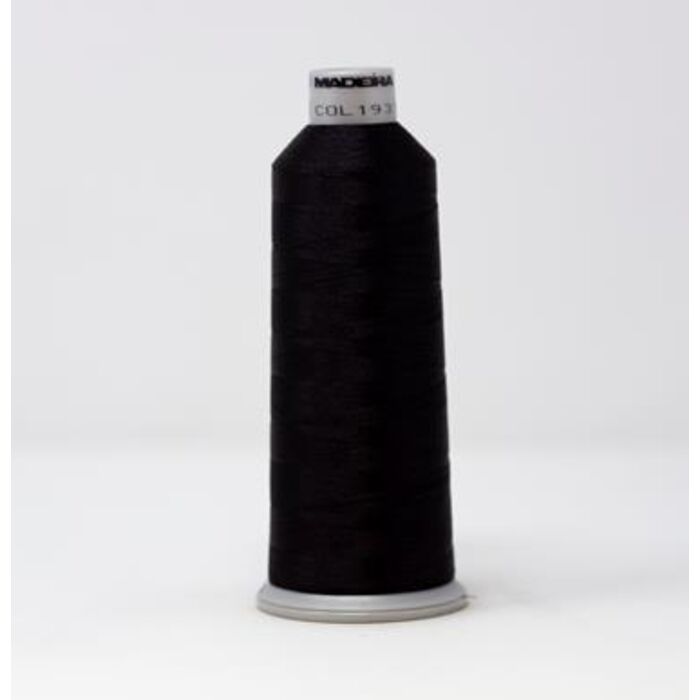
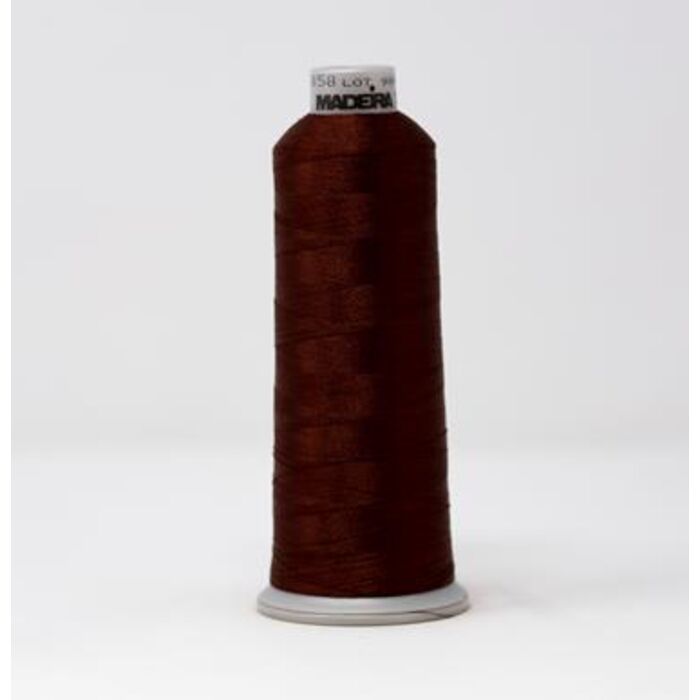
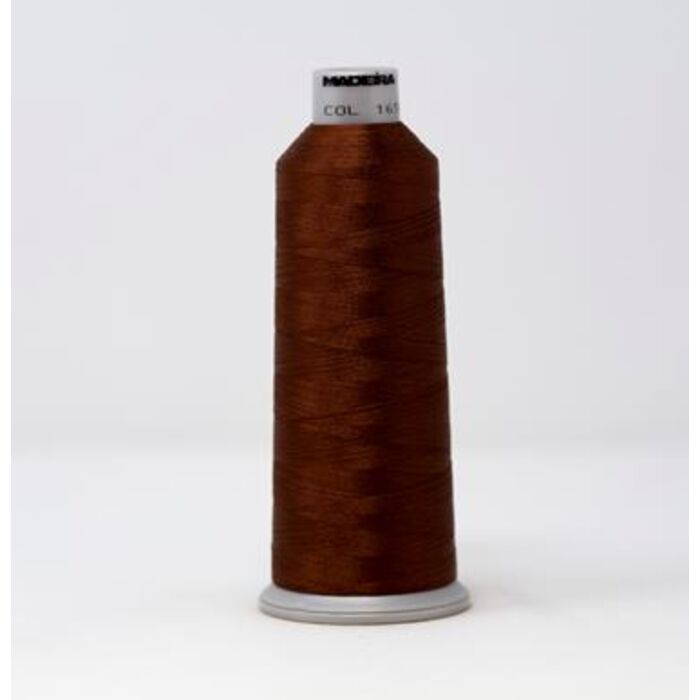
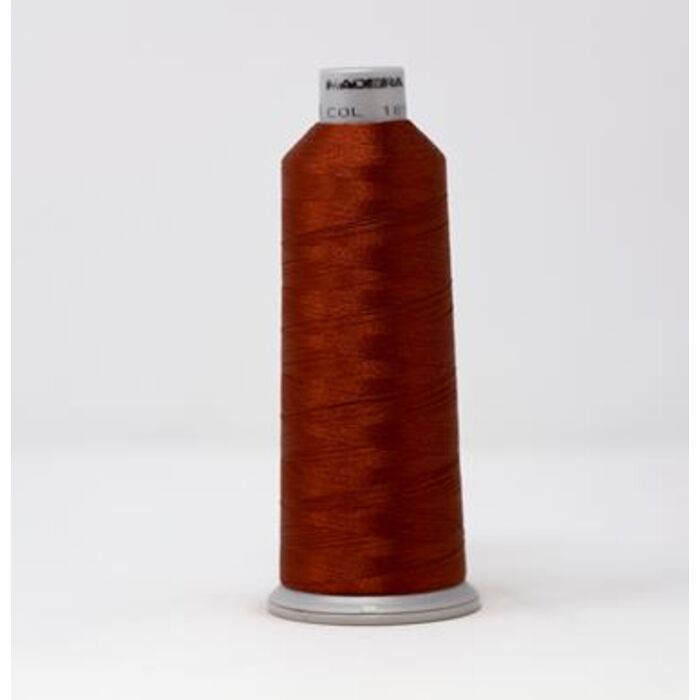
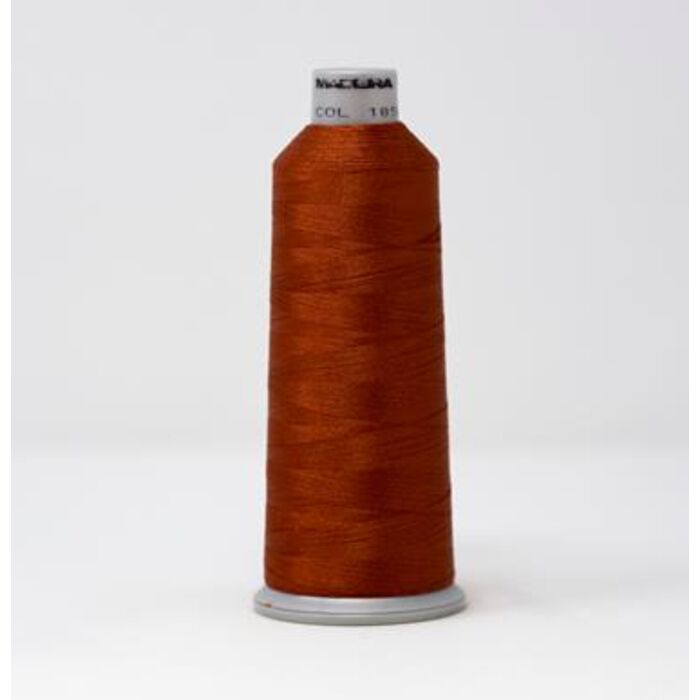
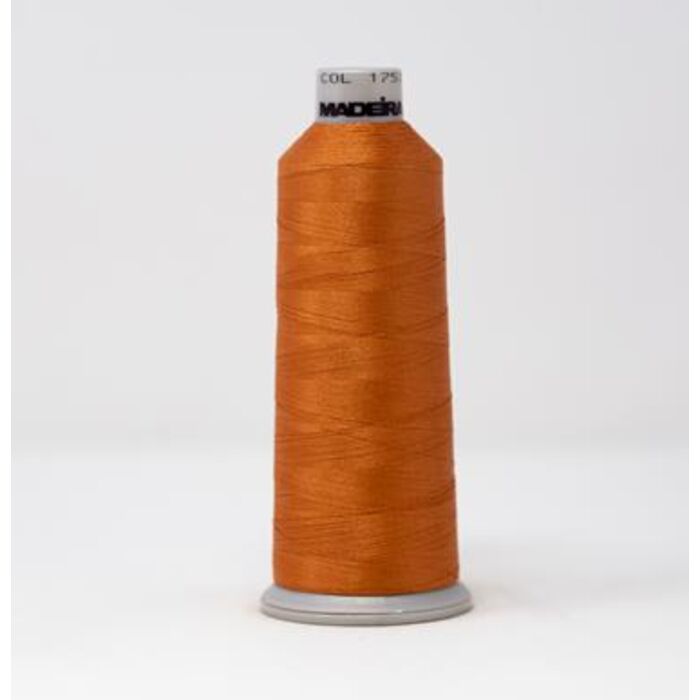
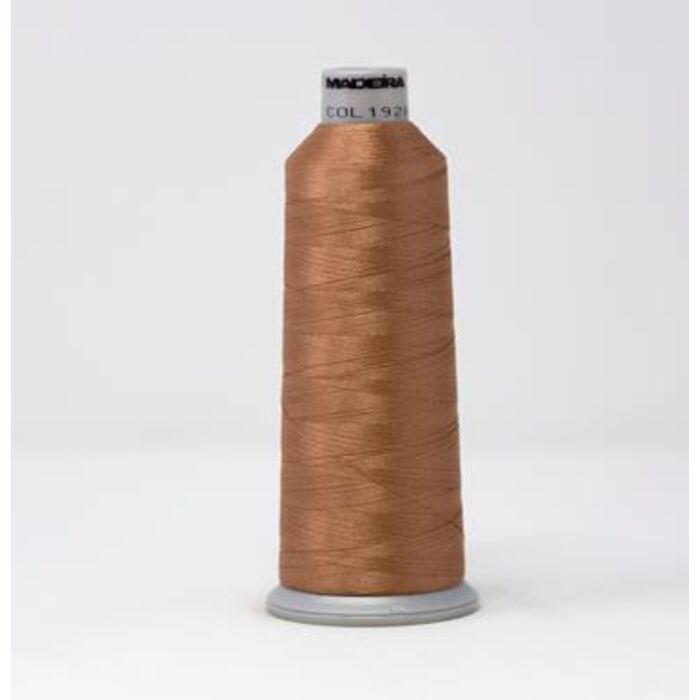
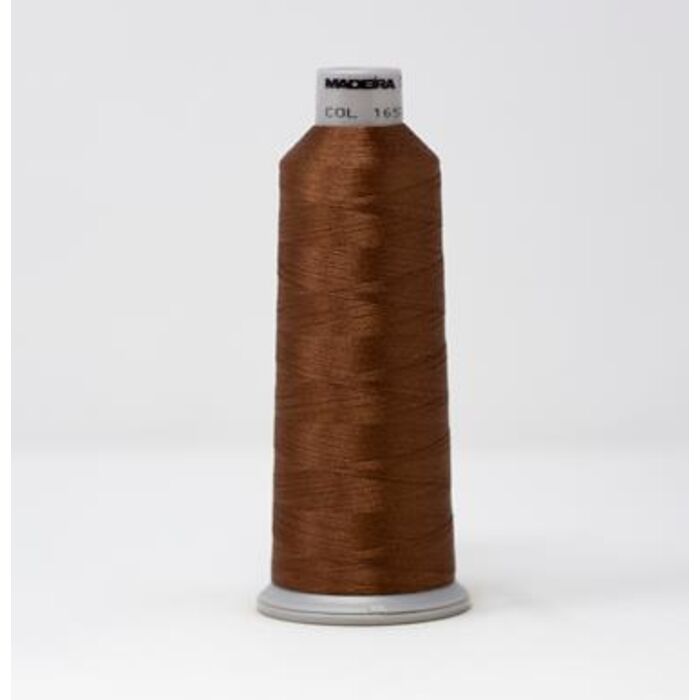
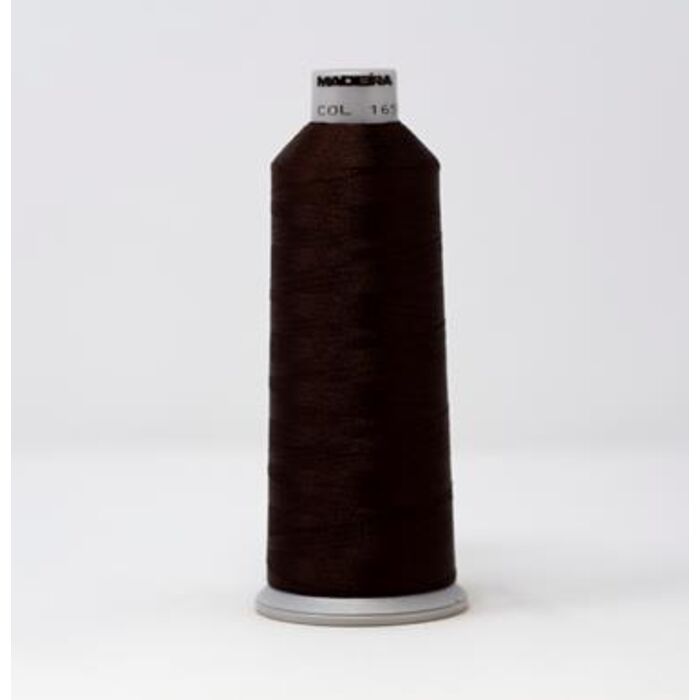
Isacord to Madeira Conversion Chart | Isacord Thread
Color Matching Reference for Embroidery Production
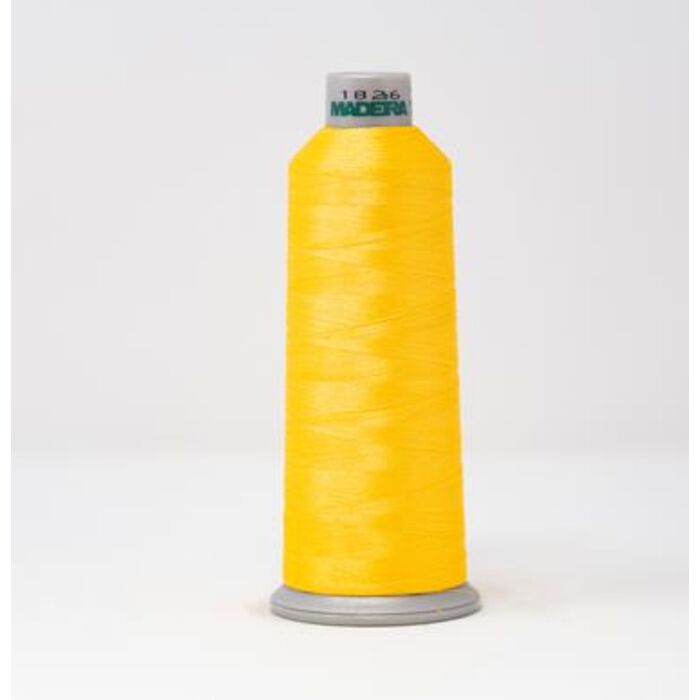
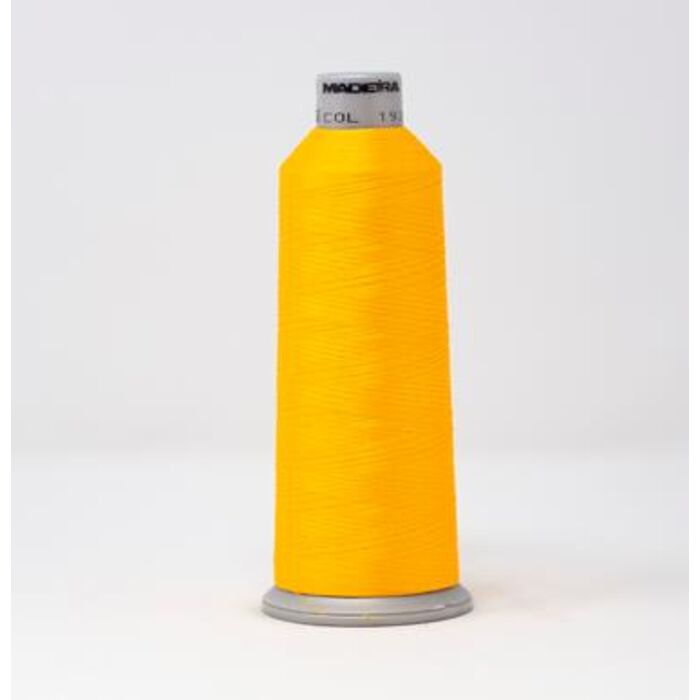
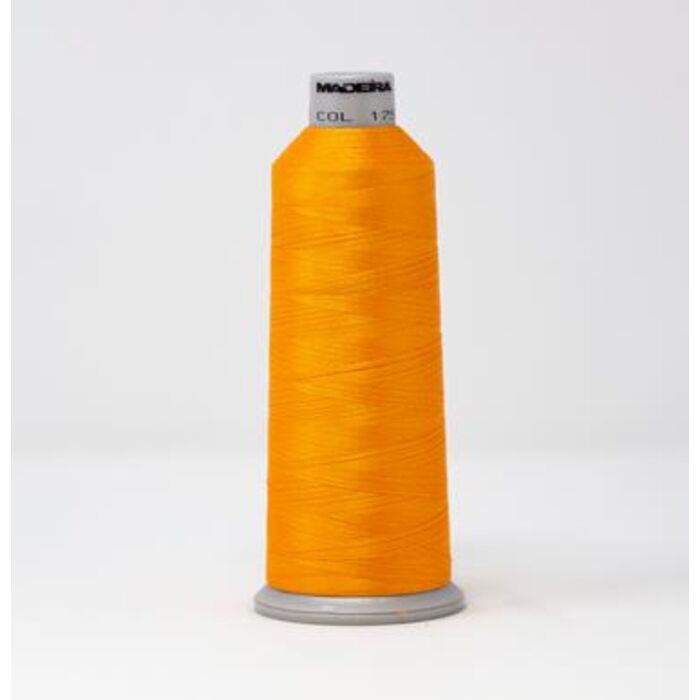
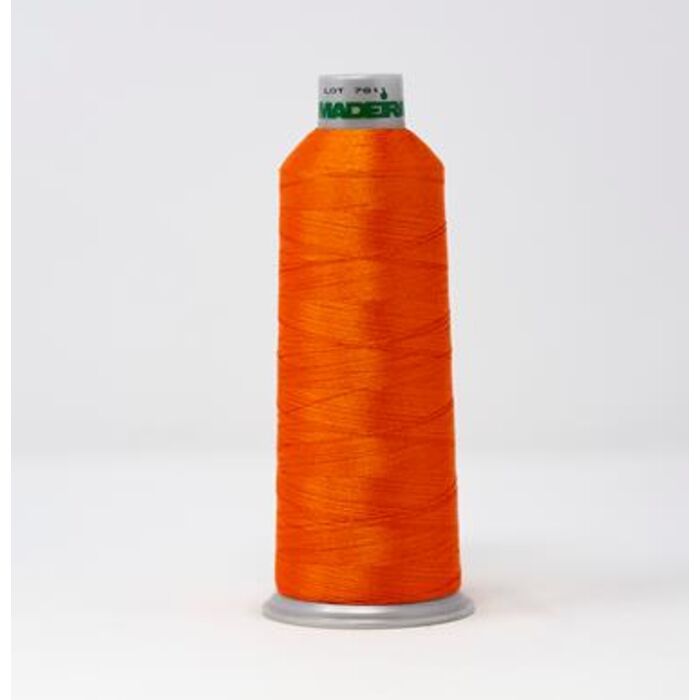
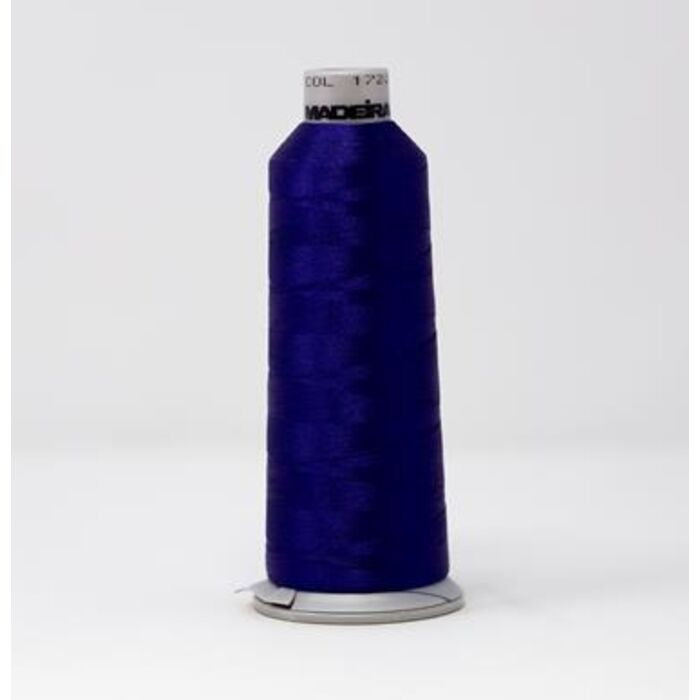
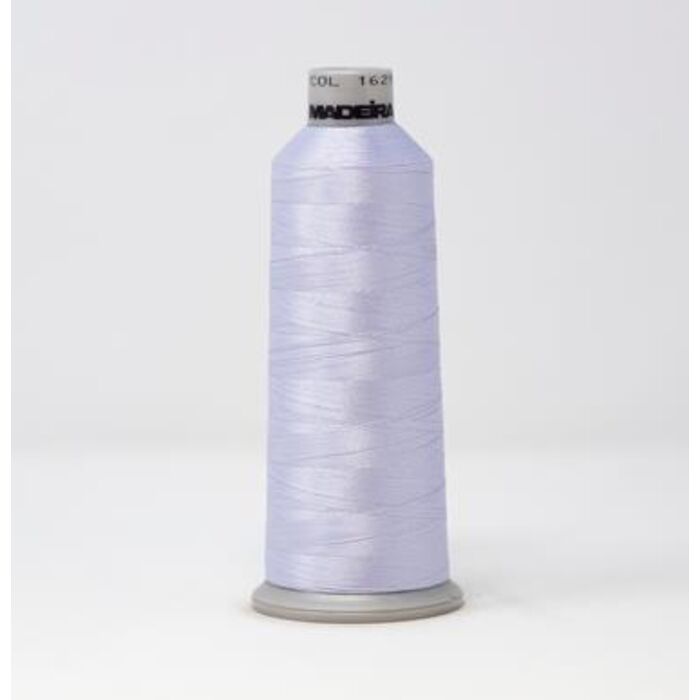
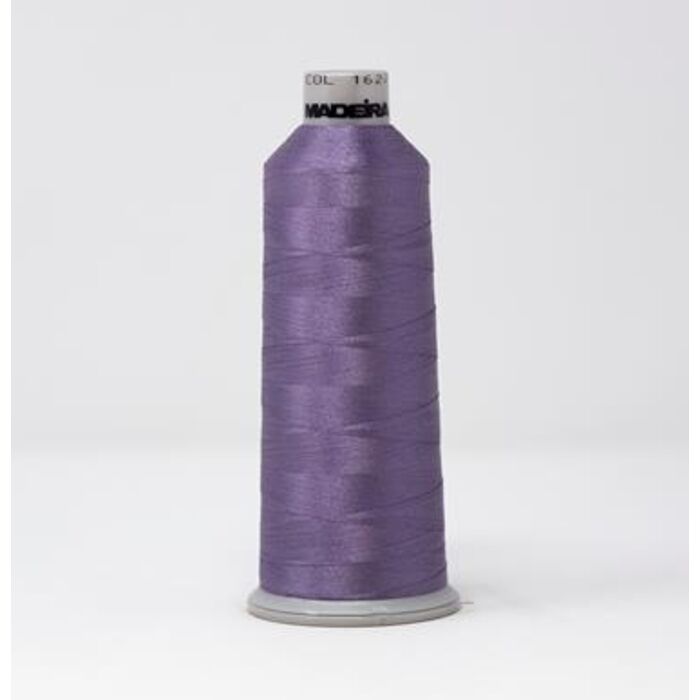
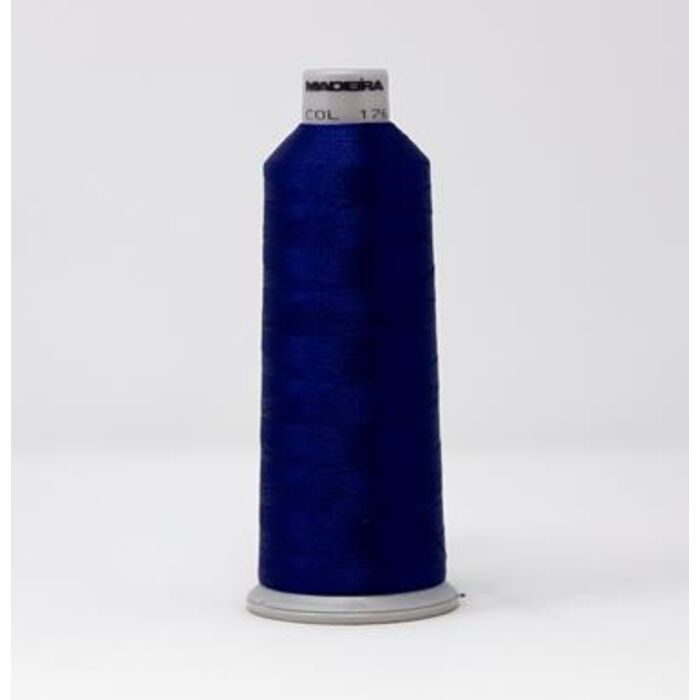
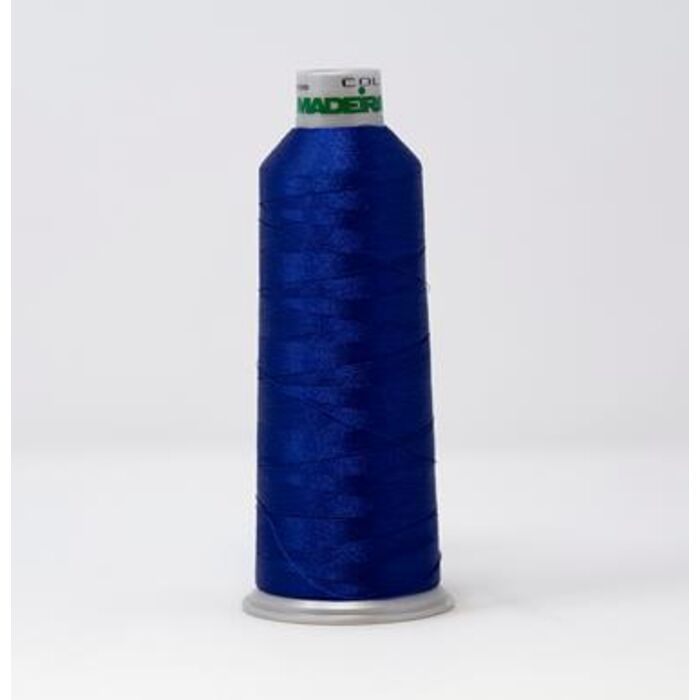
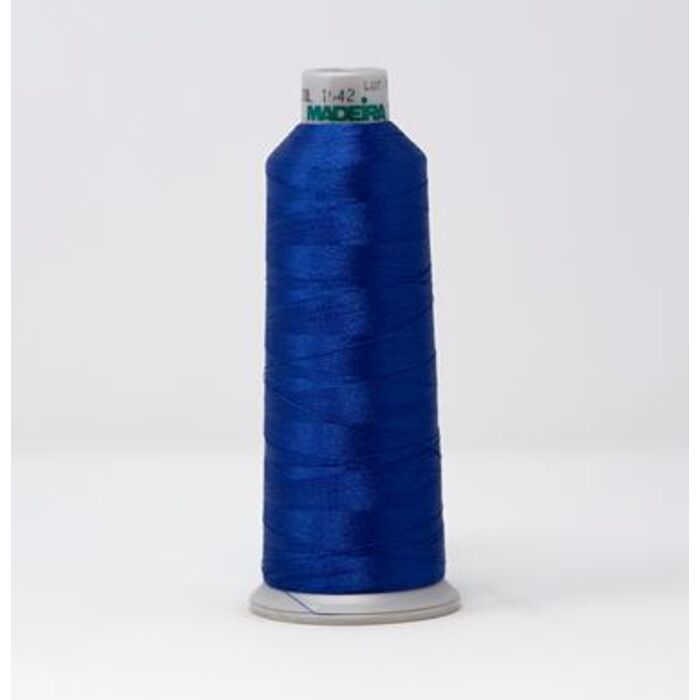
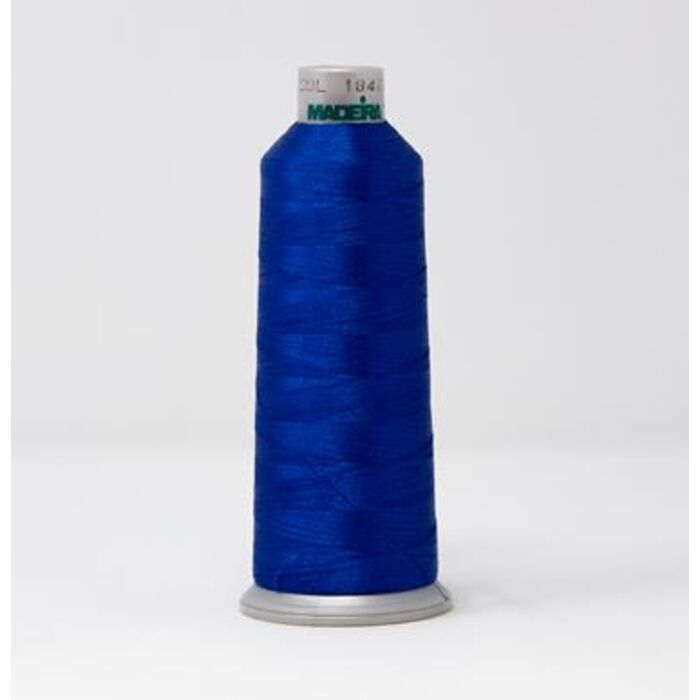
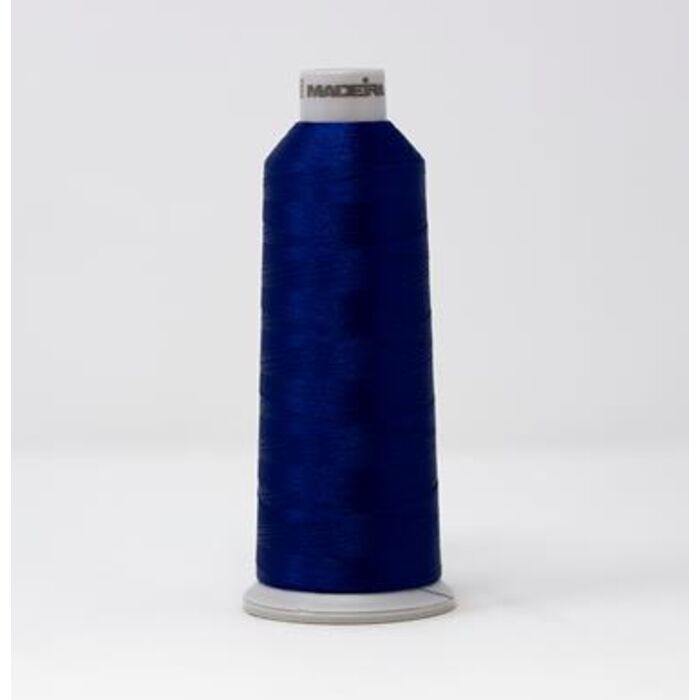
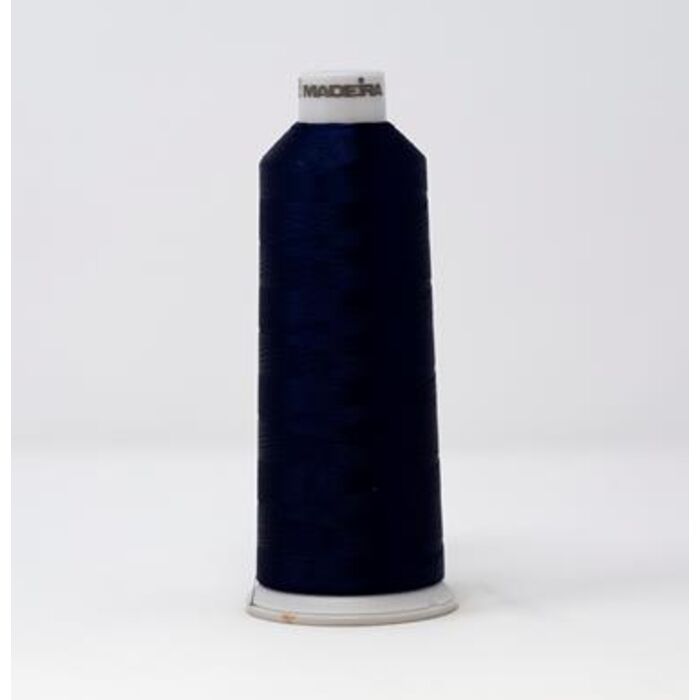
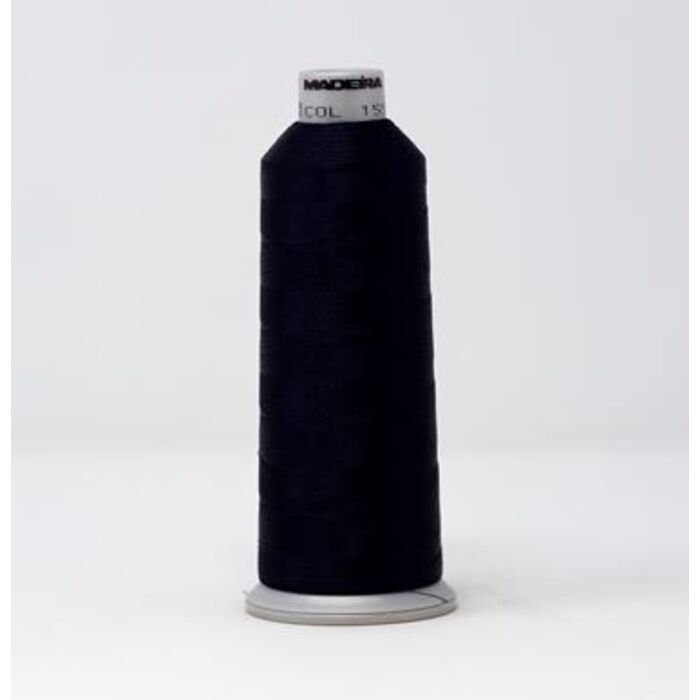
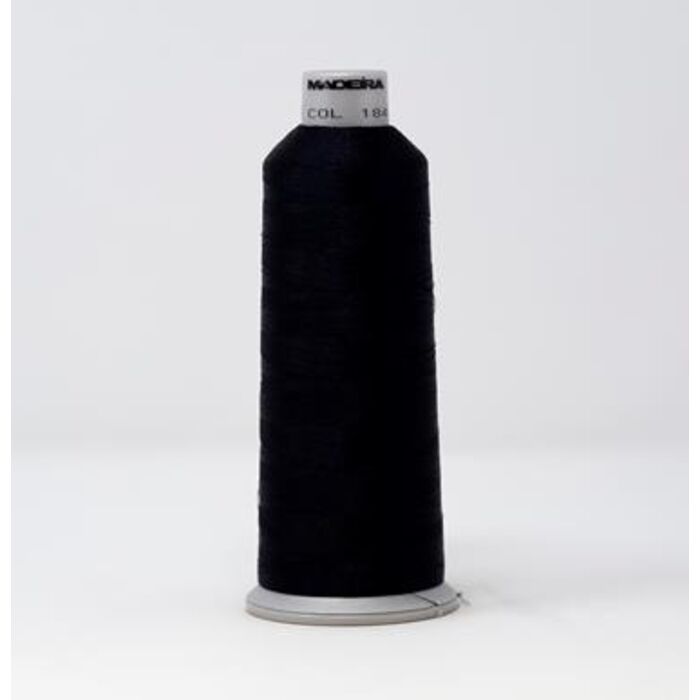
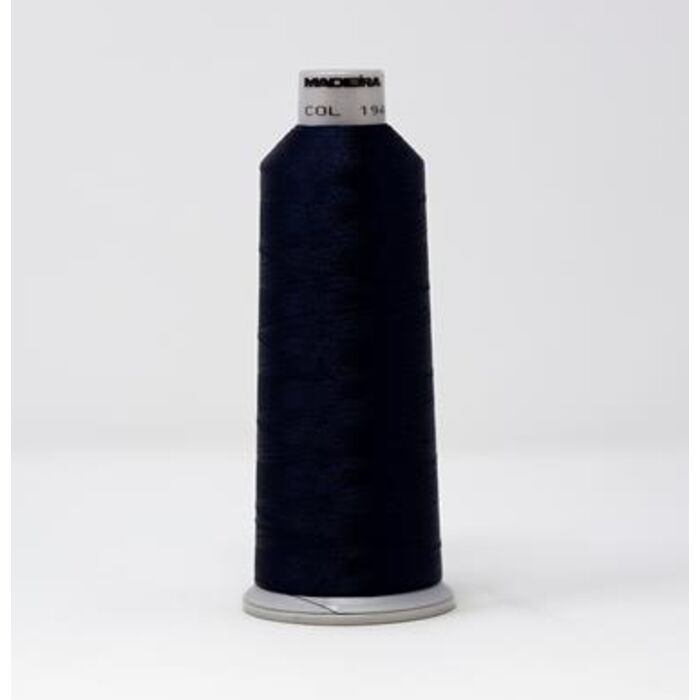
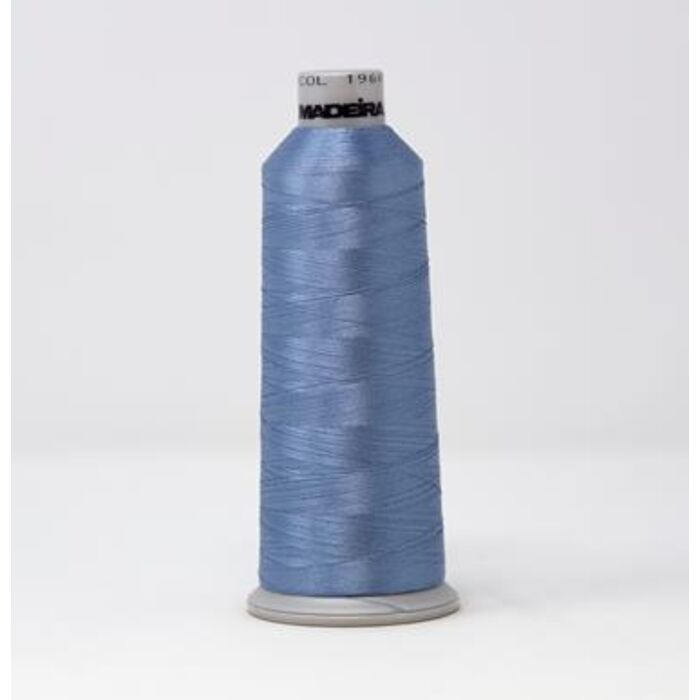
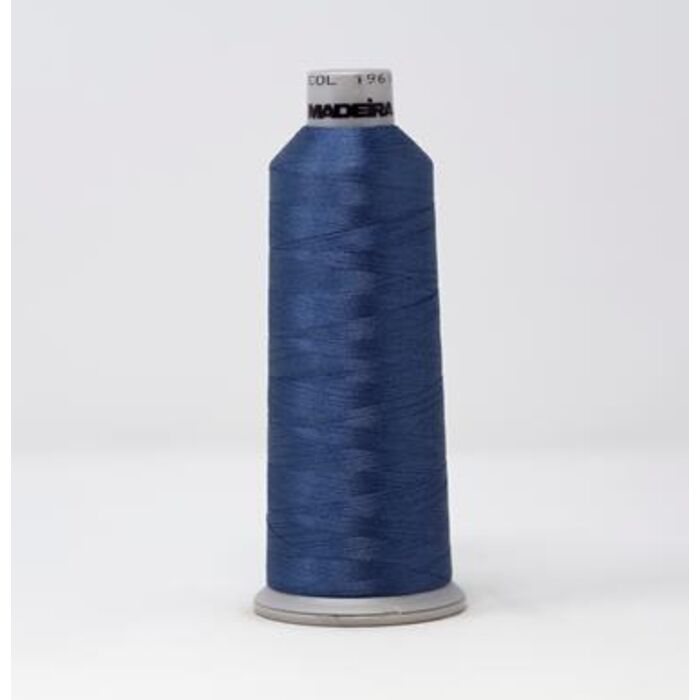
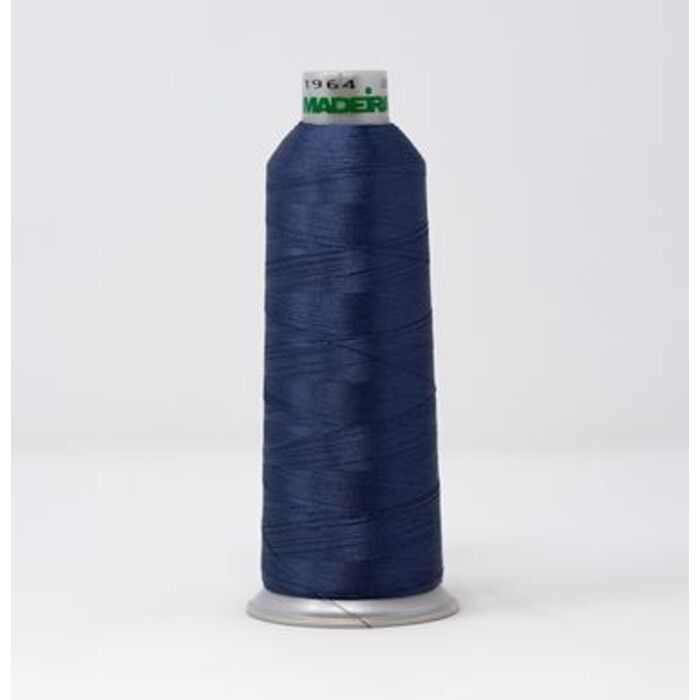
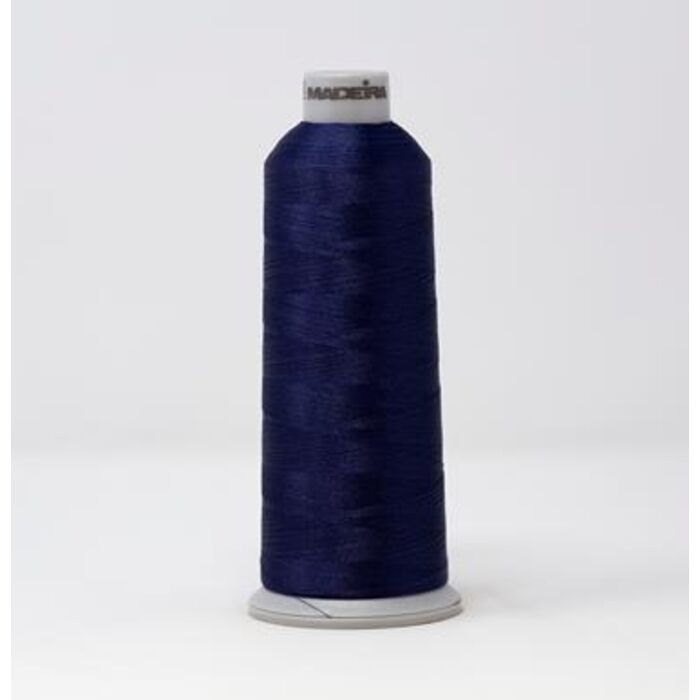
Professional embroidery shops frequently transition between Isacord polyester embroidery thread and the widely used Madeira Classic and Madeira Polyneon systems. This spoke page connects decorators to dependable color matching data that can preserve continuity between machines, operators, and brand specifications. As part of our embroidery hub, this page supports workflows involving embroidery supplies, backing and stabilizers, needles, and thread categories.
Using an Isacord to Madeira Conversion Chart
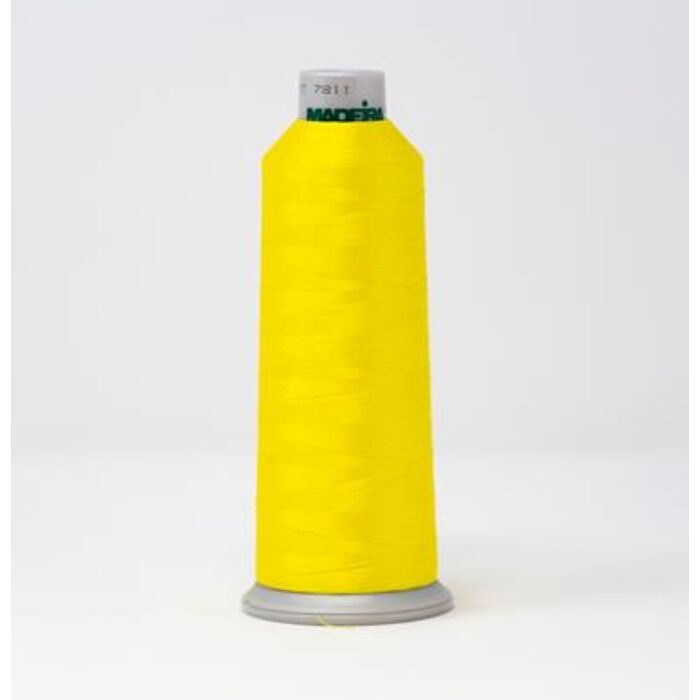
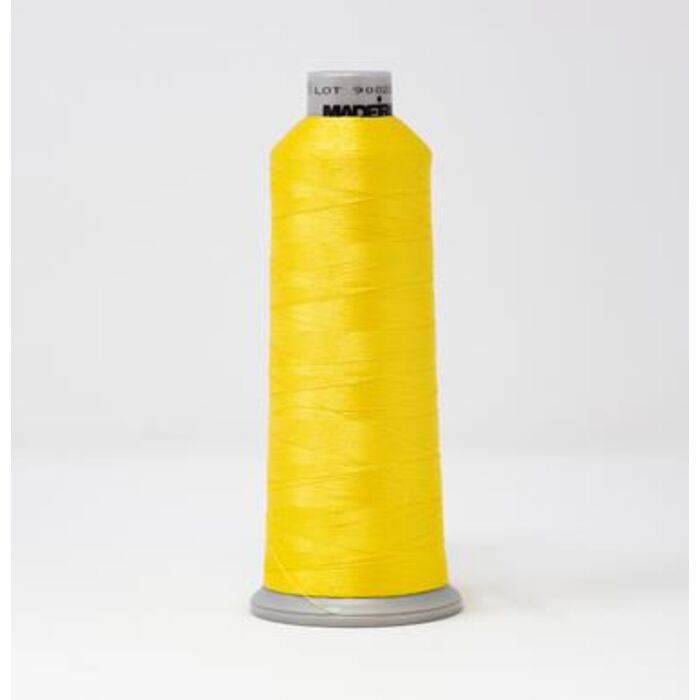
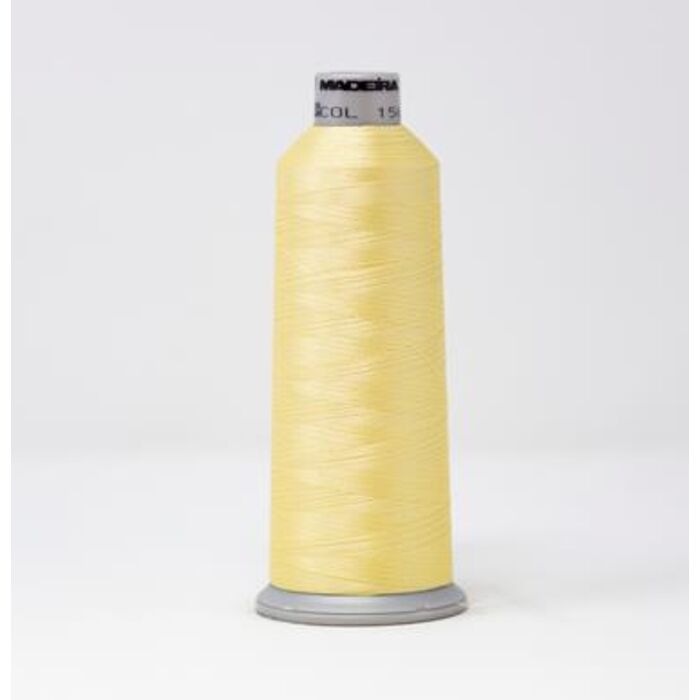
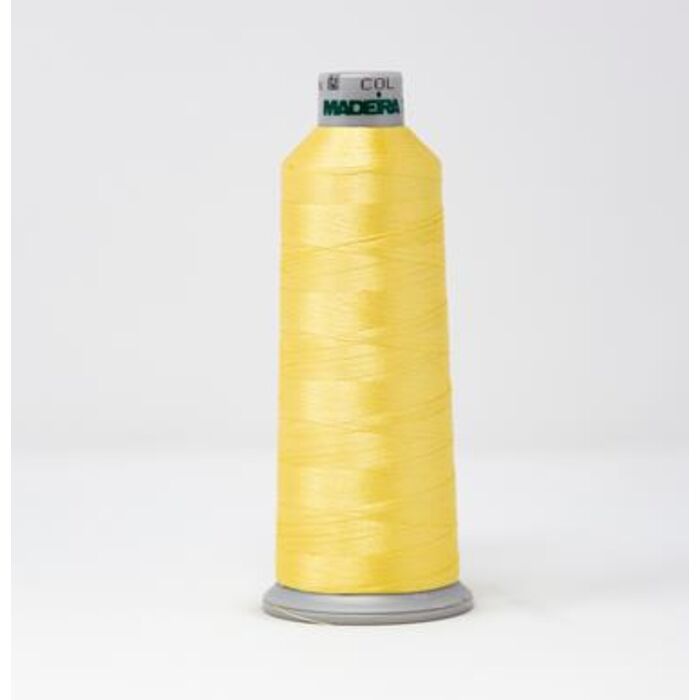
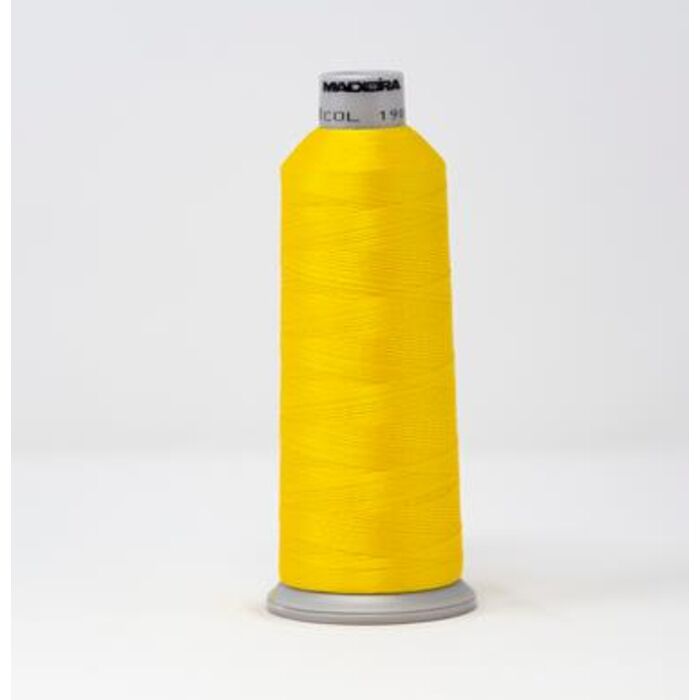
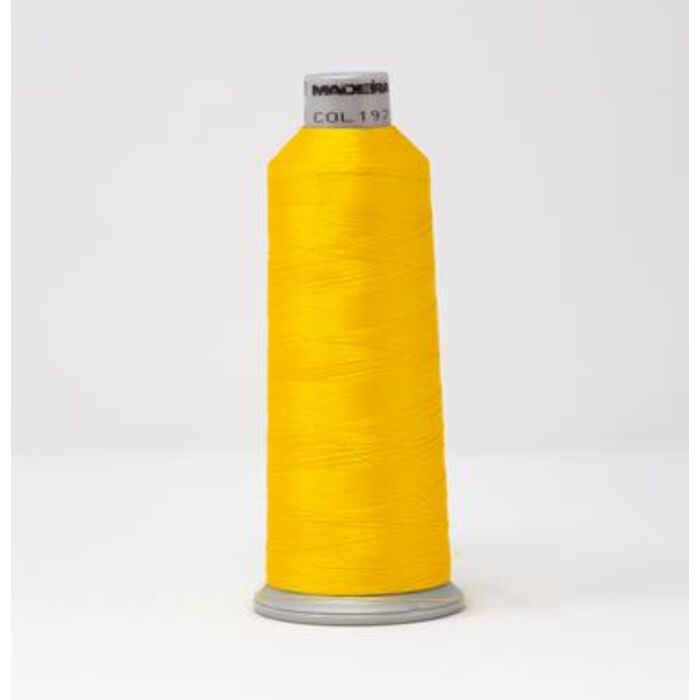
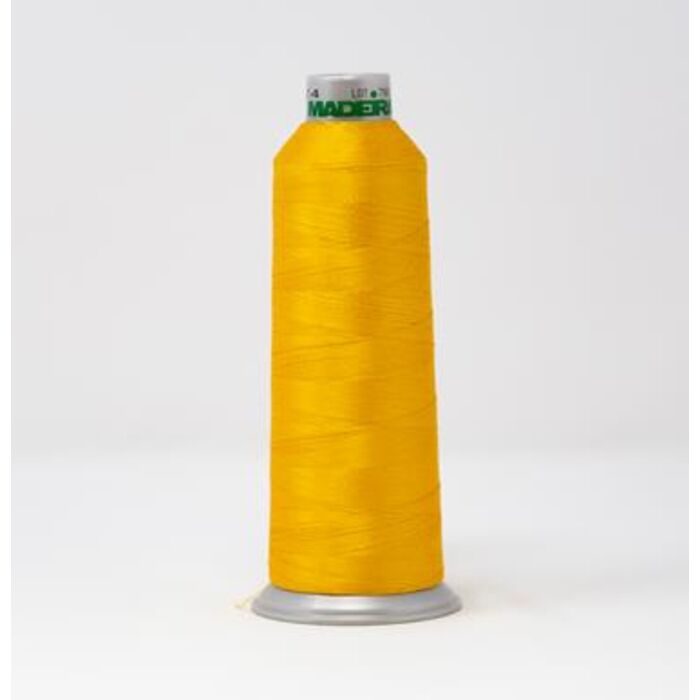
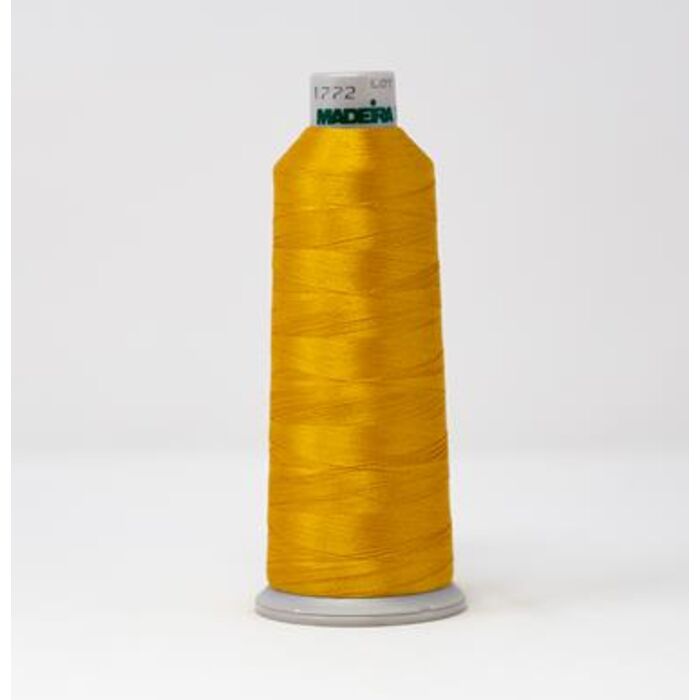
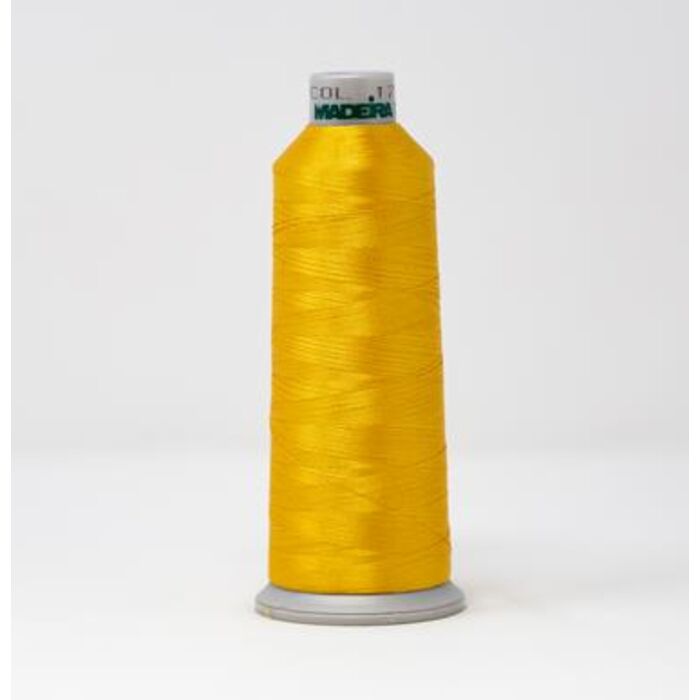
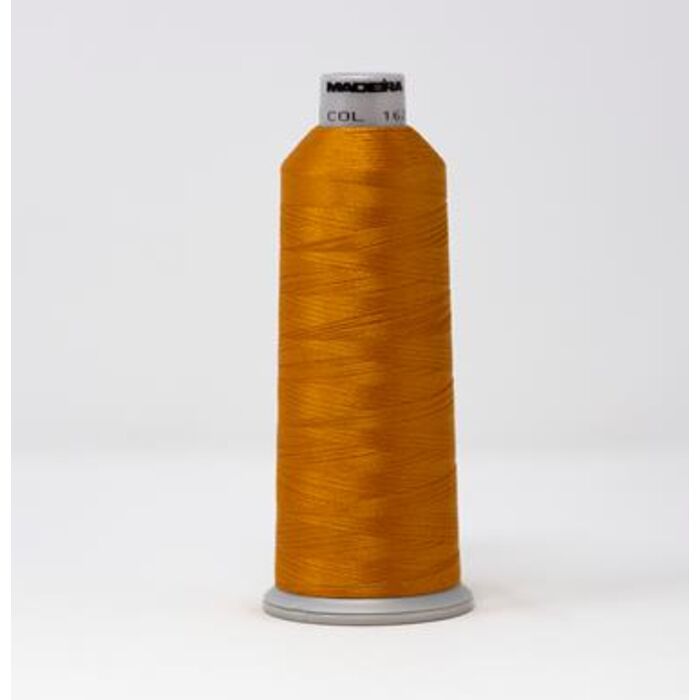
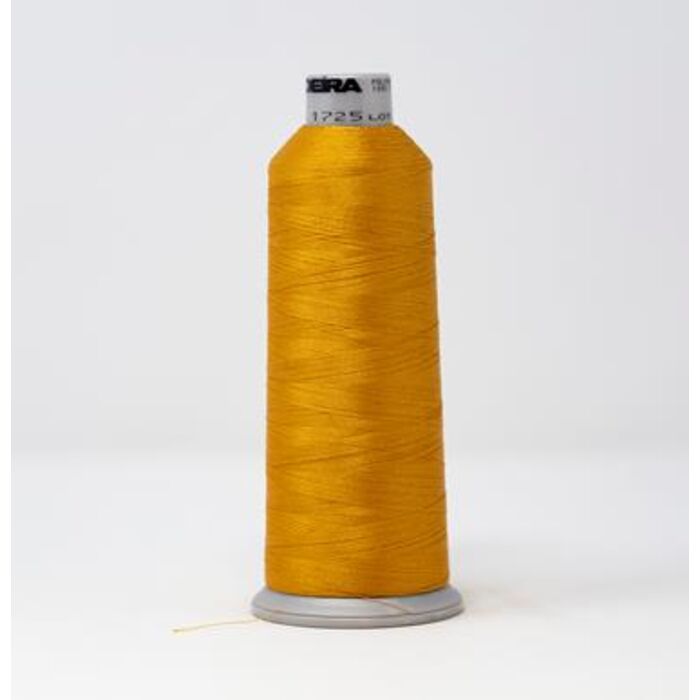
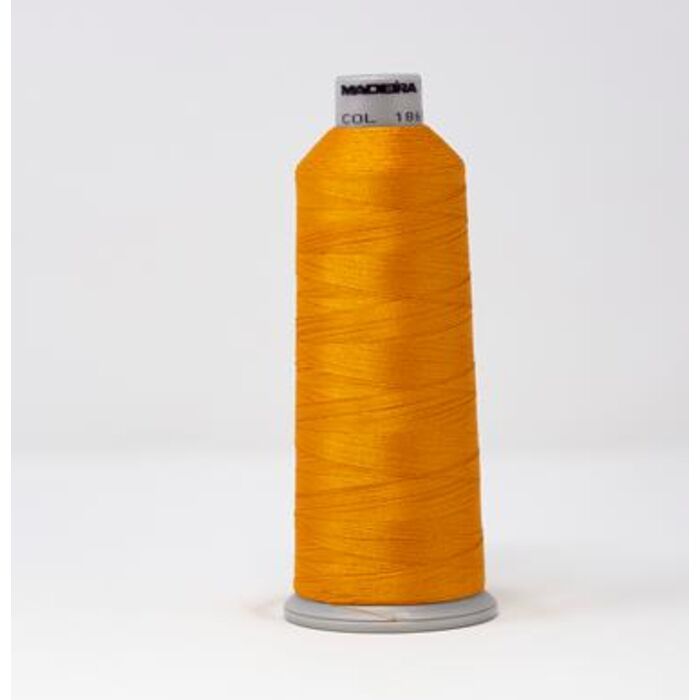
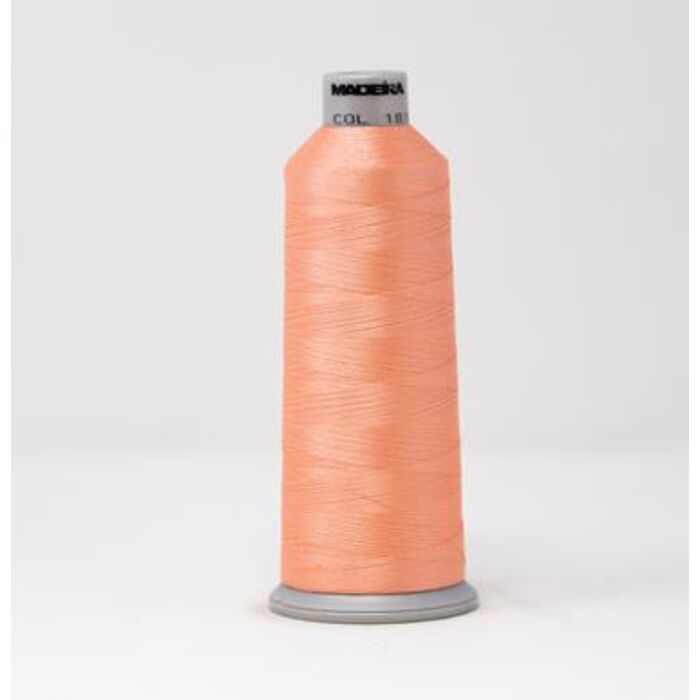
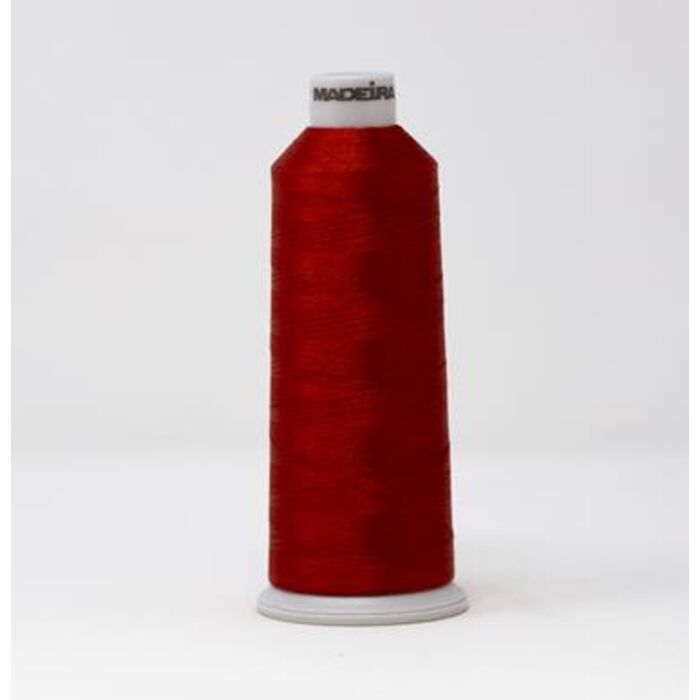
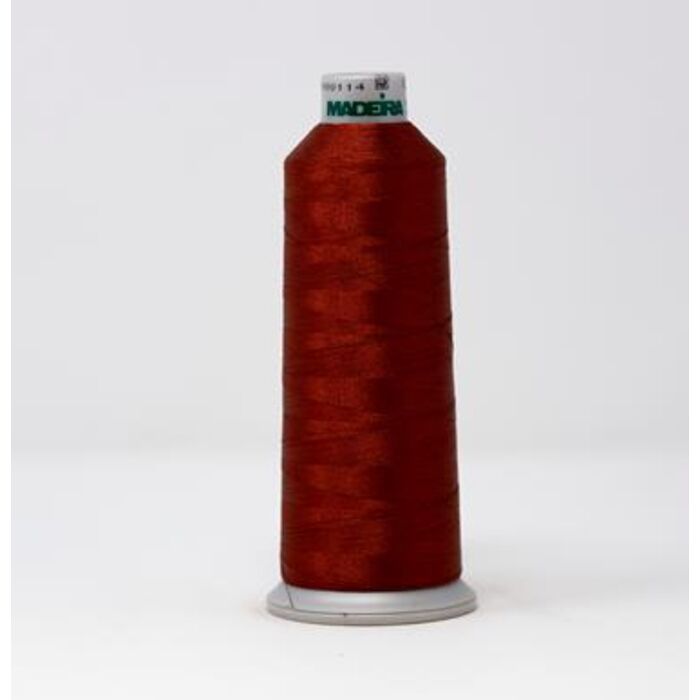
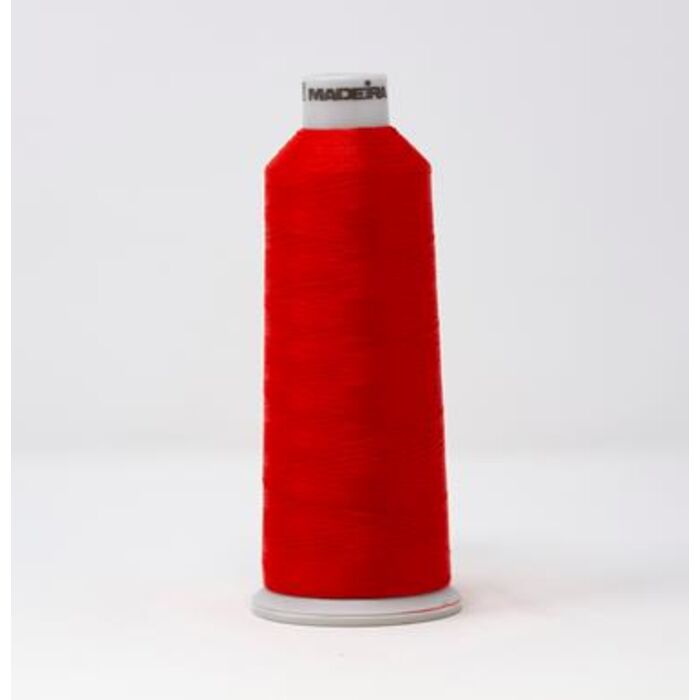
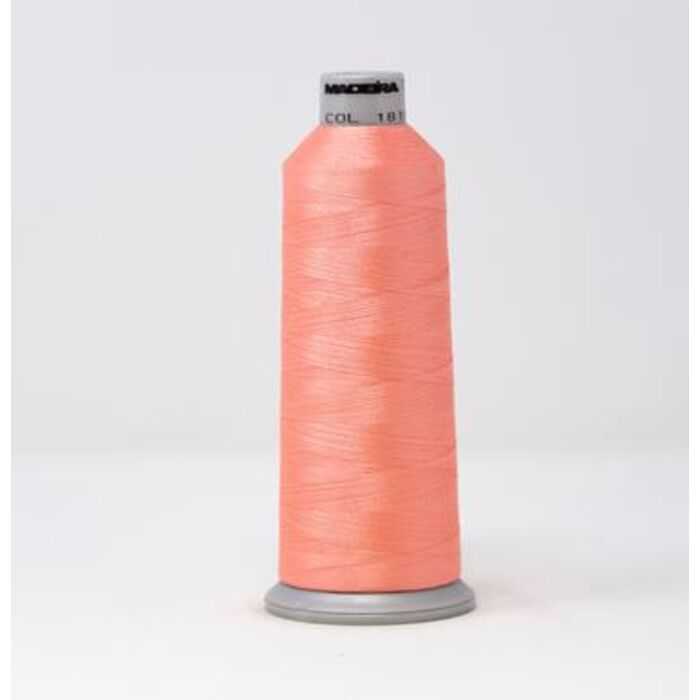
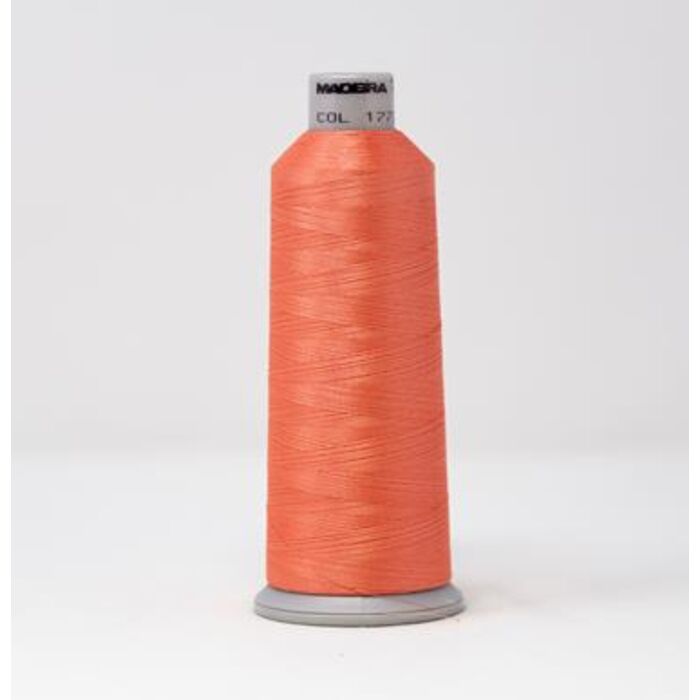
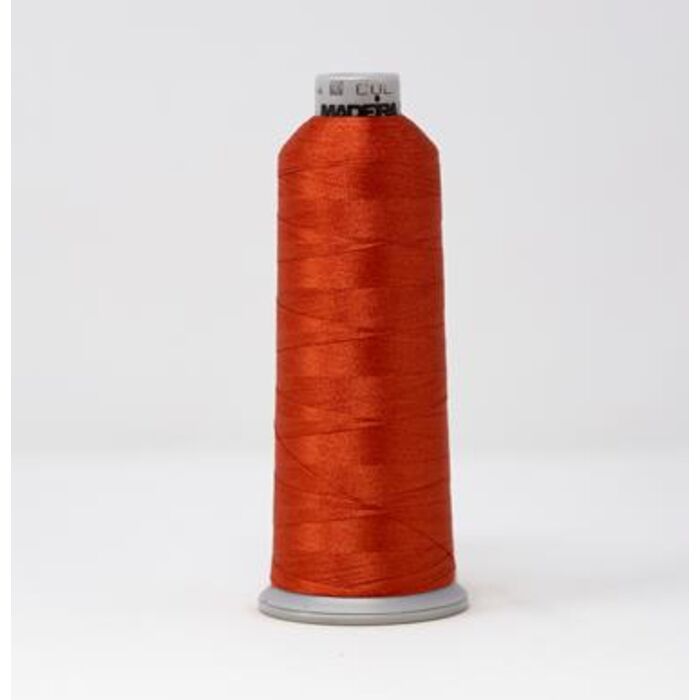
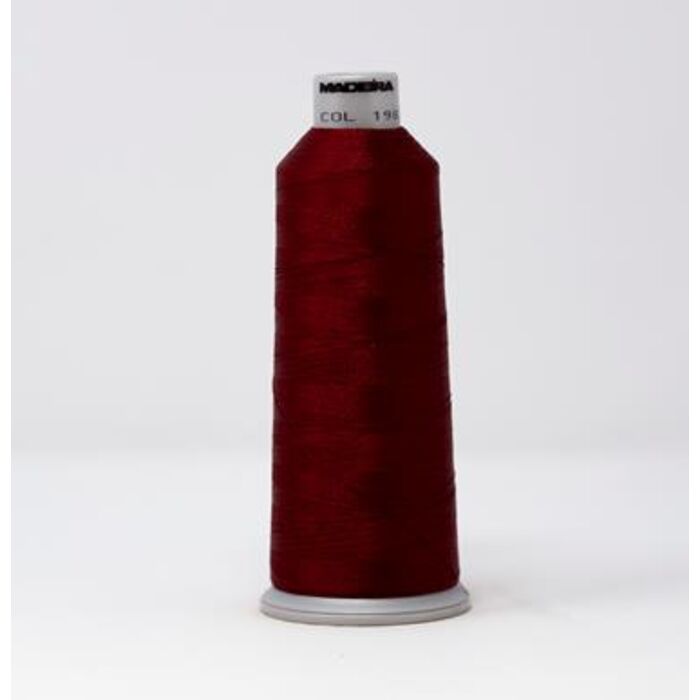
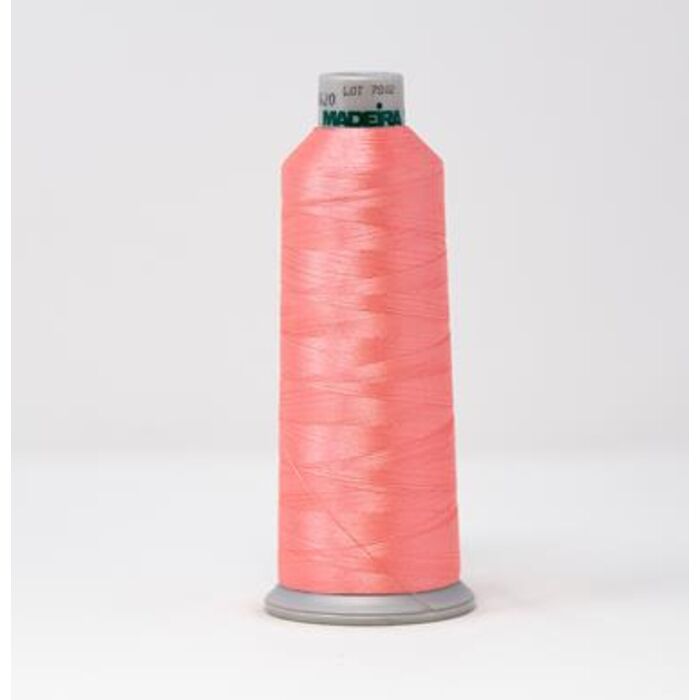
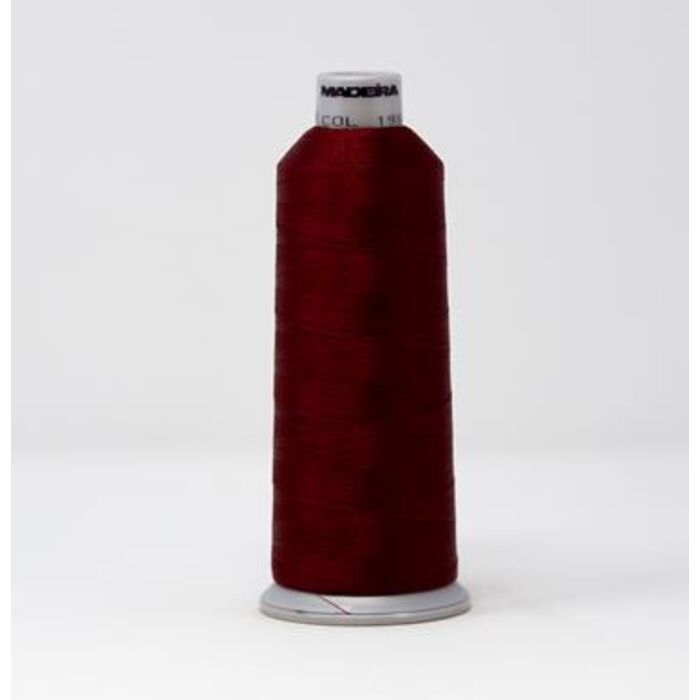
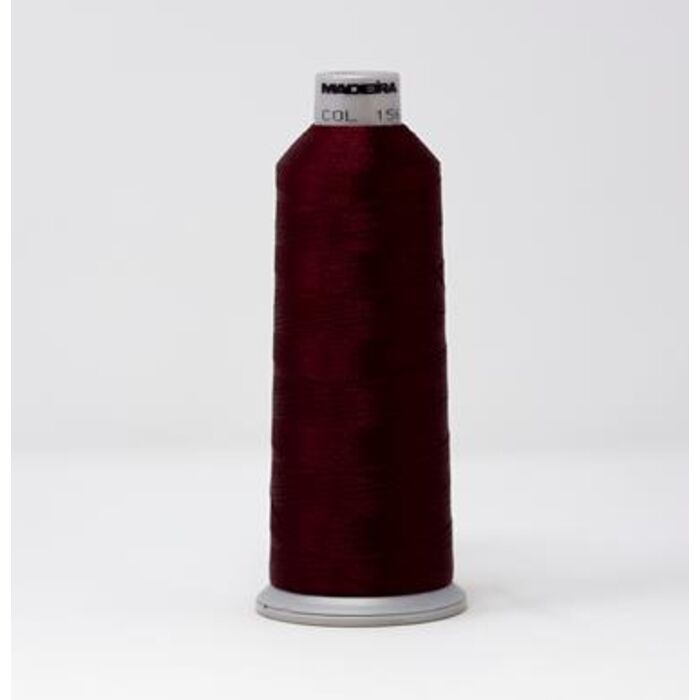
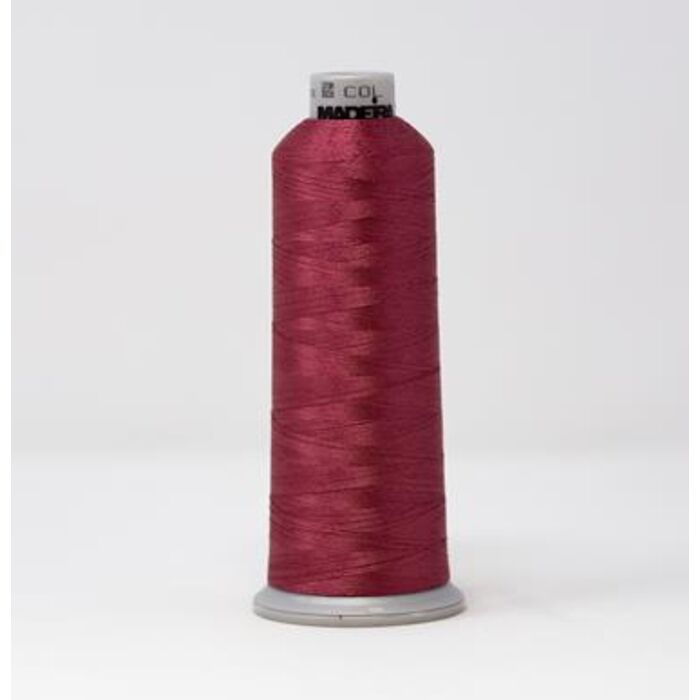
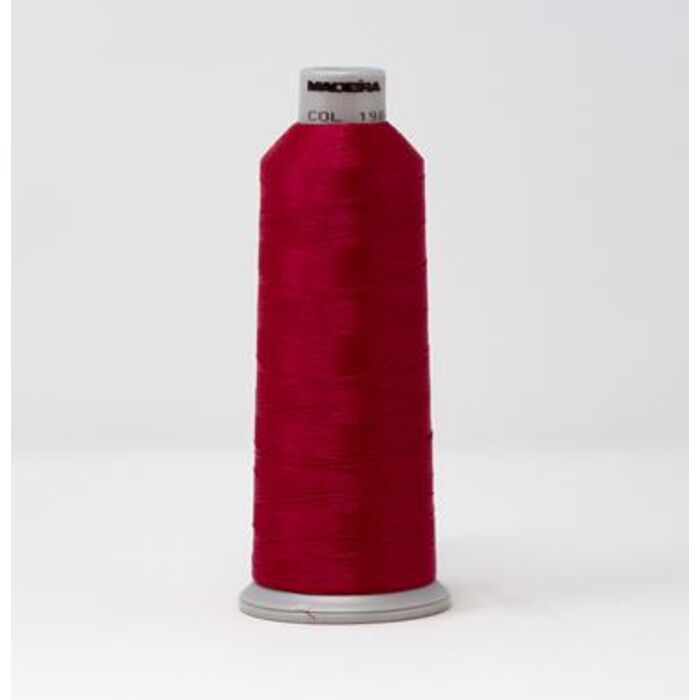
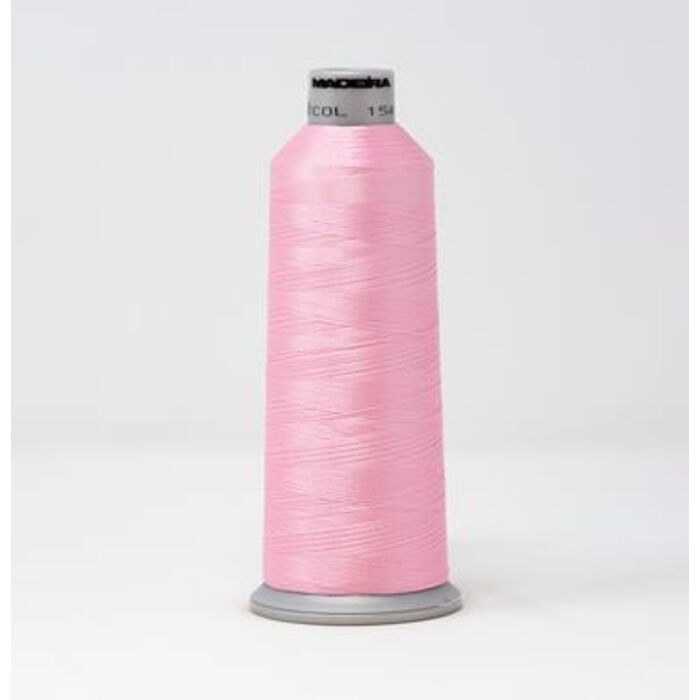
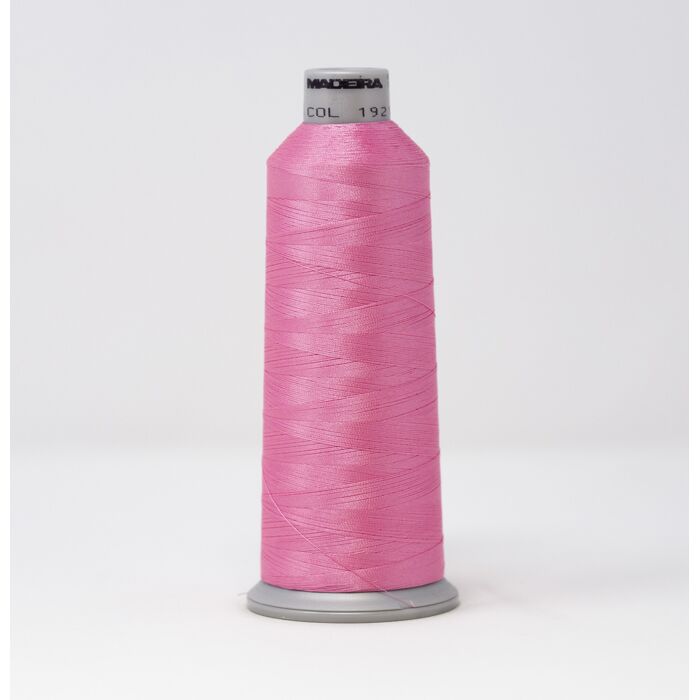
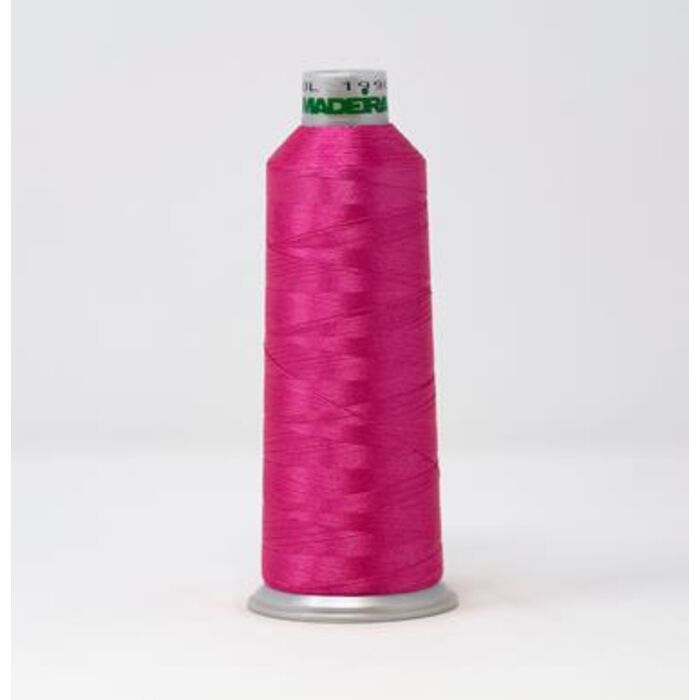
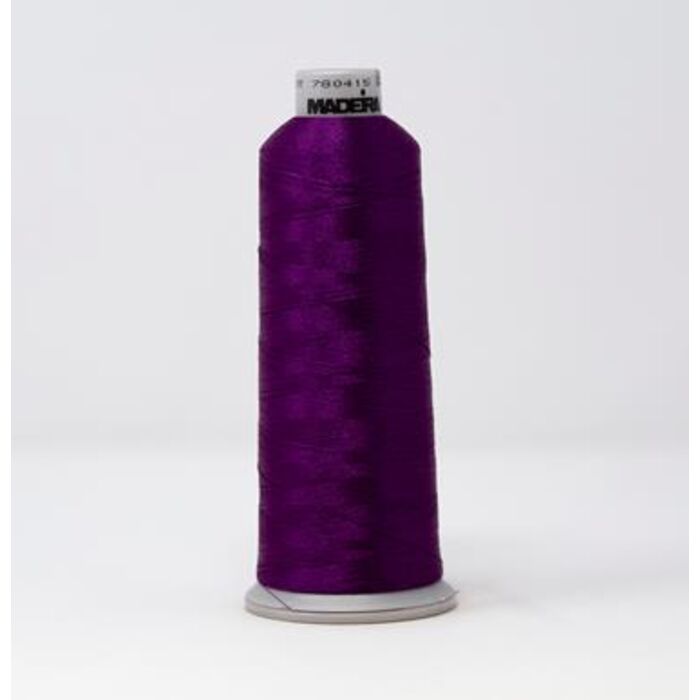
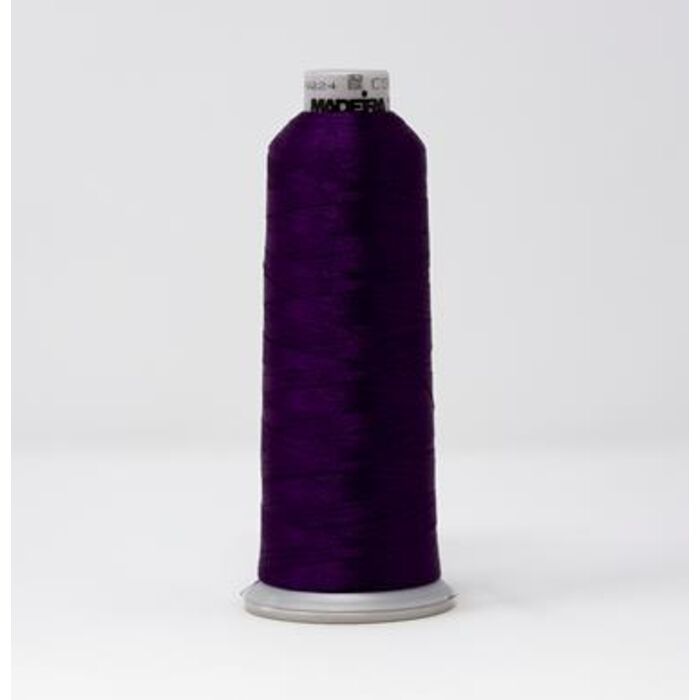
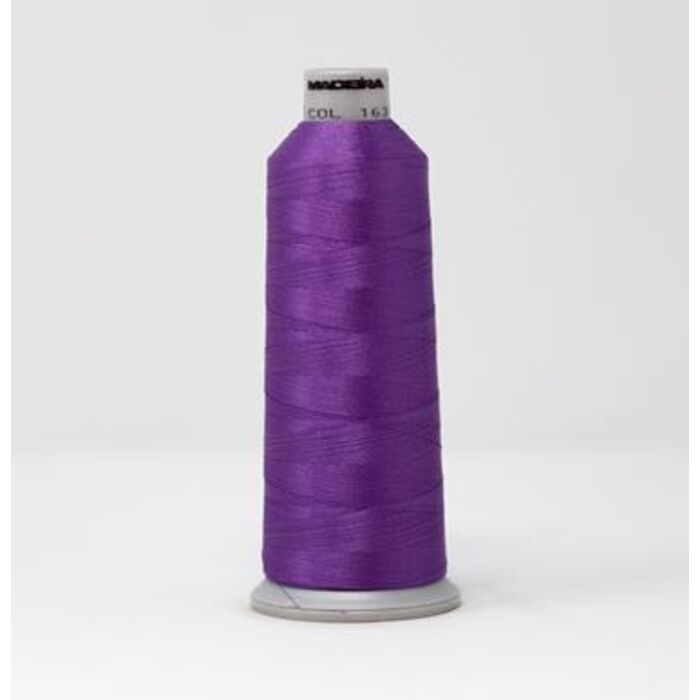
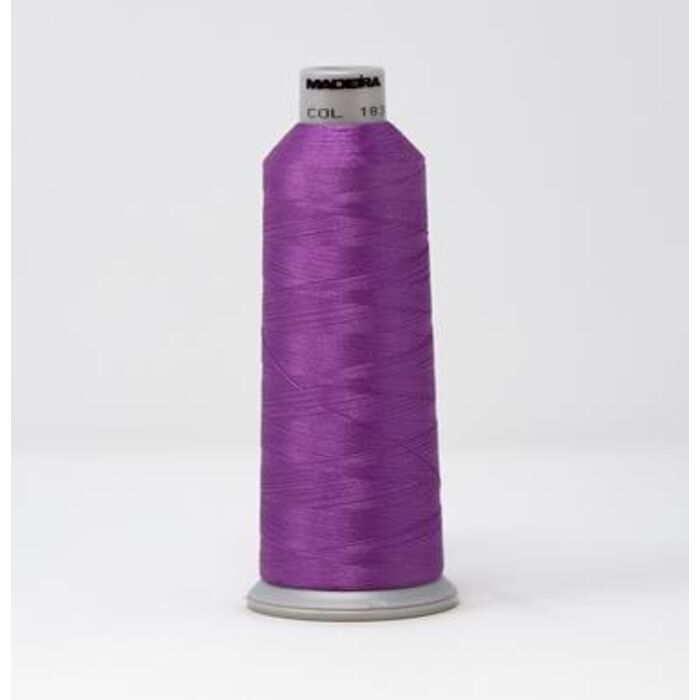
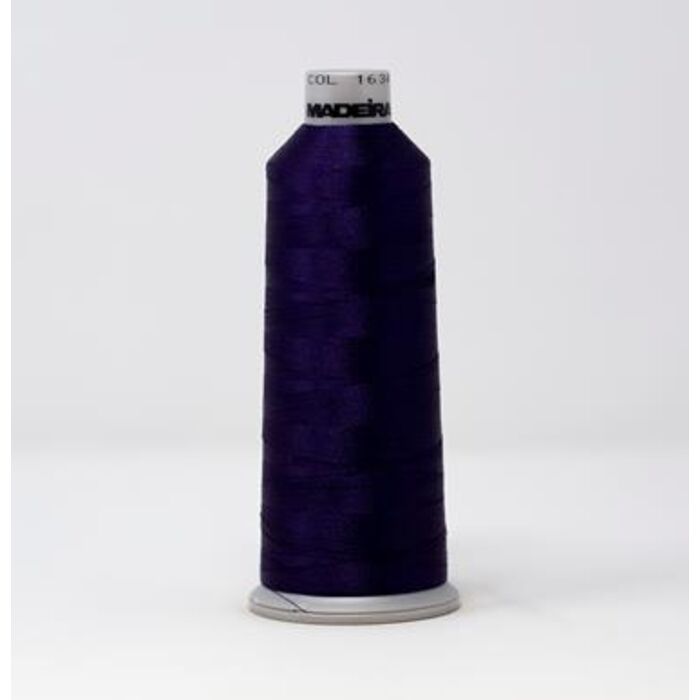
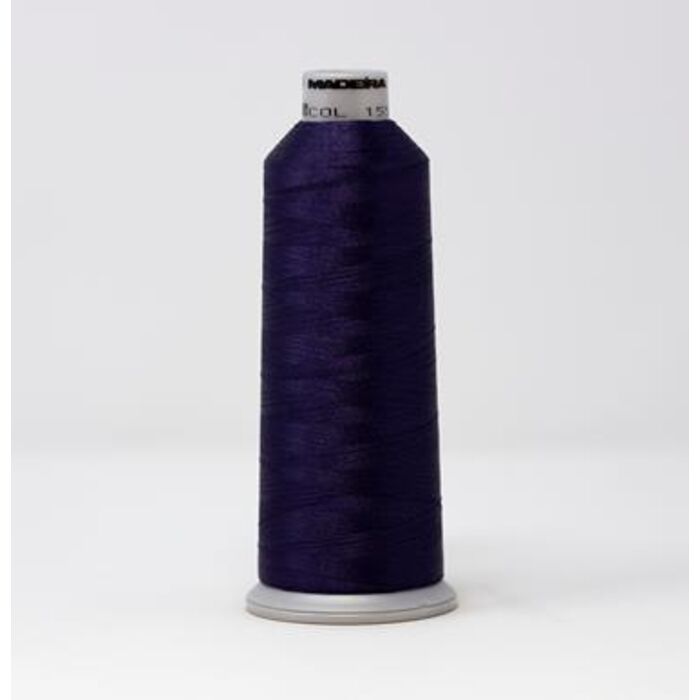
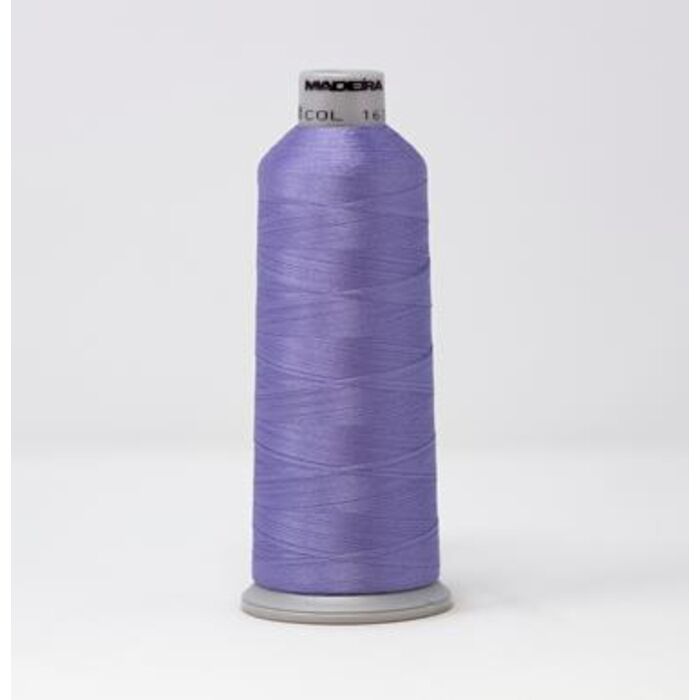
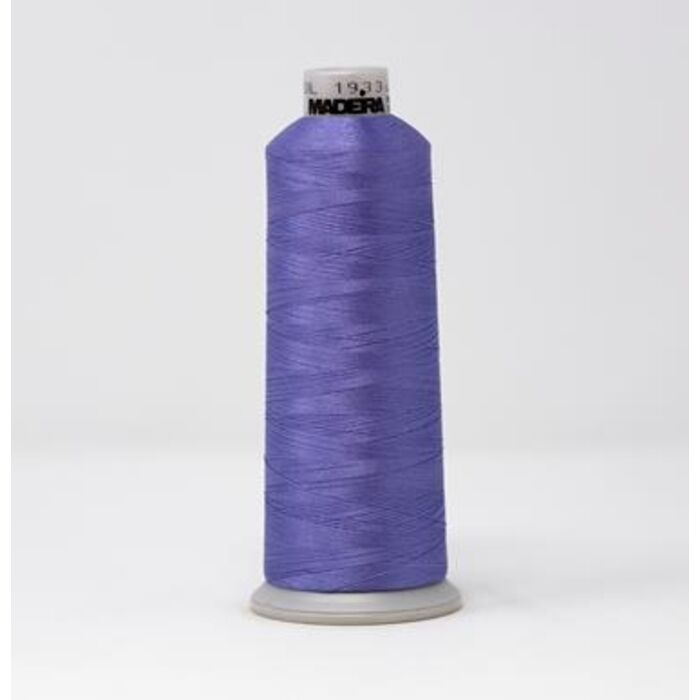
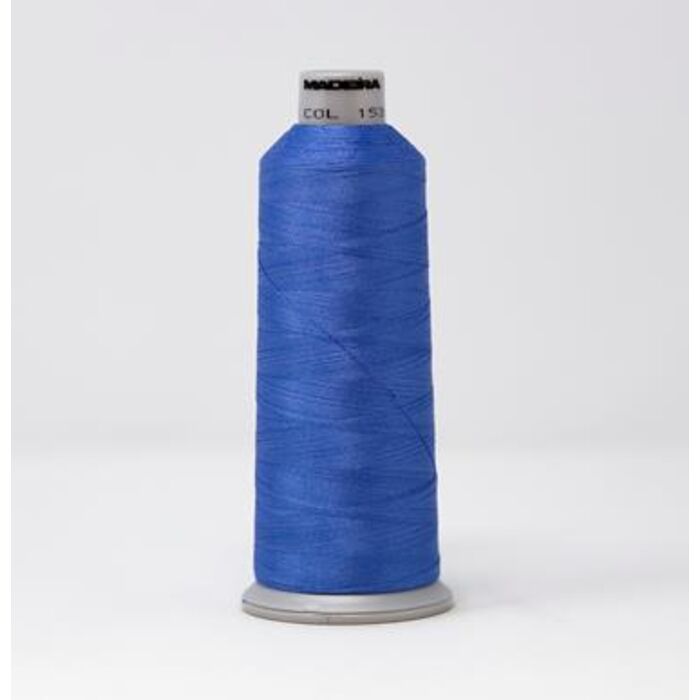
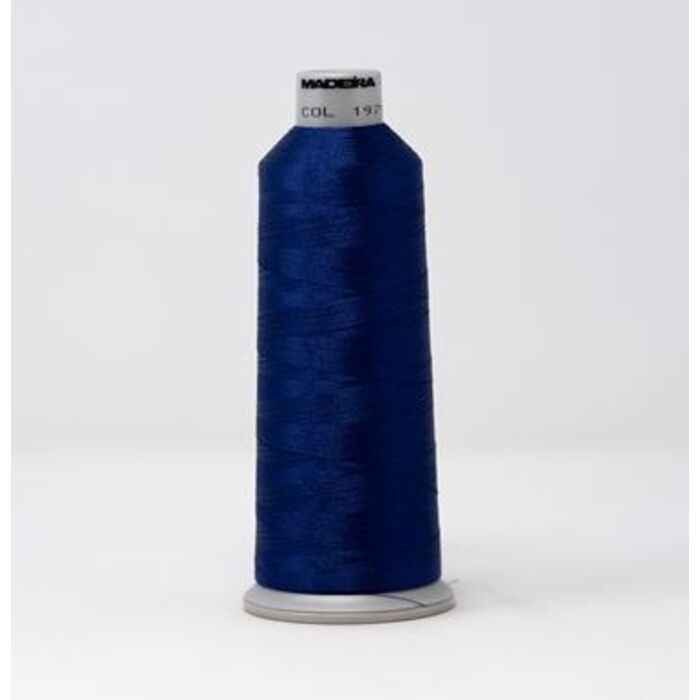
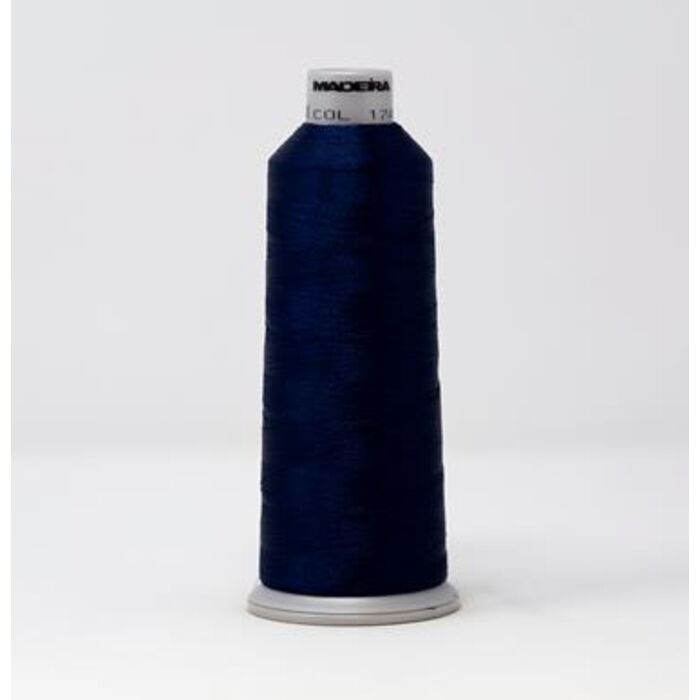
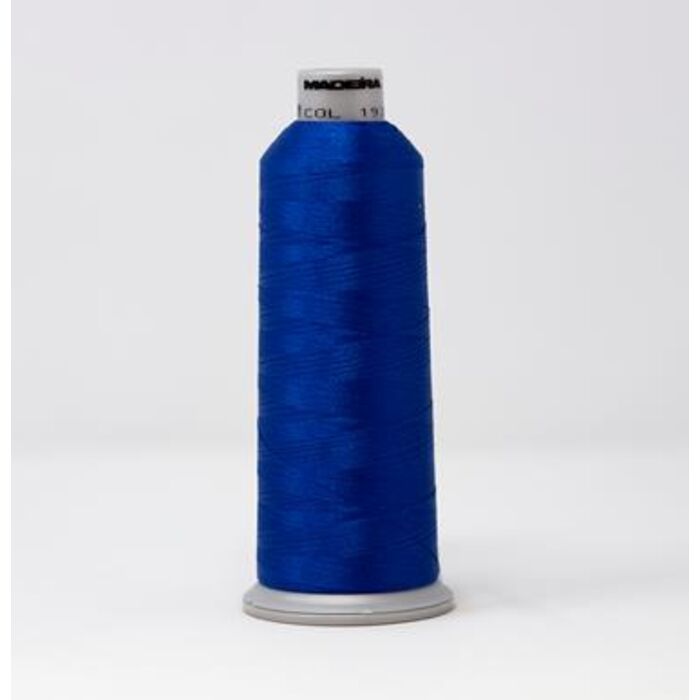
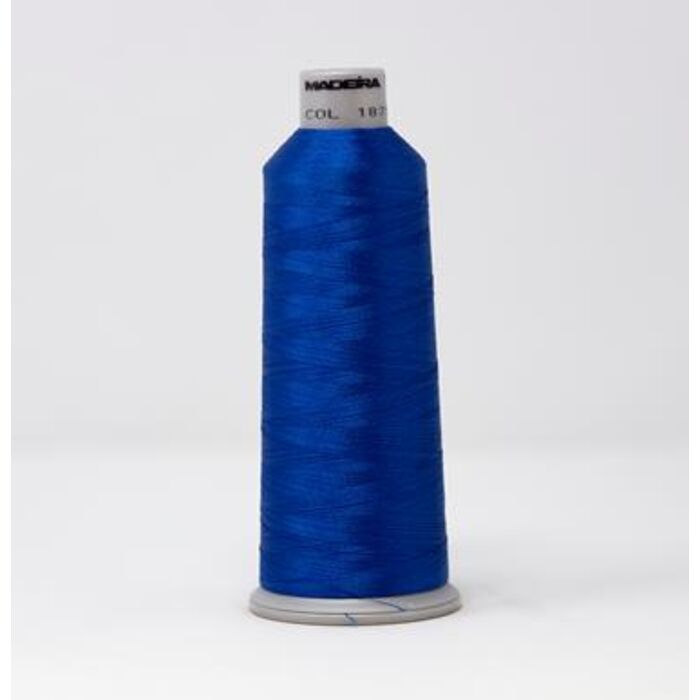
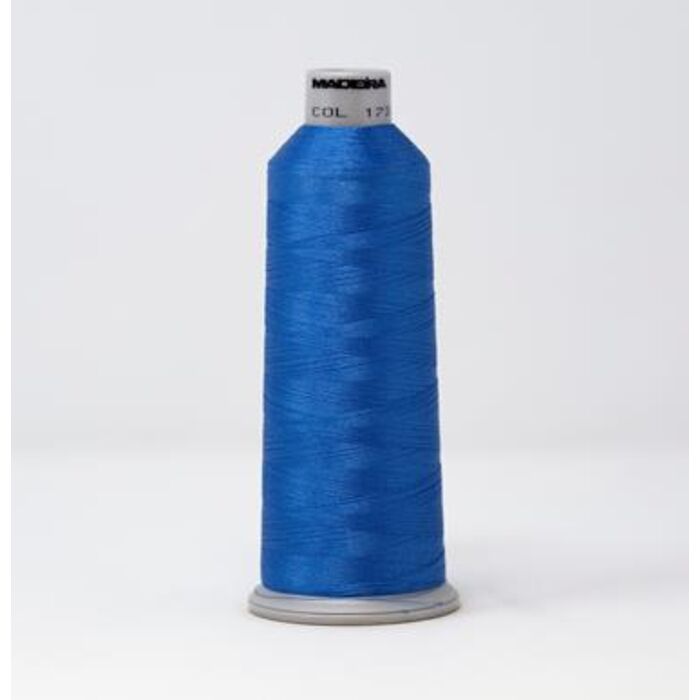
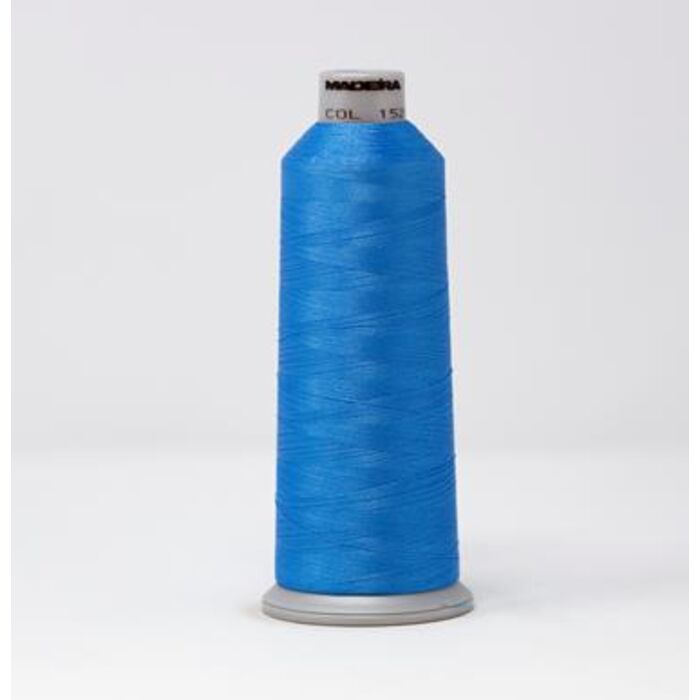
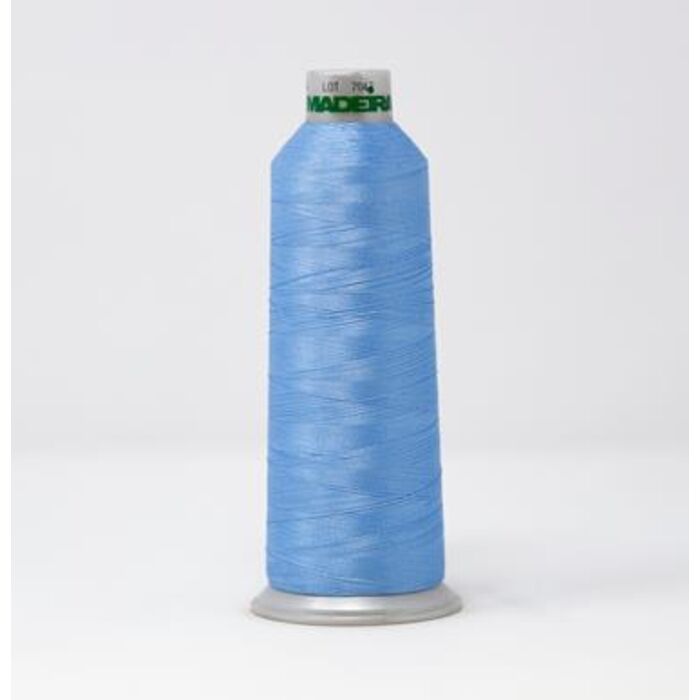
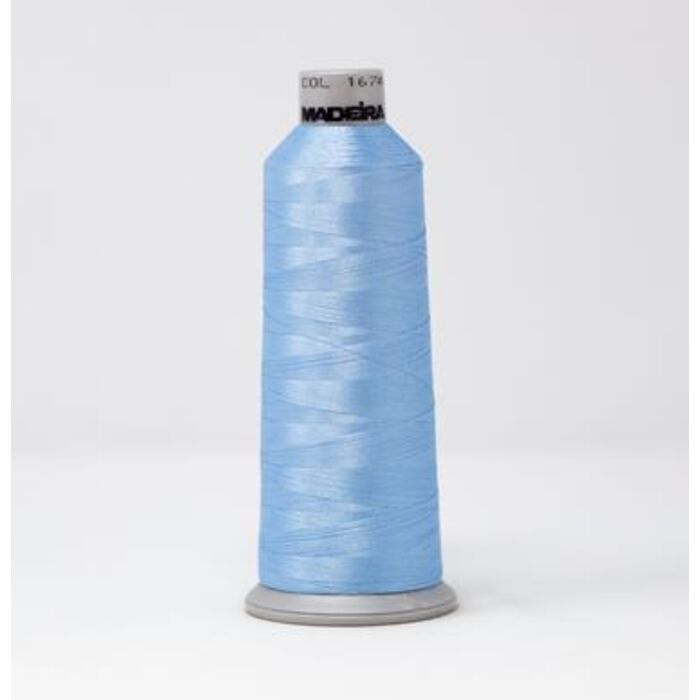
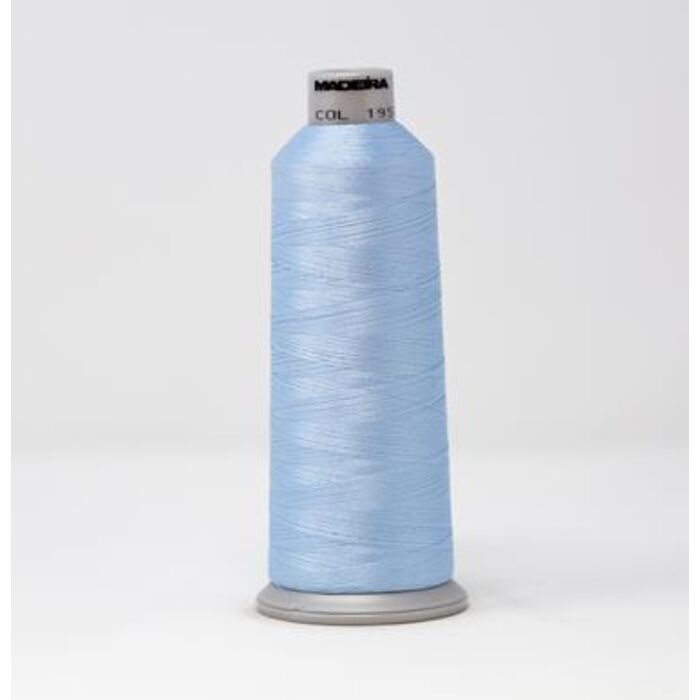
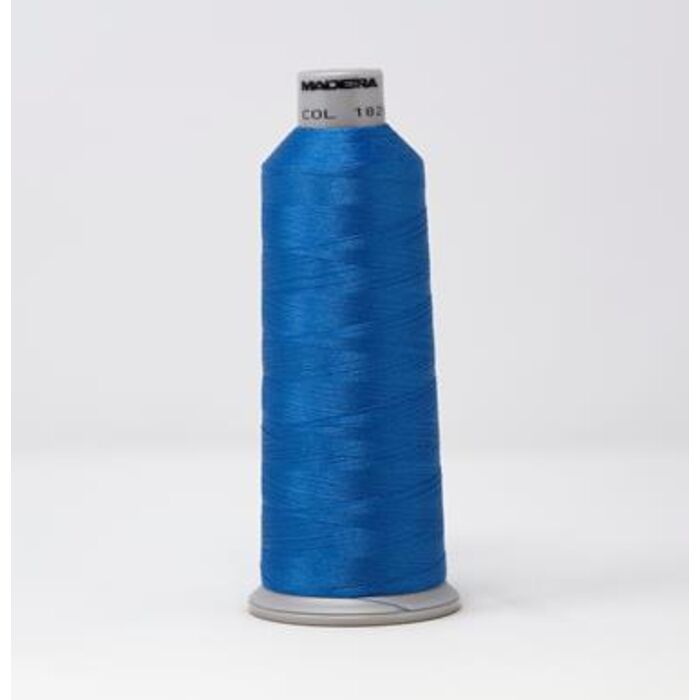
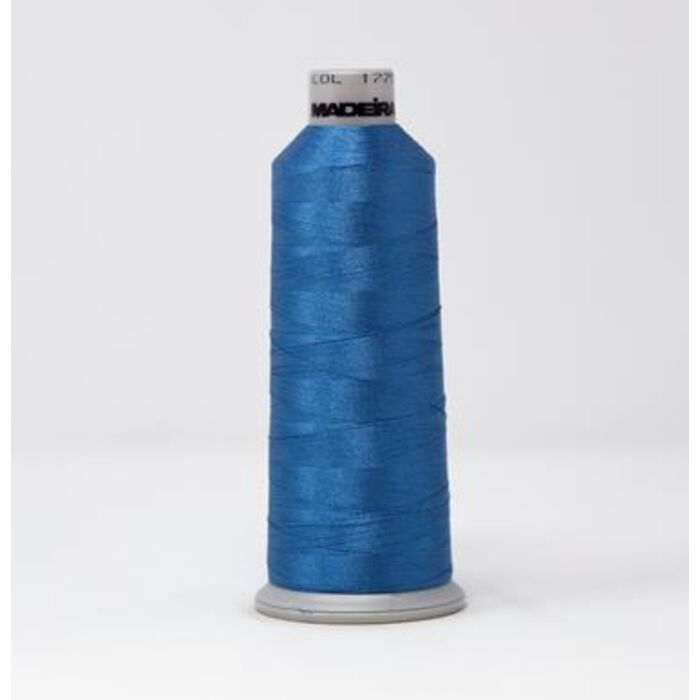
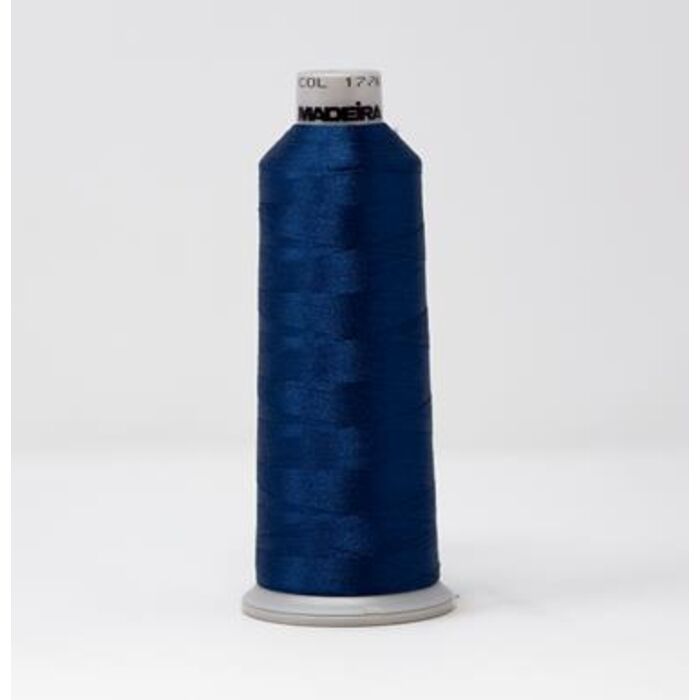
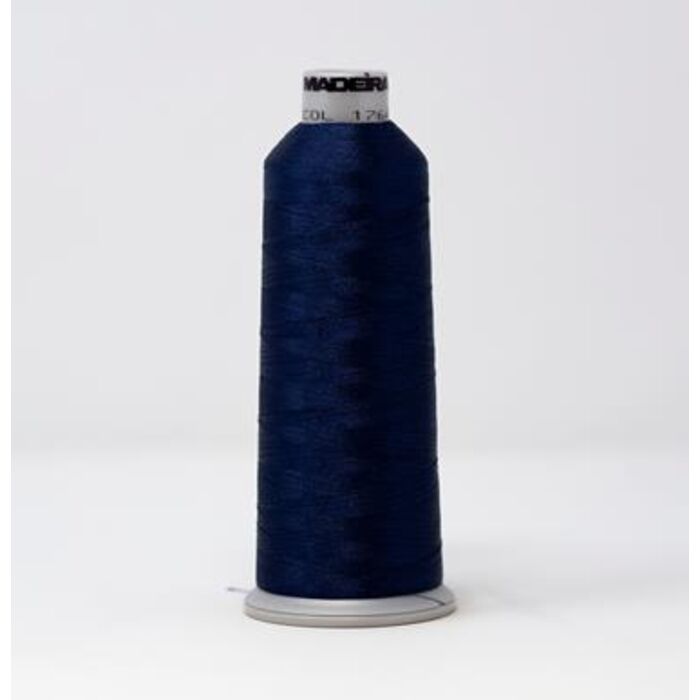
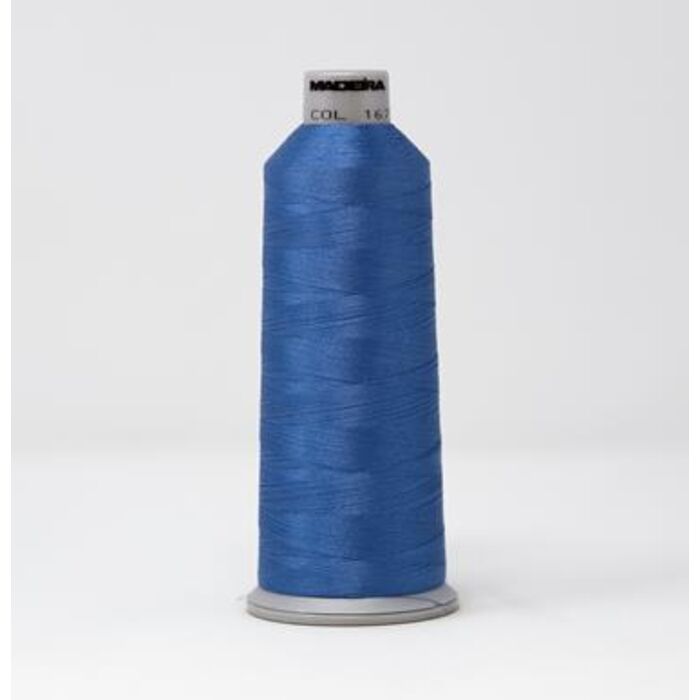
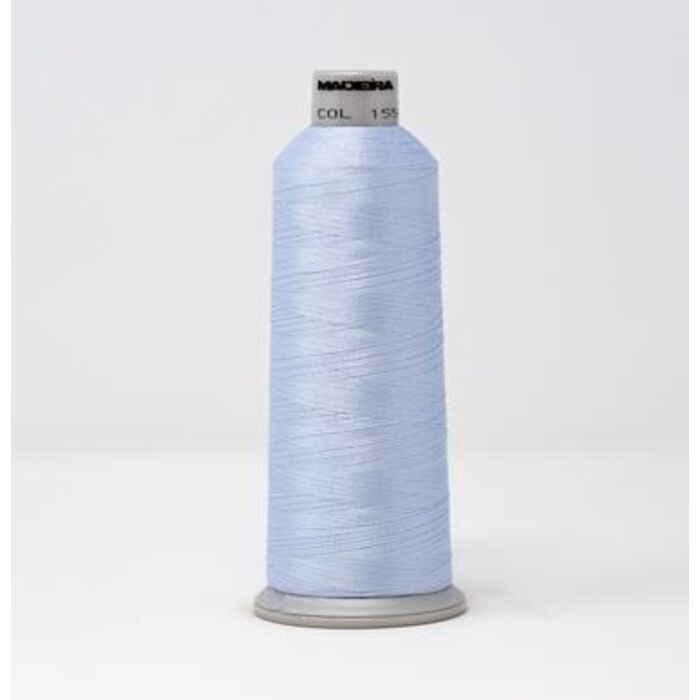
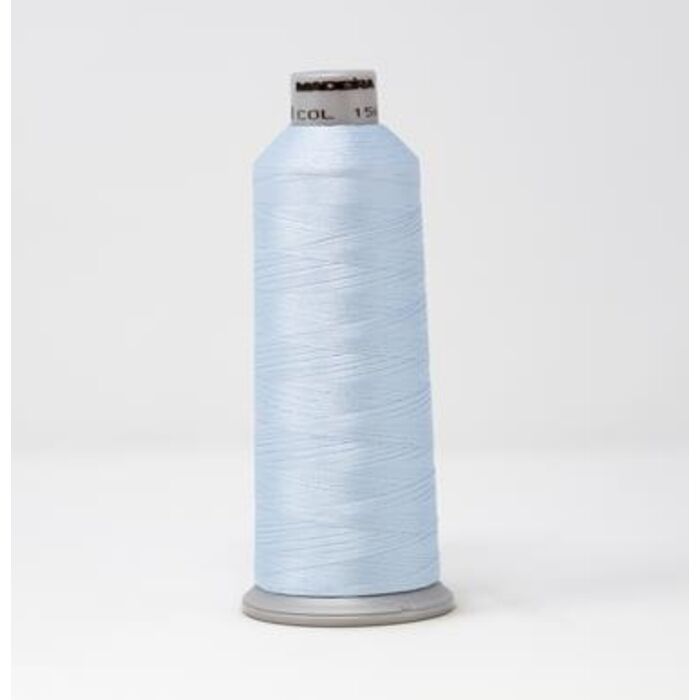
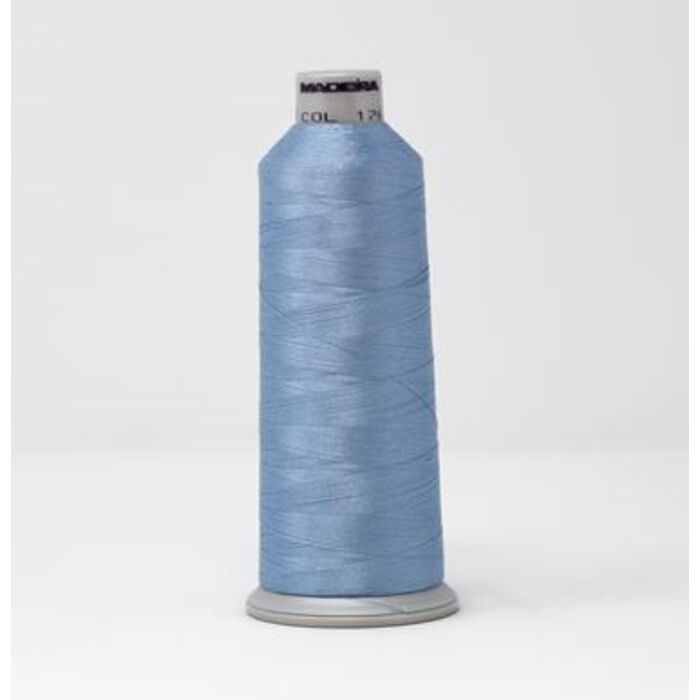
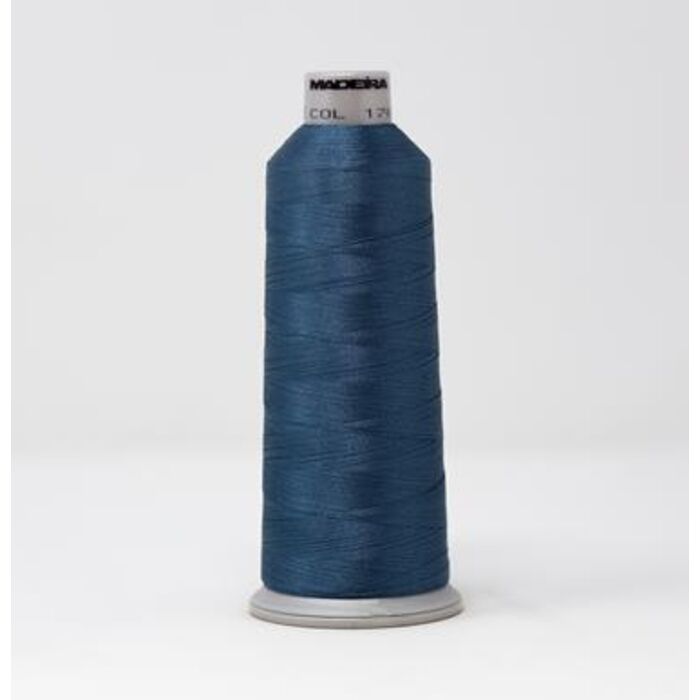
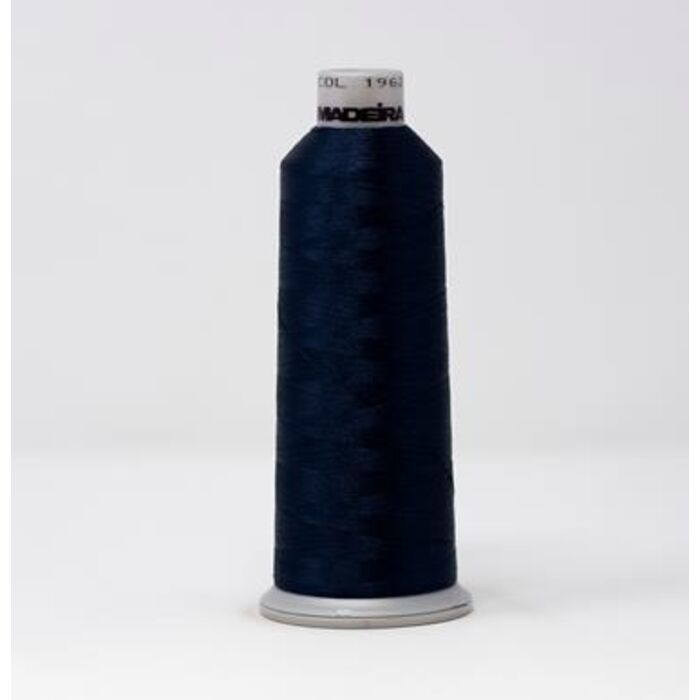
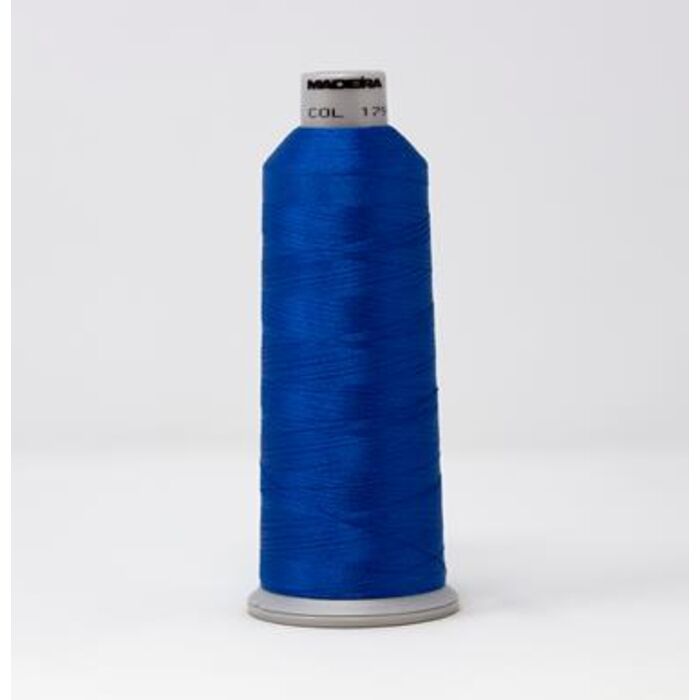
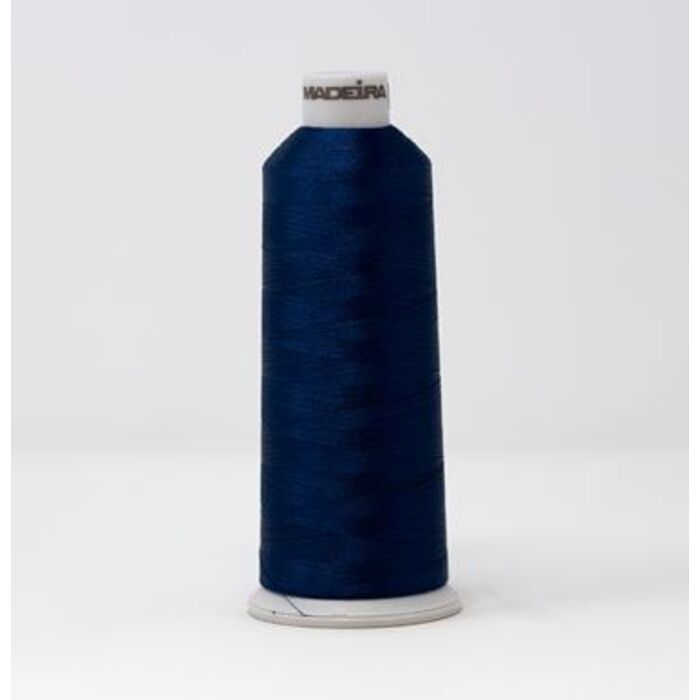
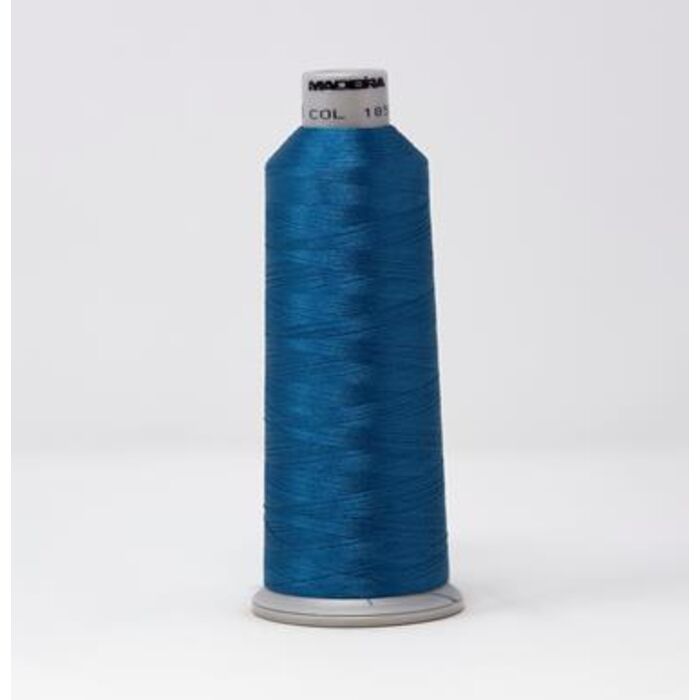
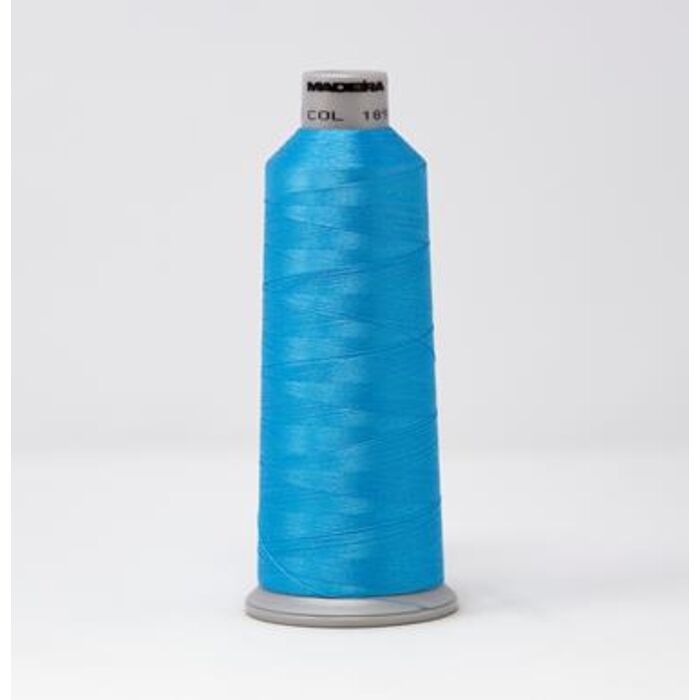
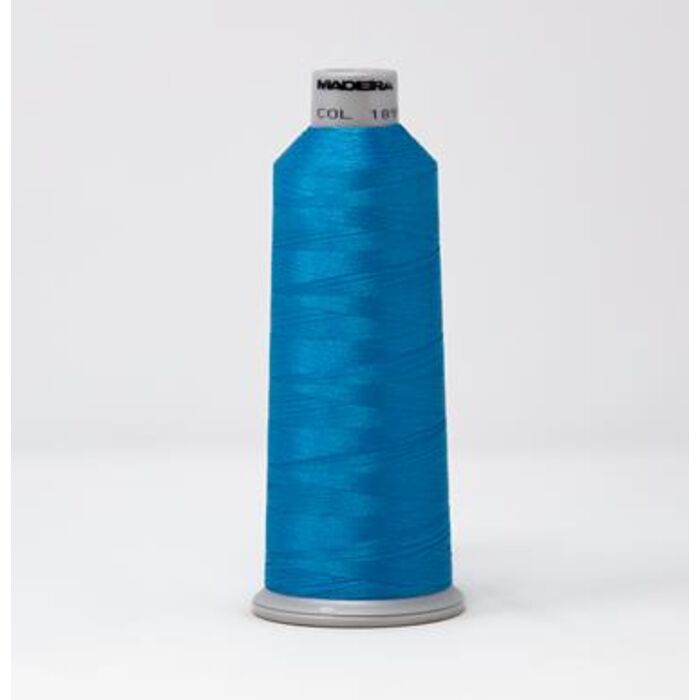
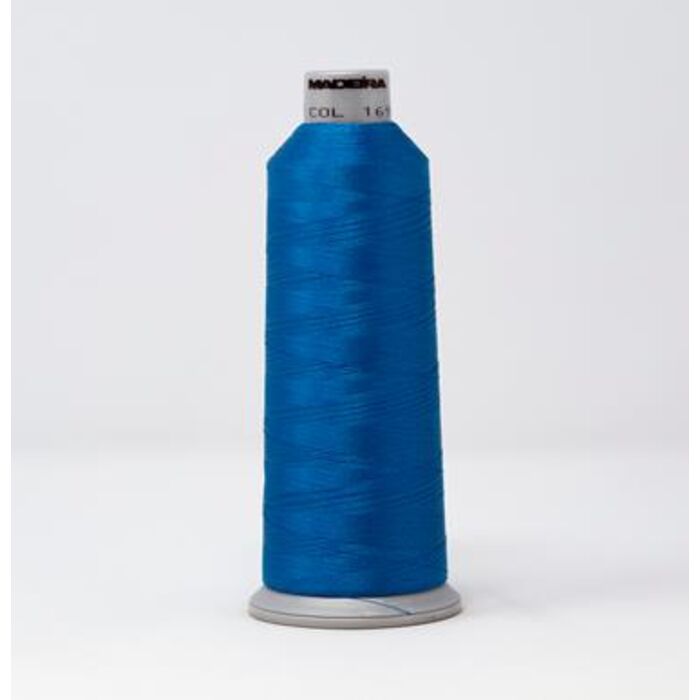
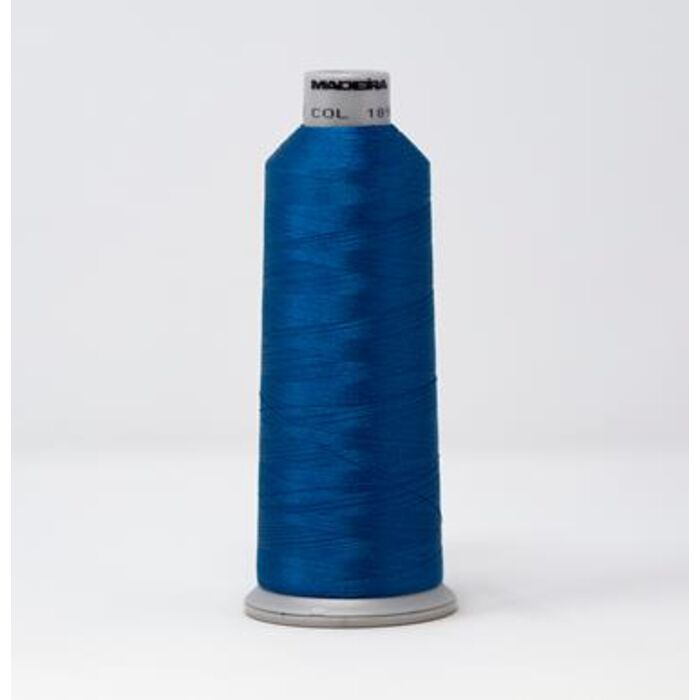
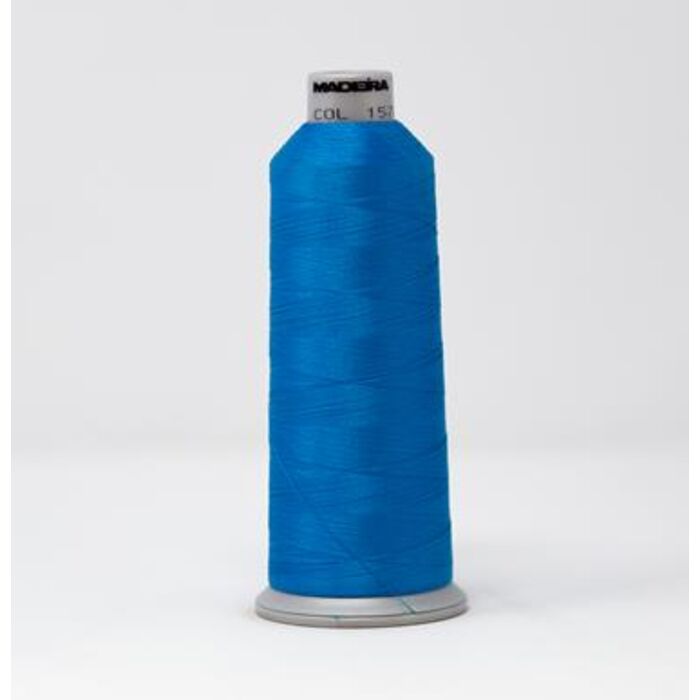
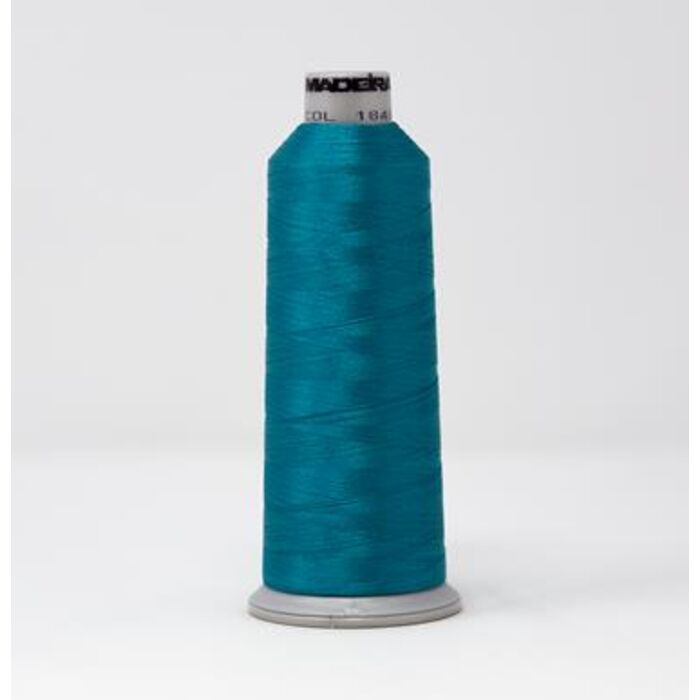
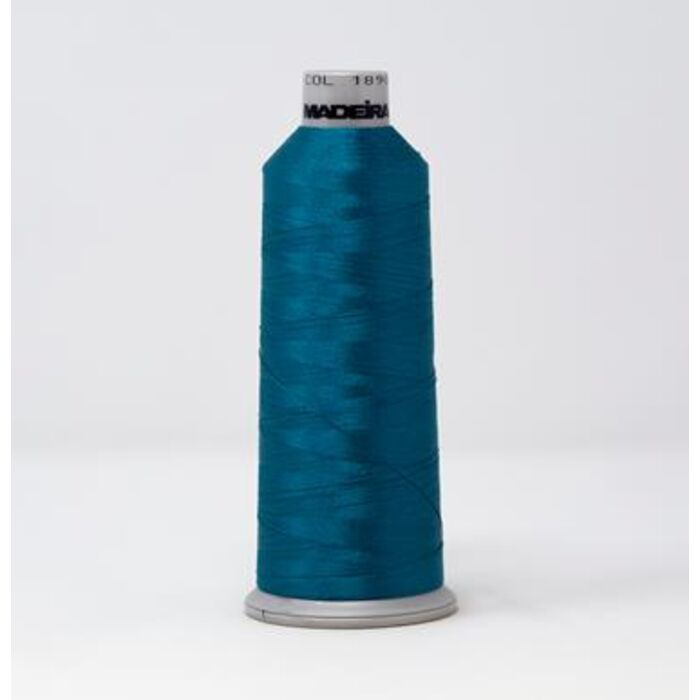
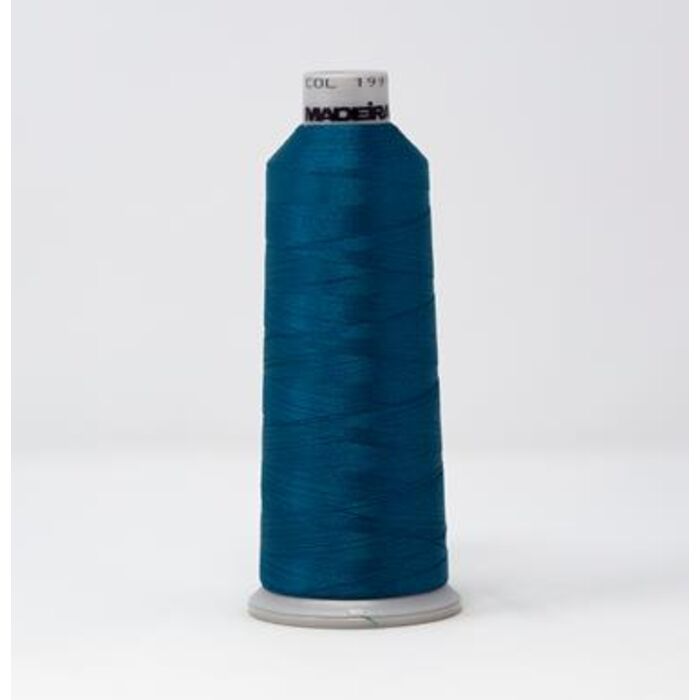
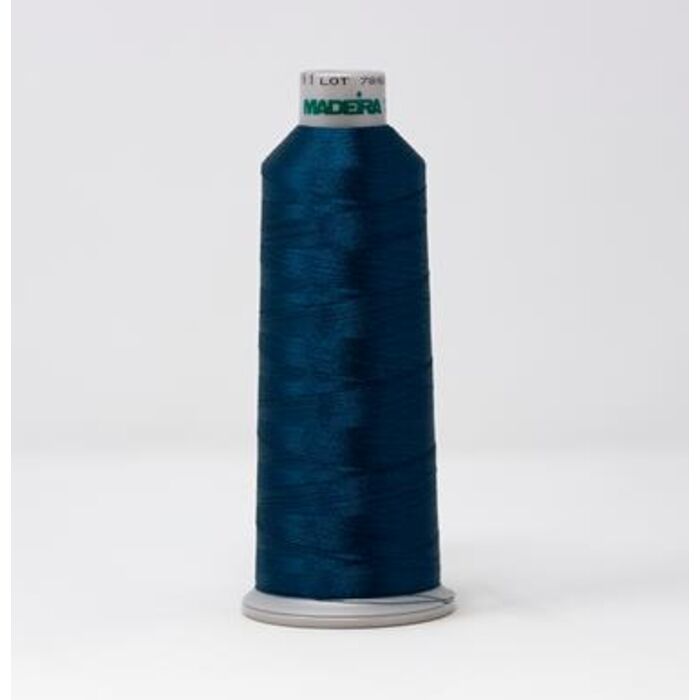
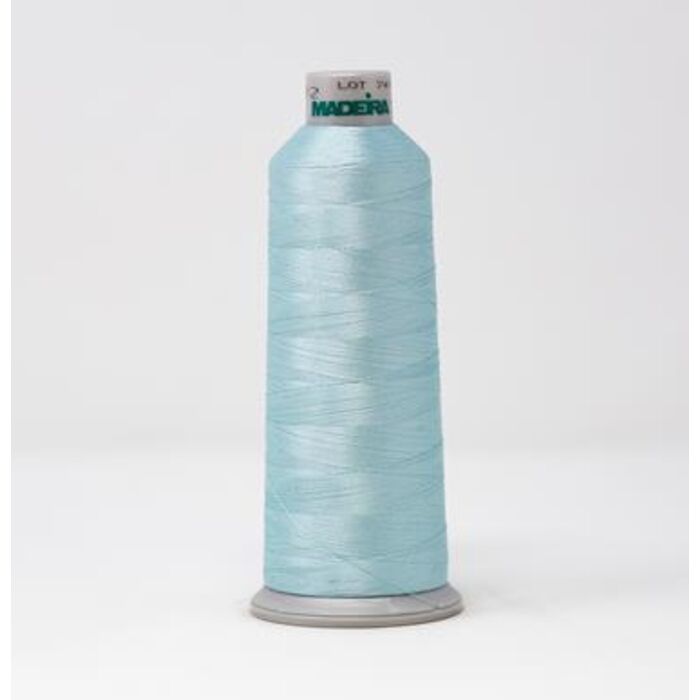
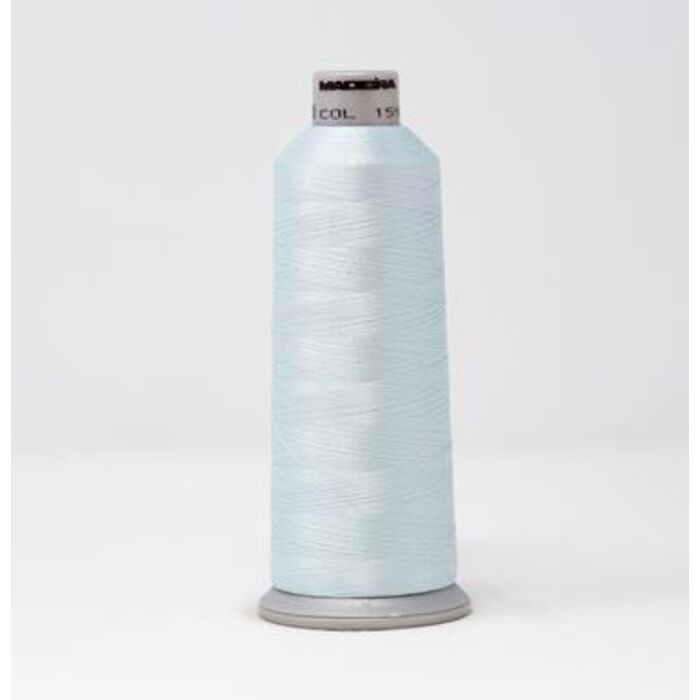
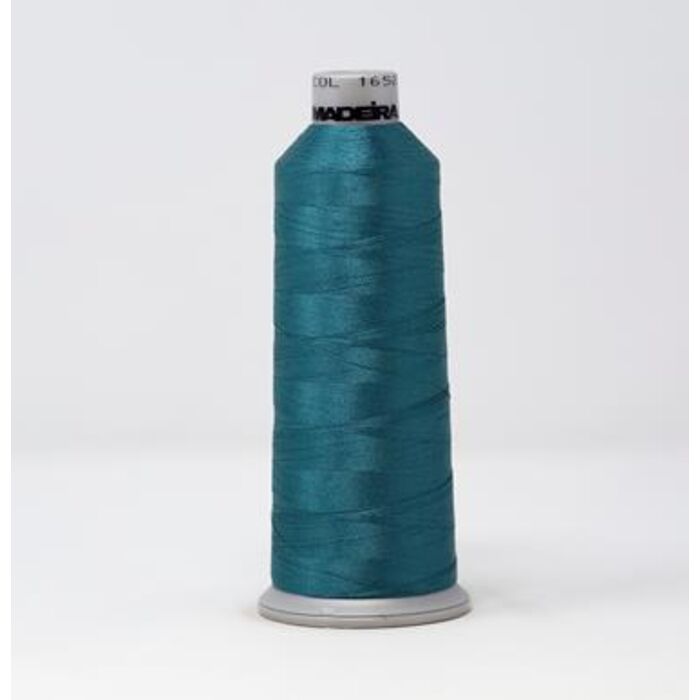
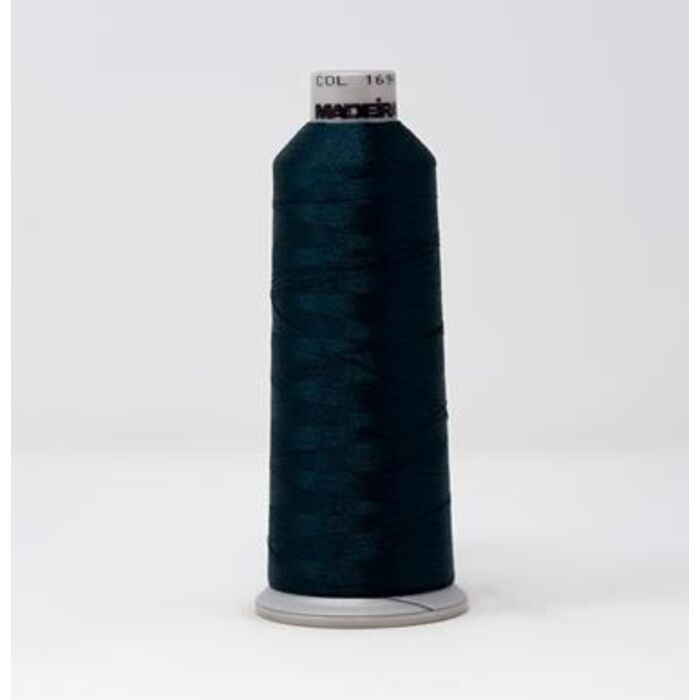
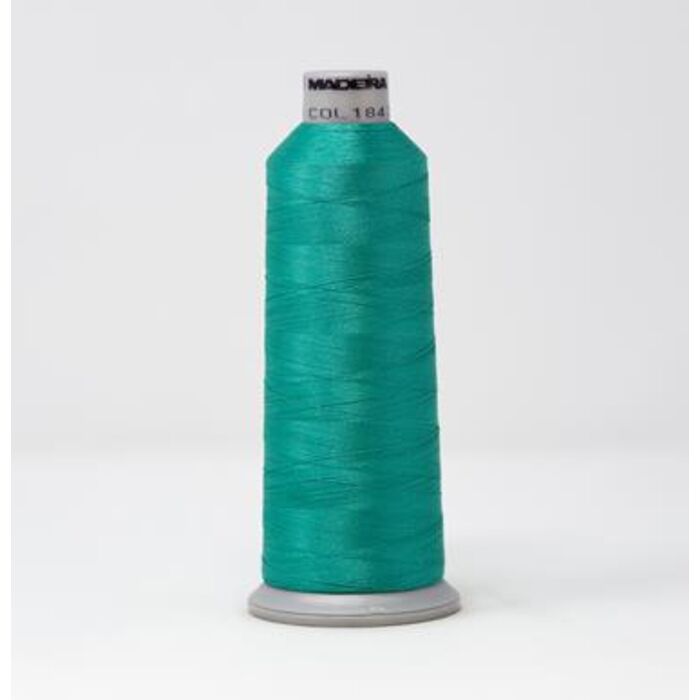
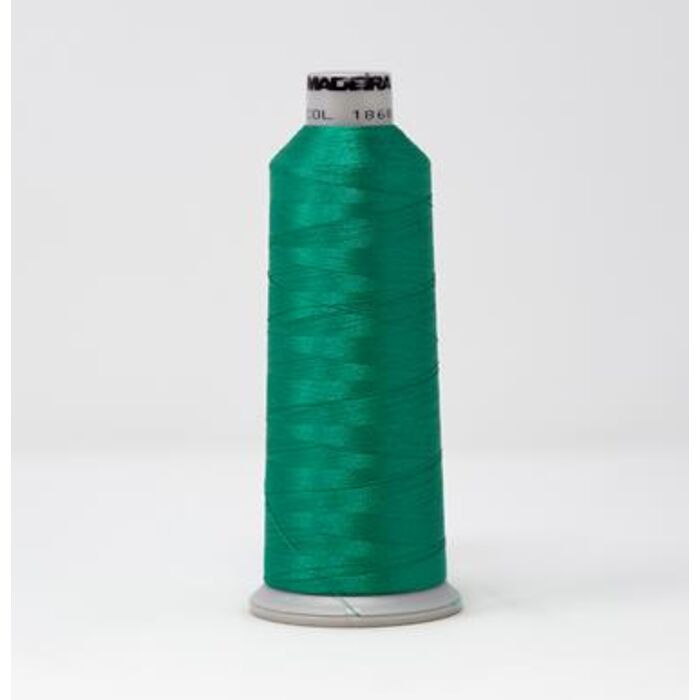
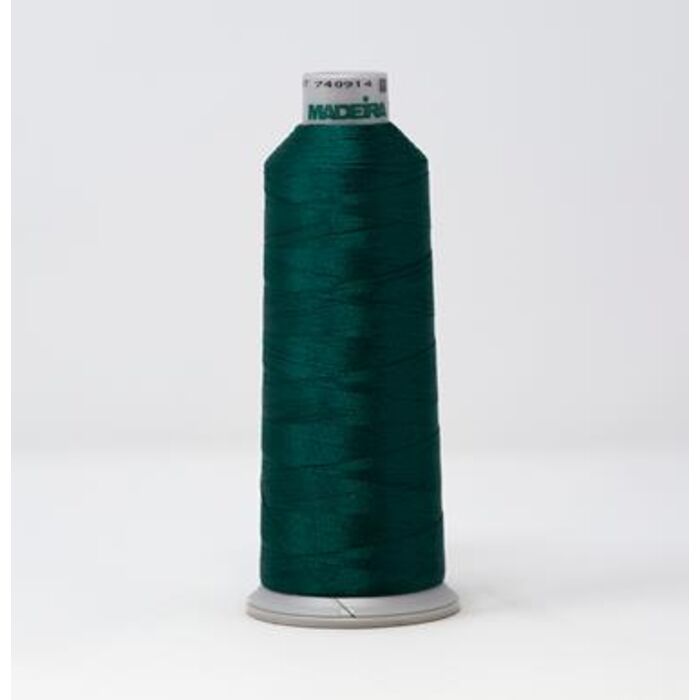
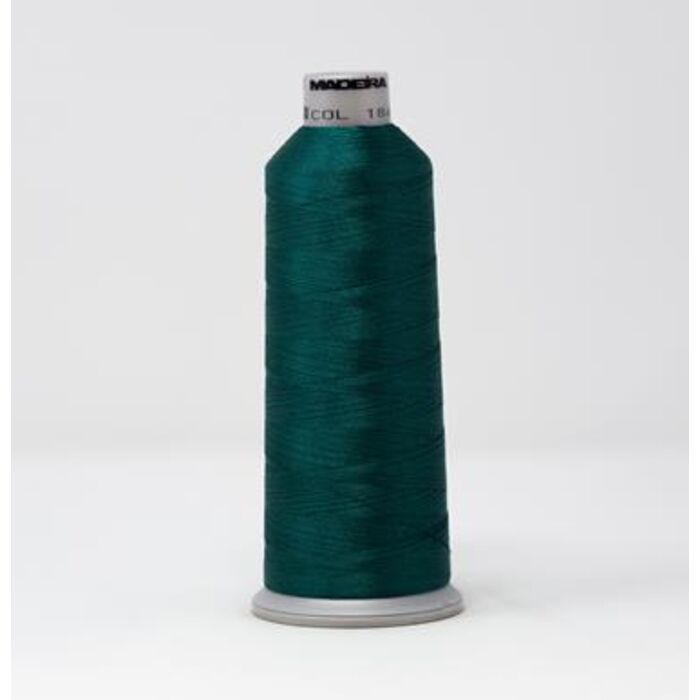
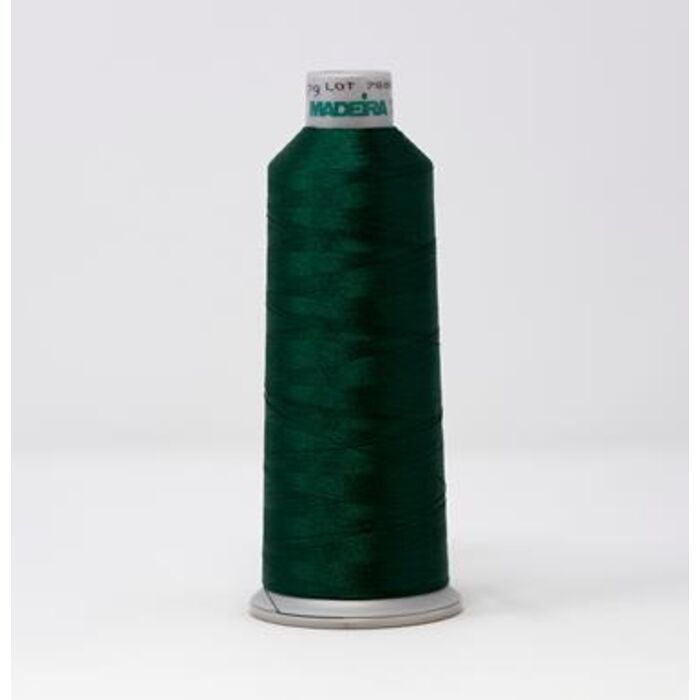
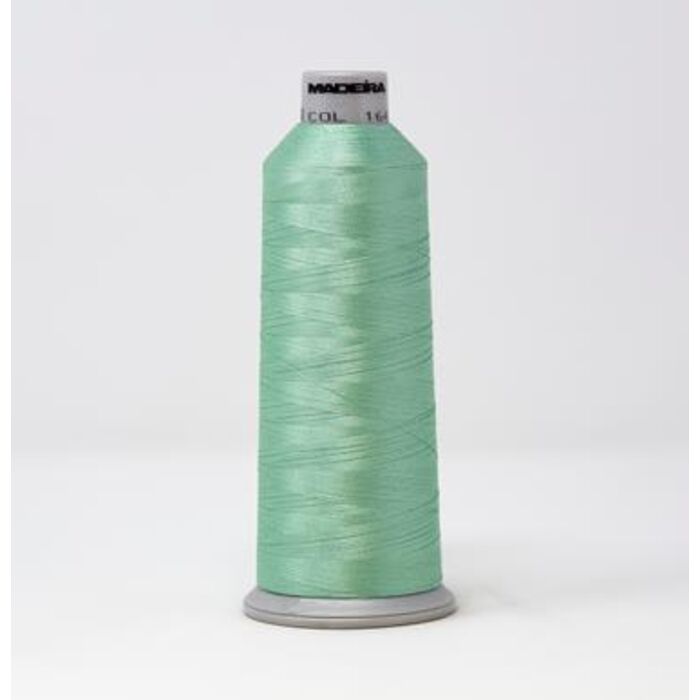
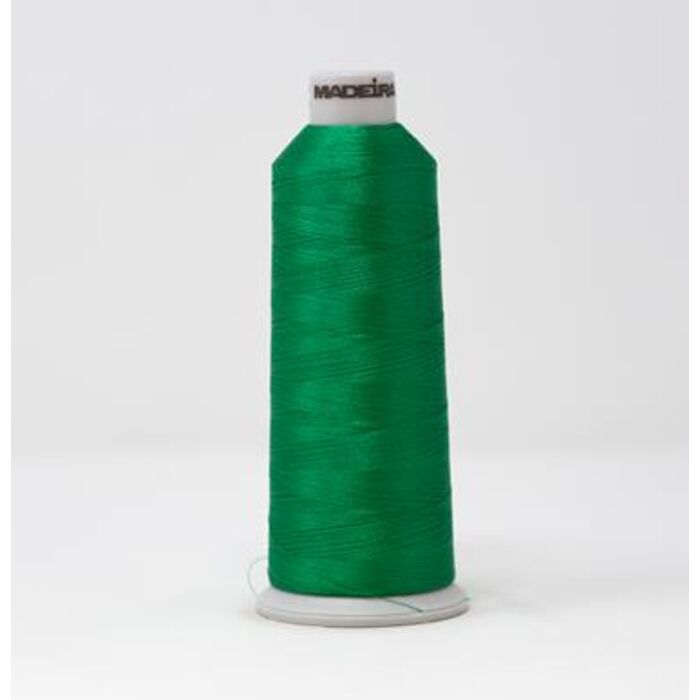
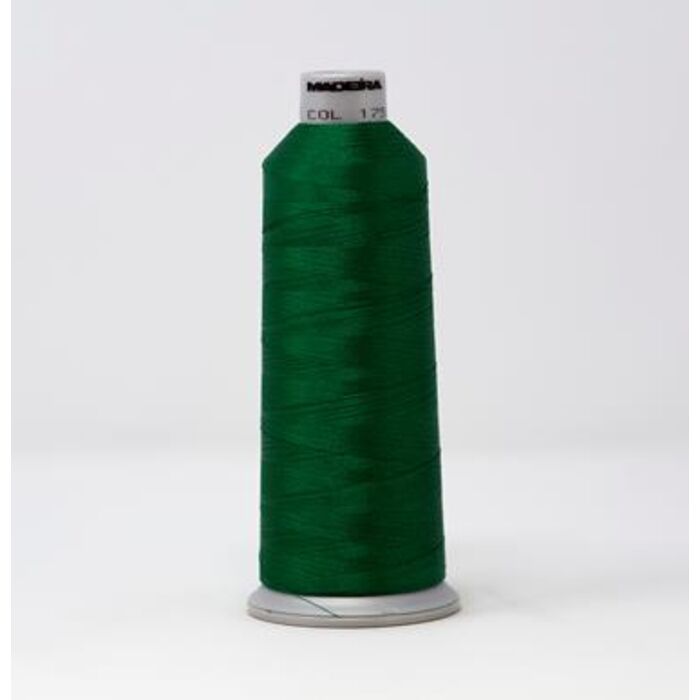
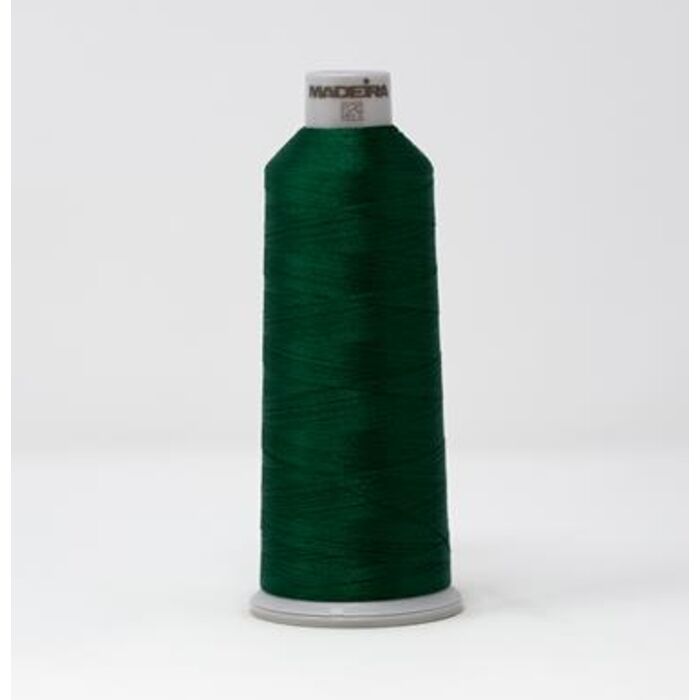
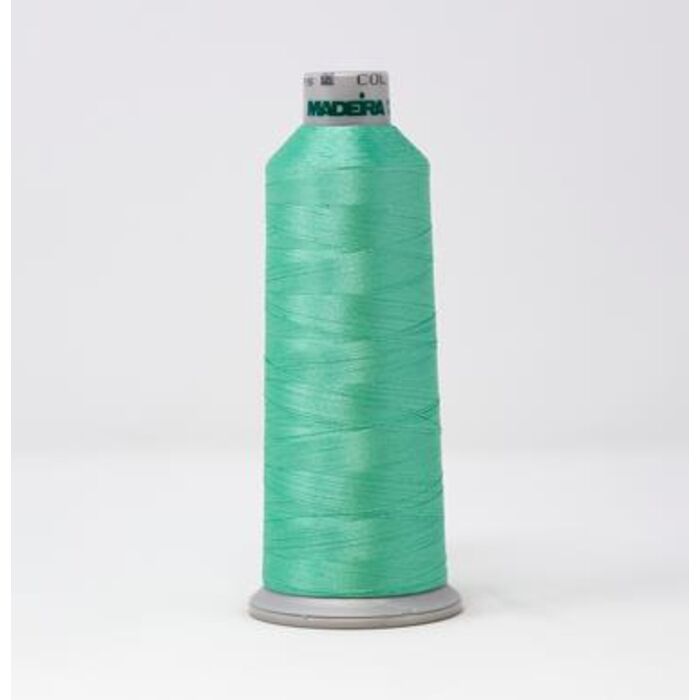
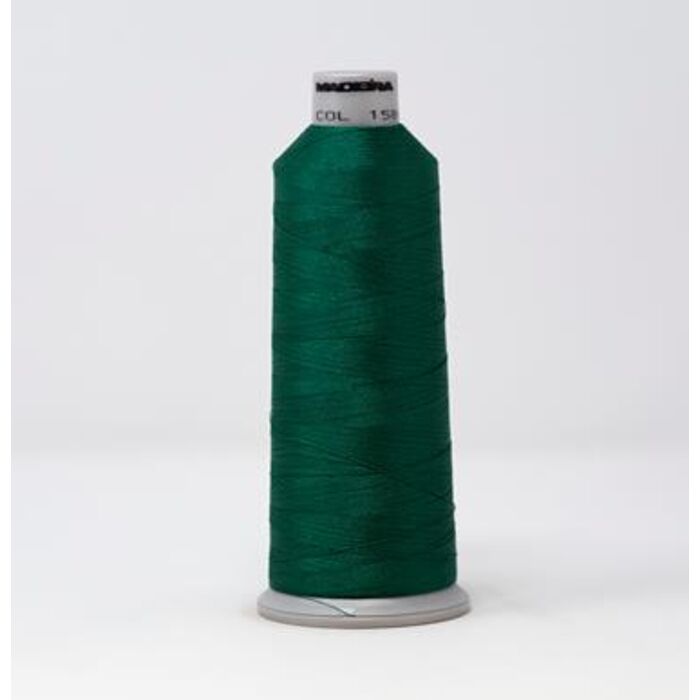
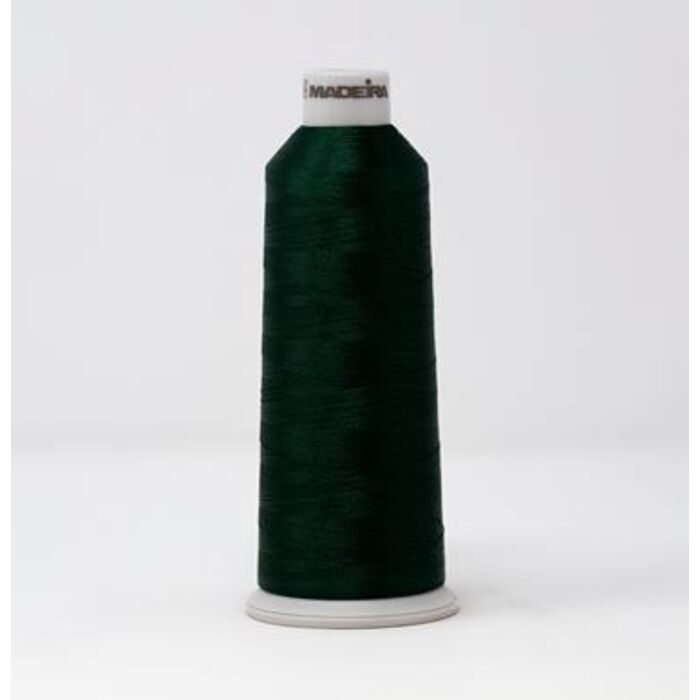
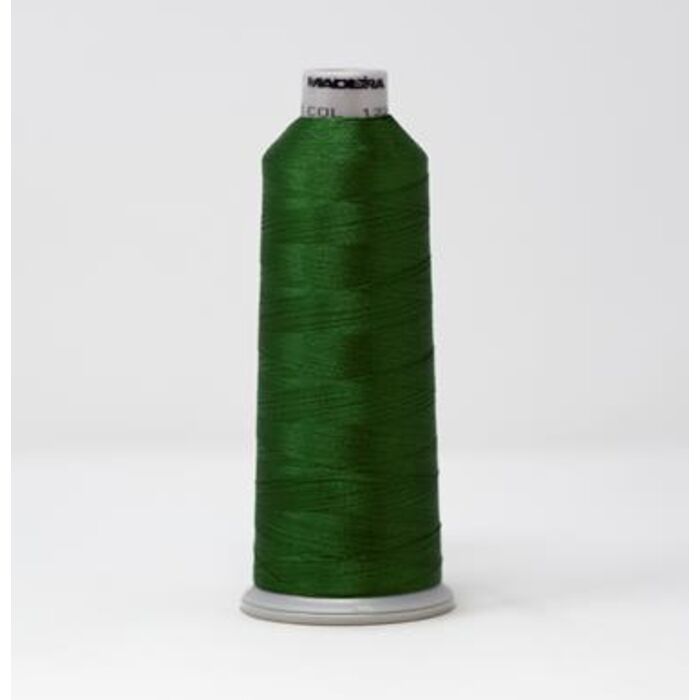
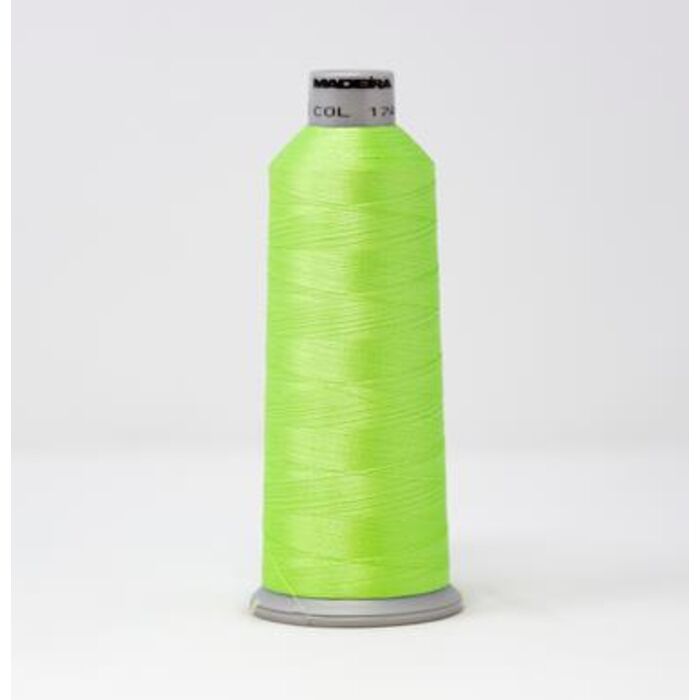
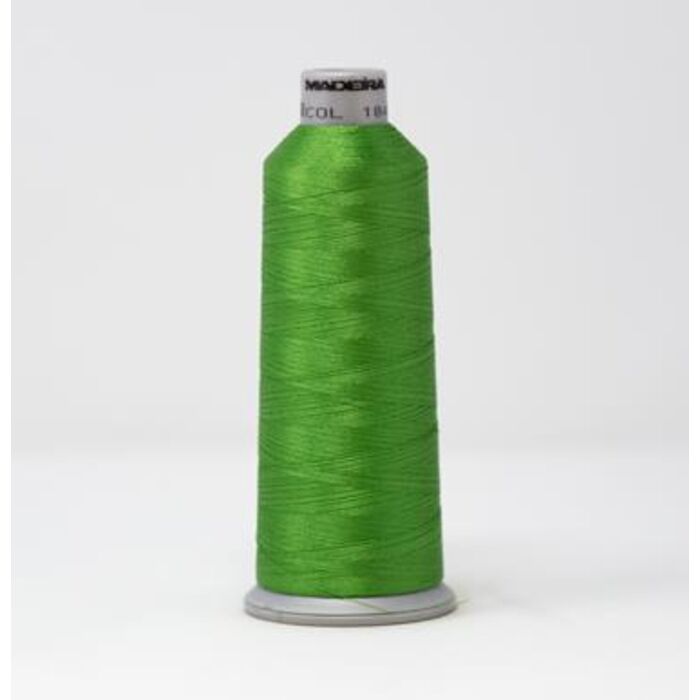
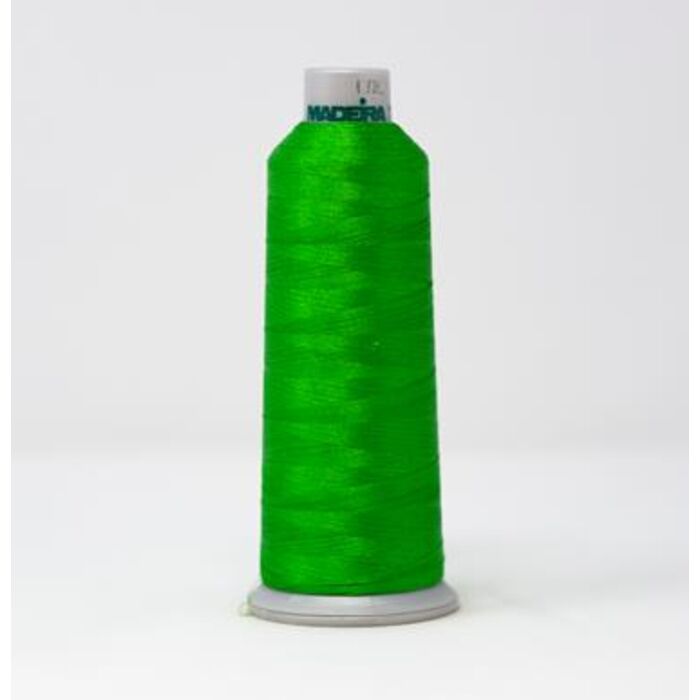
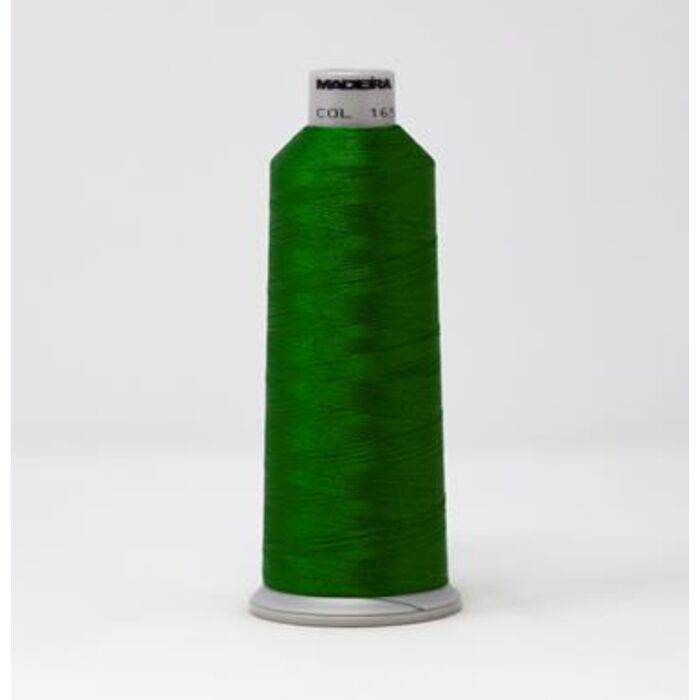
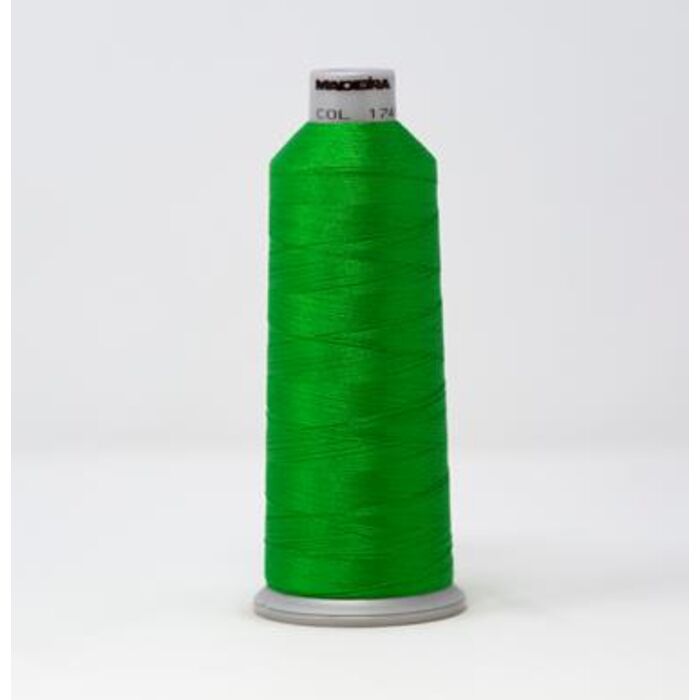
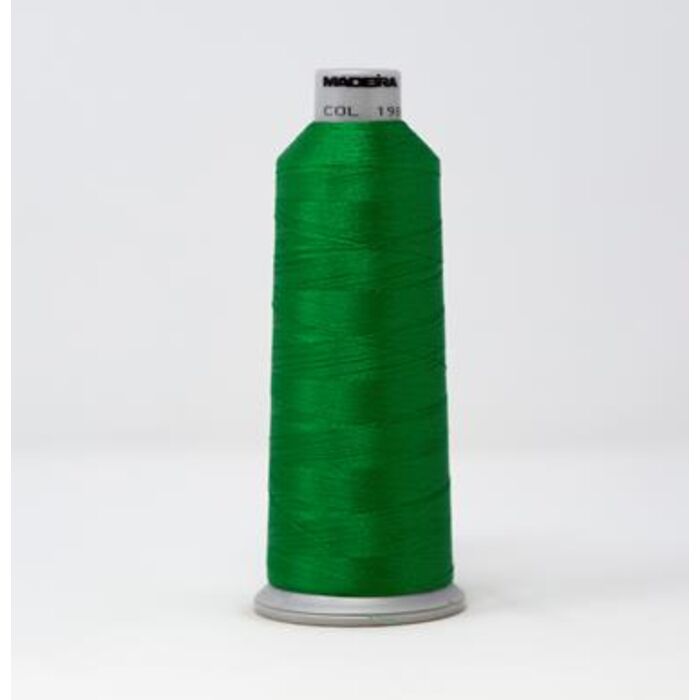
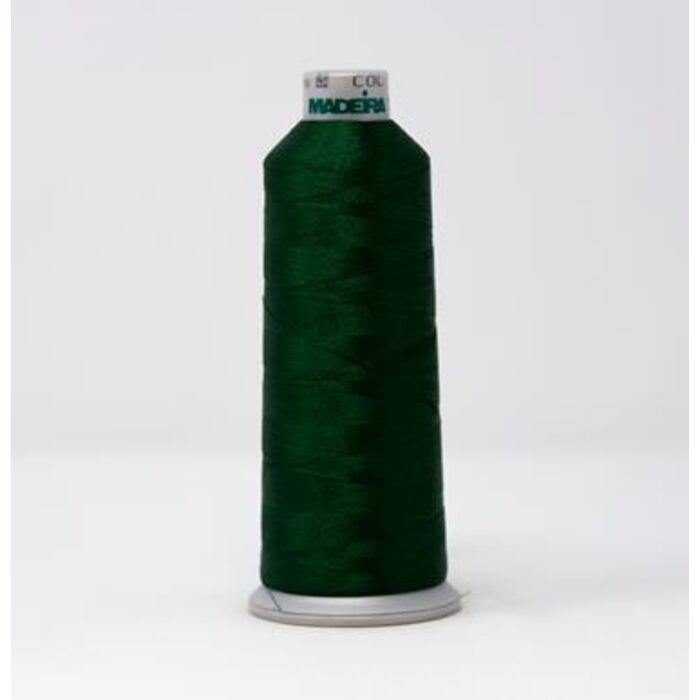
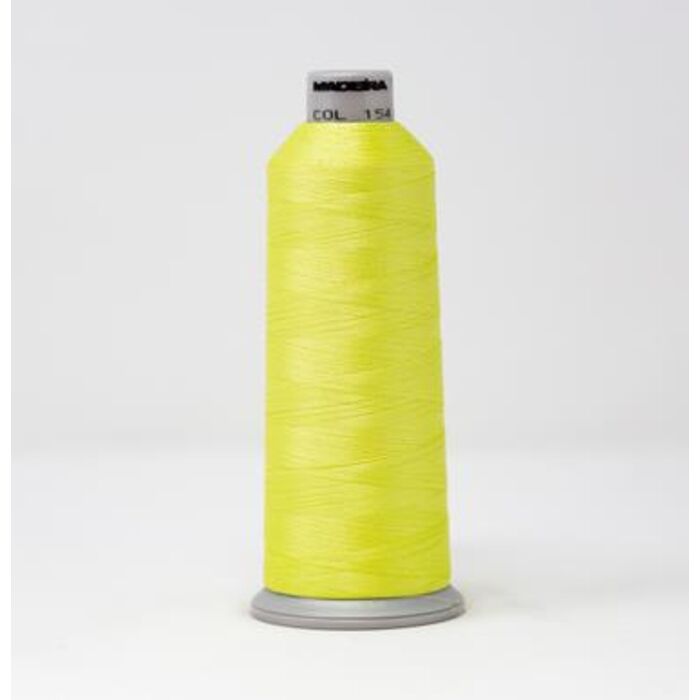
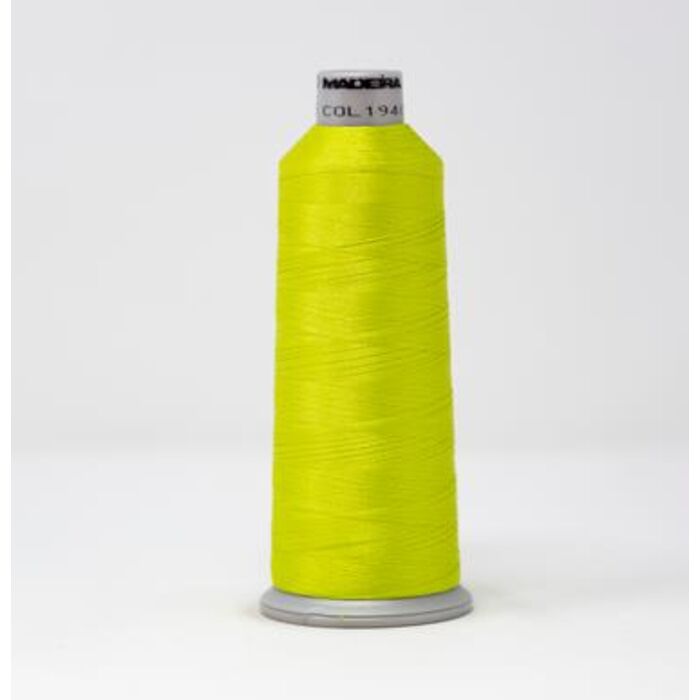
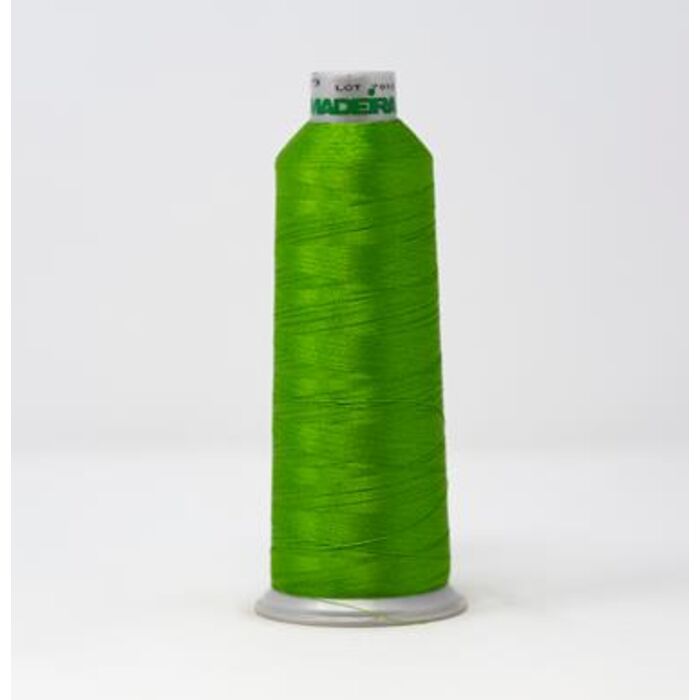
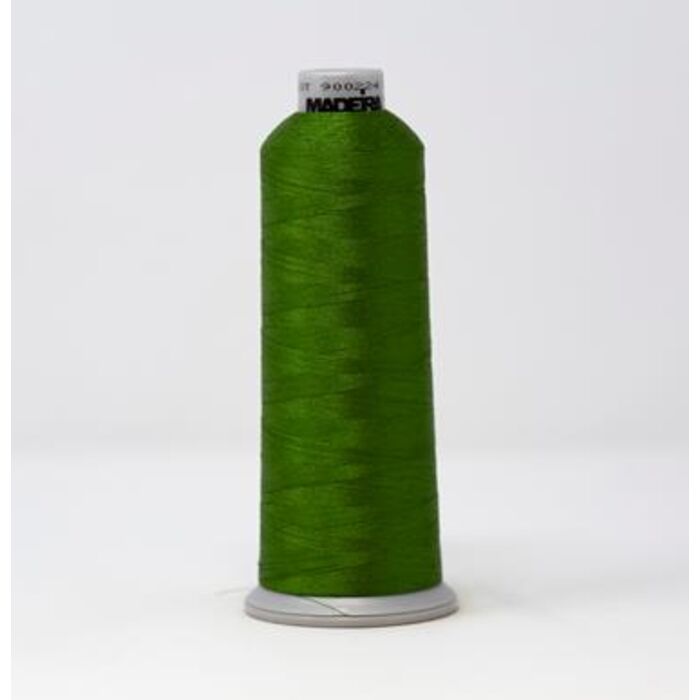
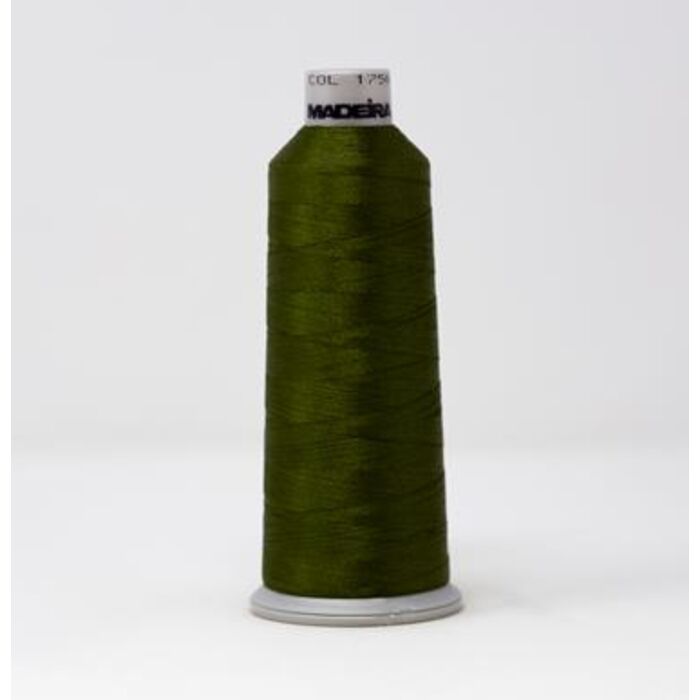
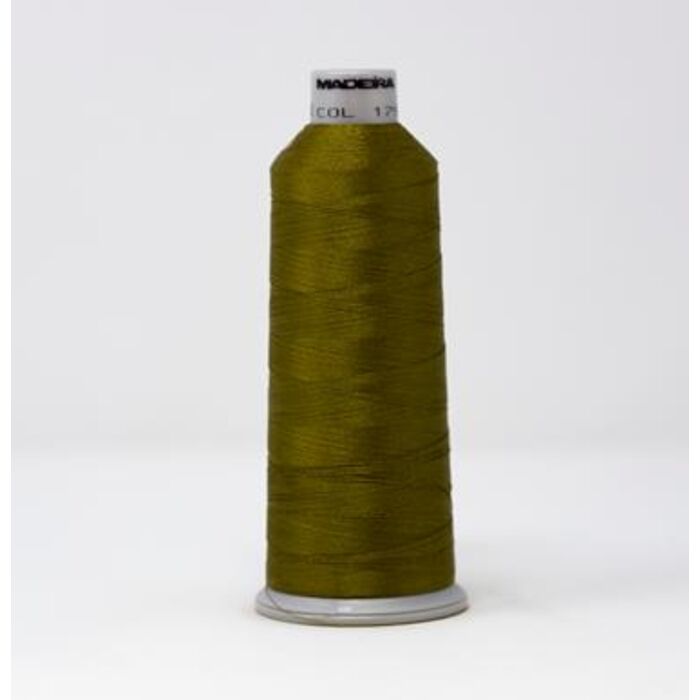
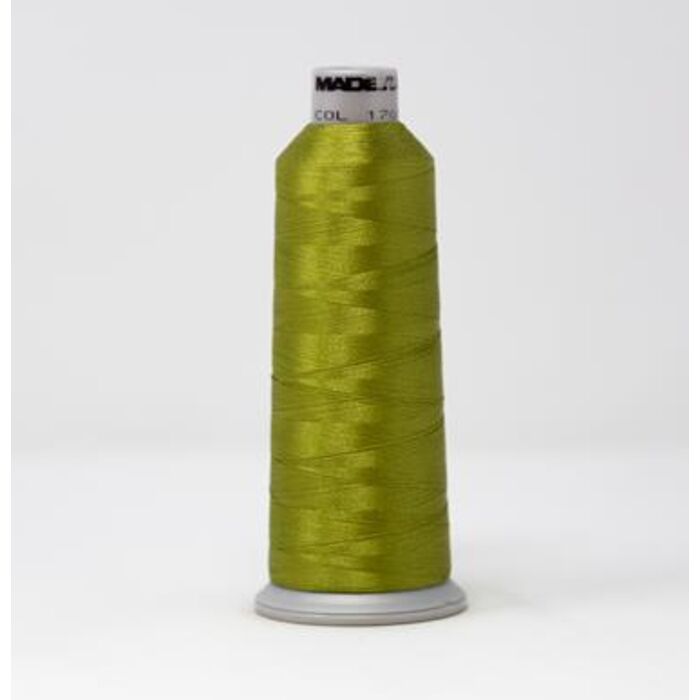
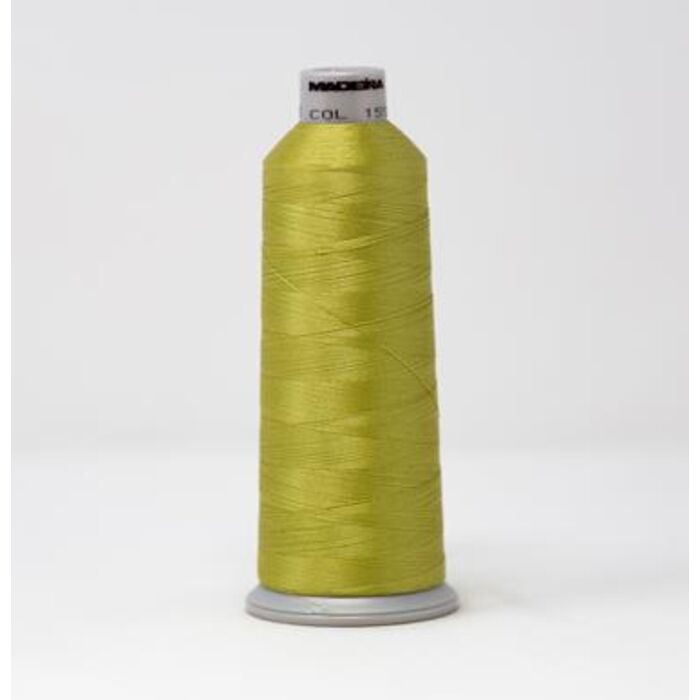
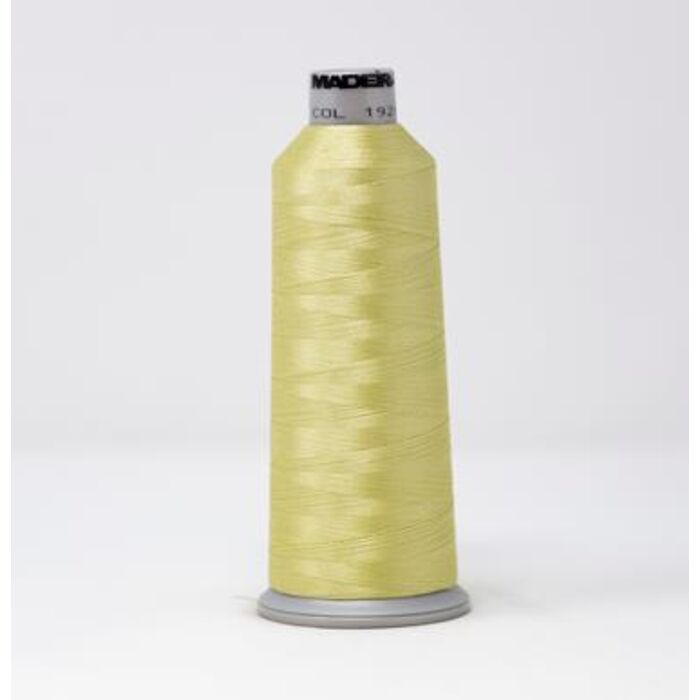
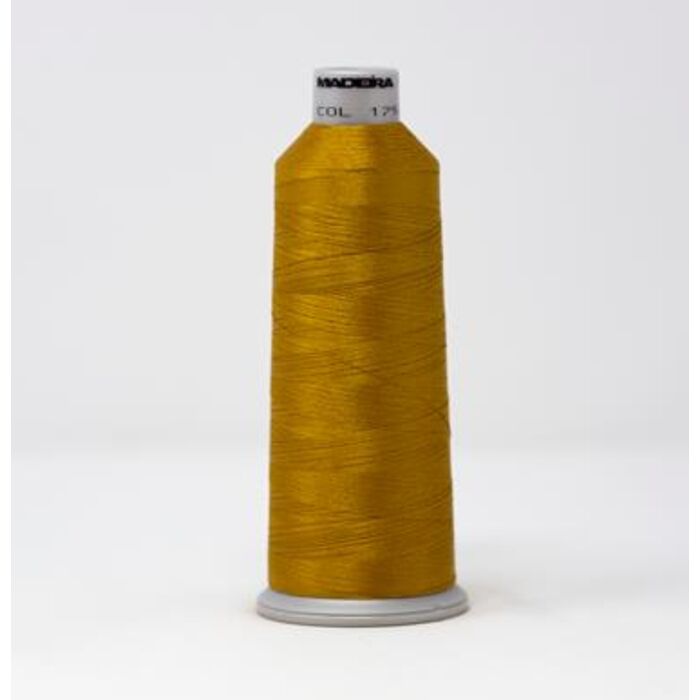
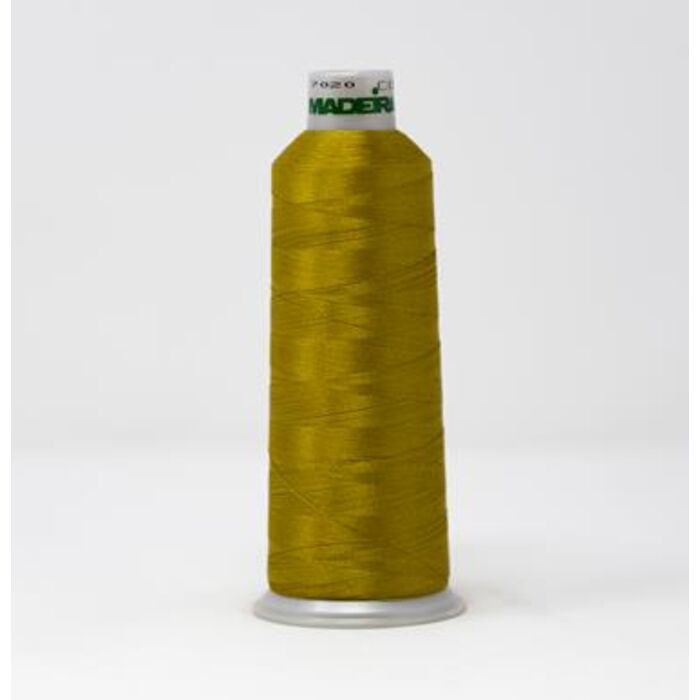
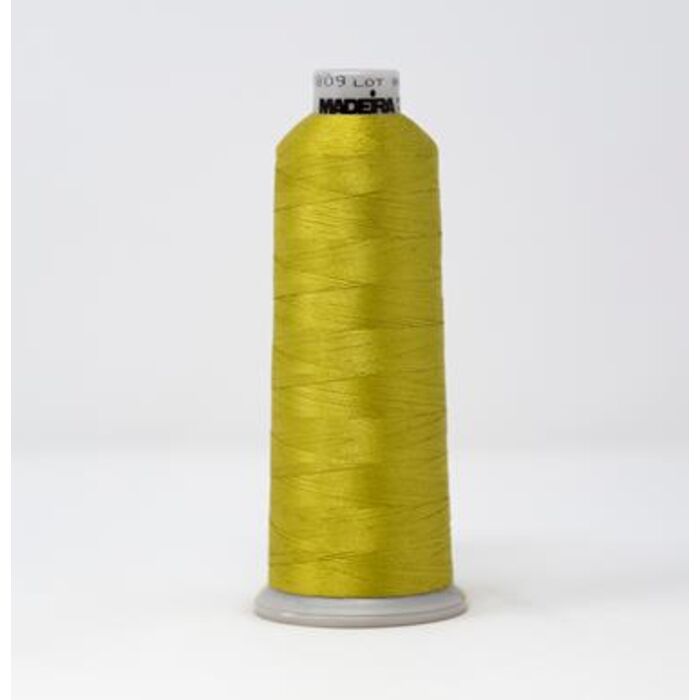
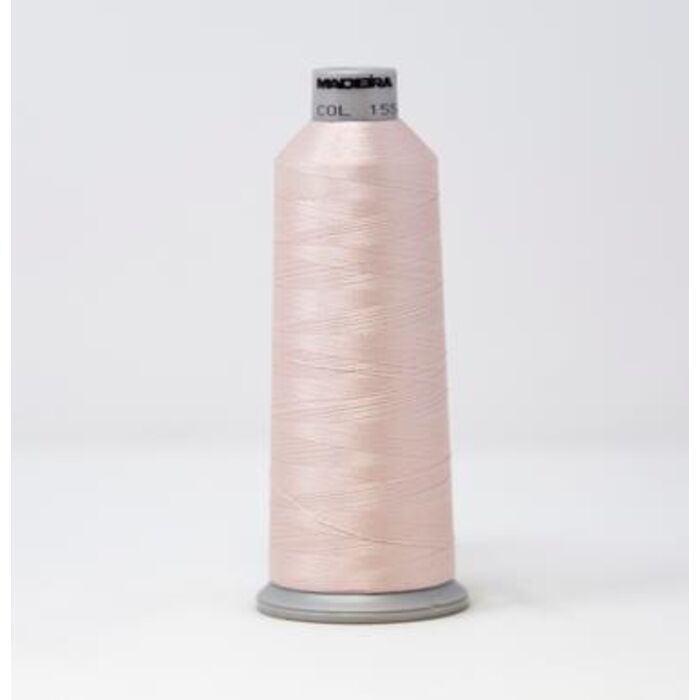
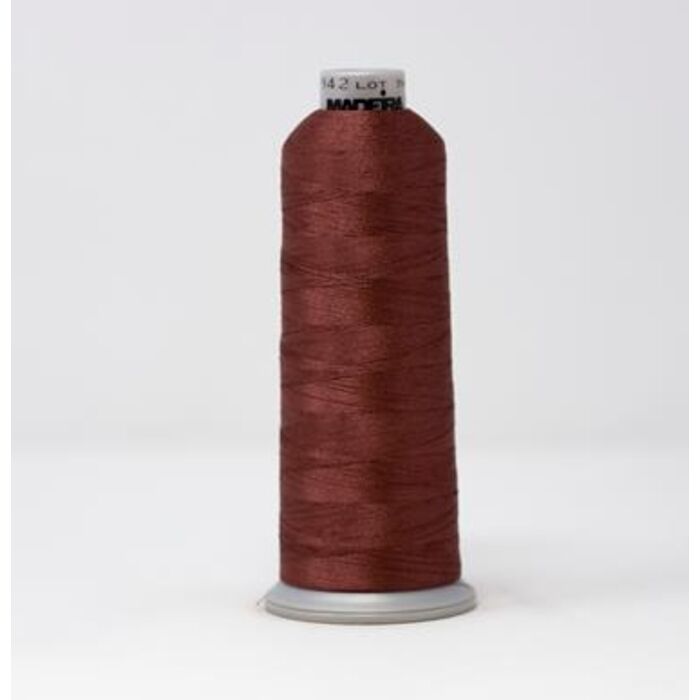
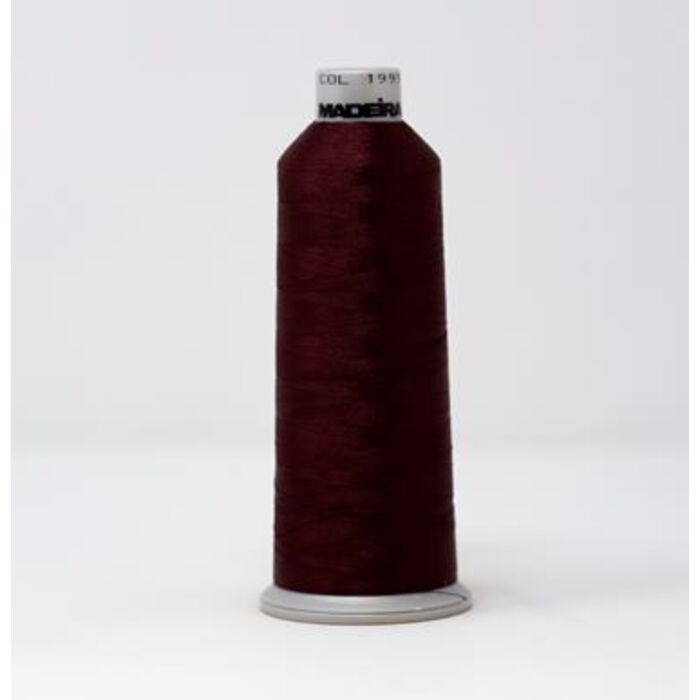
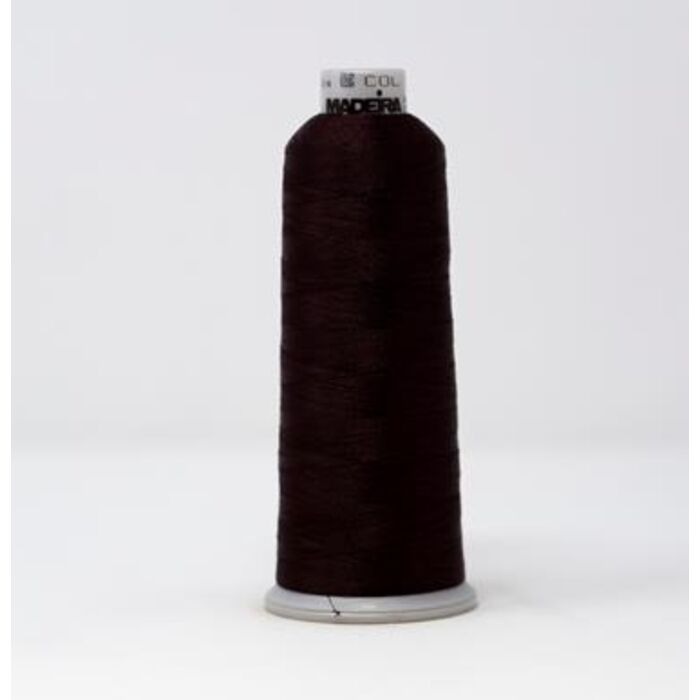
When a garment decorator must match a previously approved embroidery file, conversion charts support consistent reproduction without altering punch settings or stitch density. Thread numbers, color references, and finish descriptions allow operators to maintain visual identity across different thread brands. These conversions are commonly referenced during digitizing, purchasing, and re-run production cycles.
Color Continuity Across Repeat Orders
Embroidery clients expect accurate replication of brand identity and garment decoration. A reliable chart minimizes variation when new operators join the team, when supply chain delays occur, or when mills discontinue specific dye lots. Shops regularly validate color alignment under neutral lighting conditions and record thread mapping to digitizer notes.
Machine Compatibility Considerations
Isacord’s durable polyester filament resists abrasion and is compatible with high-speed embroidery equipment, while Madeira thread families offer sheen variations and dye formulas that pair well with athleticwear, corporate apparel, and promotional gear. Many commercial machines operate seamlessly with both, provided tensioning and needle profiles remain consistent.
Availability and Ordering
Buckets of Ink offers quick fulfillment on popular Isacord thread colors with commercial volumes available to meet production demand. Embroidery operators can also evaluate backup colors to support brand consistency when external purchasing constraints appear. Contact our support team to confirm availability and ensure compatibility with your current thread racks and digitizing profiles.
Understanding Conversion Accuracy
Conversion charts align approximate equivalents based on manufacturer data and industry observation. Shops should verify conversion selections by stitching controlled samples on the intended garment. Environmental lighting, thread tension, material composition, and stitch architecture all influence perceived brightness and saturation.
Workflow Notes for High-Volume Shops
Embroidery departments operating multiple presses benefit from cross-brand reference charts when training new operators or rerouting work to meet deadlines. Shops often log thread number equivalents inside their digitizer notes, job tickets, and sample binders to maintain brand fidelity.