From Plastisol to Water-Based and Specialty Systems
Your choice of ink determines everything downstream: mesh, squeegee, flash time, and cure temperature. At Buckets of Ink, our plastisol inks and water-based systems are tested for consistency, stretch, and durability. Our Wilflex Epic Rio lineup delivers brilliant color with low viscosity for smooth shearing through high mesh counts and reduced build-up on long runs.
Controlling Opacity and Hand Feel
Lower mesh counts in the 110–156 range maximize deposit and coverage on dark garments, while 180–230+ enhances detail. For soft-hand results, combine thinner deposits with soft bases and proper flash dwell. Keep blades sharp and flood pressure consistent with squeegees and handles that fit your press style.
Special Effects and Advanced Formulations
Specialty finishes such as puff, glitter, metallic, and glow-in-the-dark inks expand creative range while relying on the same fundamentals—mesh control, correct flash, and full through-film cure. Pair effects with emulsions that maintain stencil edge under higher viscosity or flake loads.
Curing, Flashing, and Quality Control
Always validate ink-film temperature rather than relying solely on dryer panels. Plastisol targets ~320°F, while water-based inks require full evaporation and binder coalescence. For precise results, explore flash dryers and conveyor systems that maintain consistent dwell and airflow.
Linked Tools and Supplies
Achieving clean, repeatable prints depends on more than ink alone. Pair each system with screens & mesh, on-press chemistry, and pallet tape to keep production steady and reclaim efficient. Browse equipment and emulsions to complete your workflow.
Consistent results start with reliable gear. Whether you’re burning screens, flashing underbases, or curing final prints, your equipment defines throughput and quality. Buckets of Ink provides curated exposure units, flash dryers, and conveyor systems suited for shops scaling from manual presses to automated workflows.
Exposure Units: Clarity from the First Screen
A solid stencil begins here. Match your emulsion to the UV source for predictable crosslinking. Modern LED exposure systems reduce heat, increase lifespan, and maintain vacuum contact for crisp shoulders and reduced undercutting. Keep coated screens dry and dark to maintain repeatable results.
Flash Dryers & Conveyor Systems
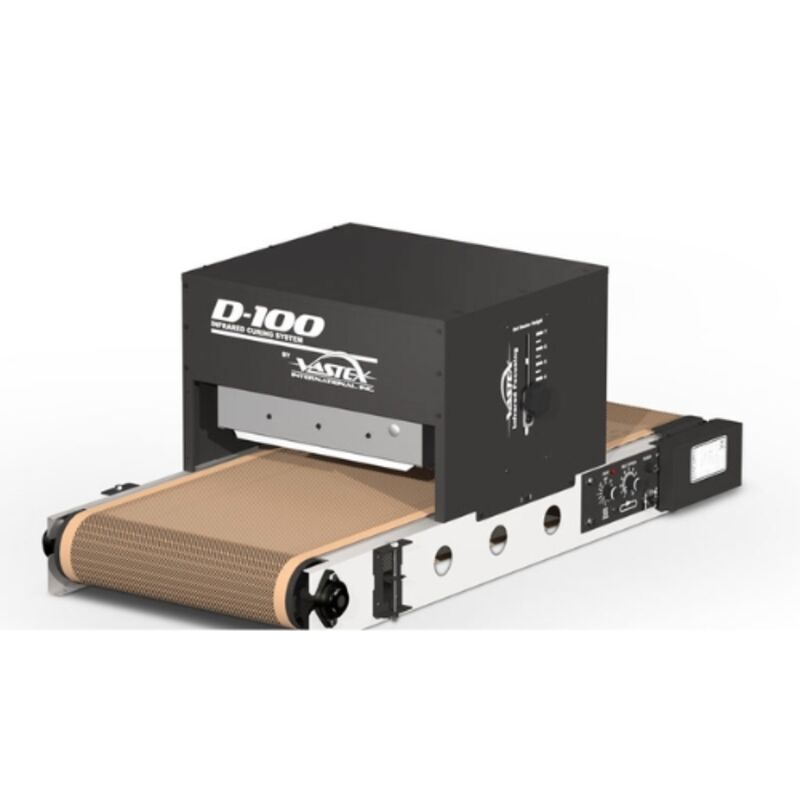
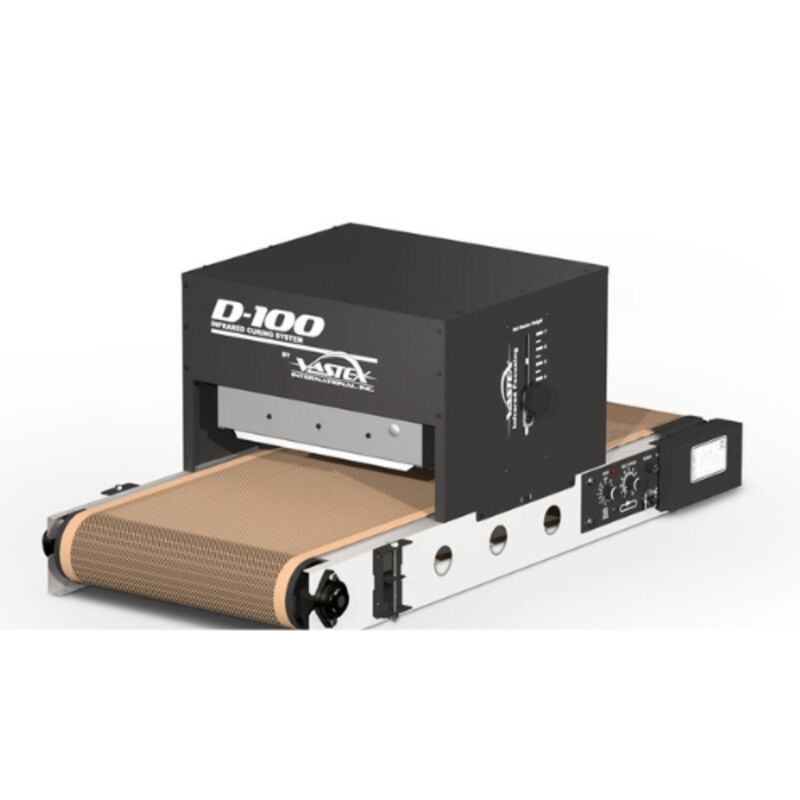
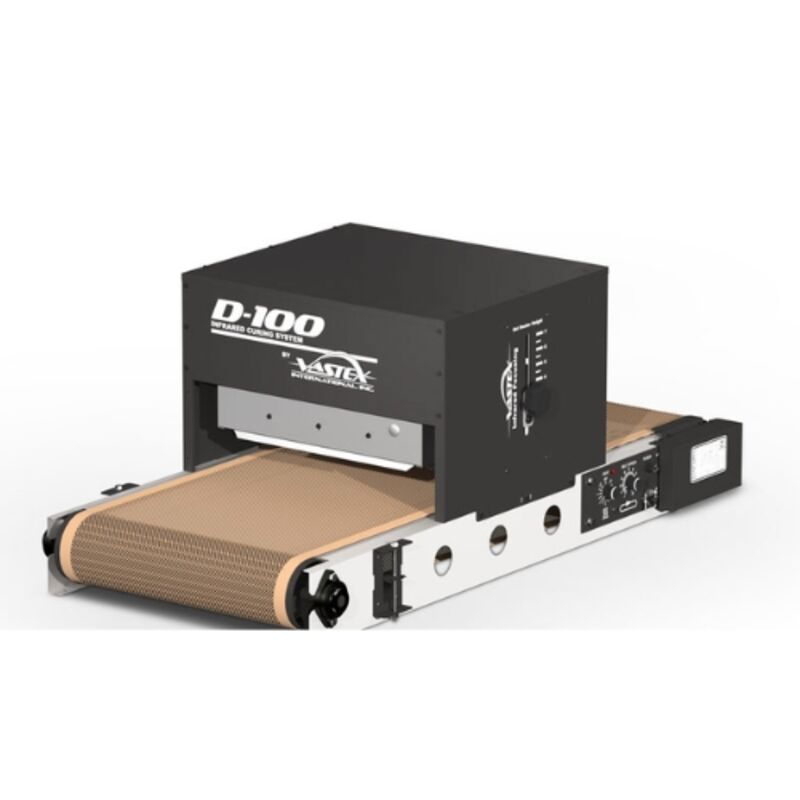
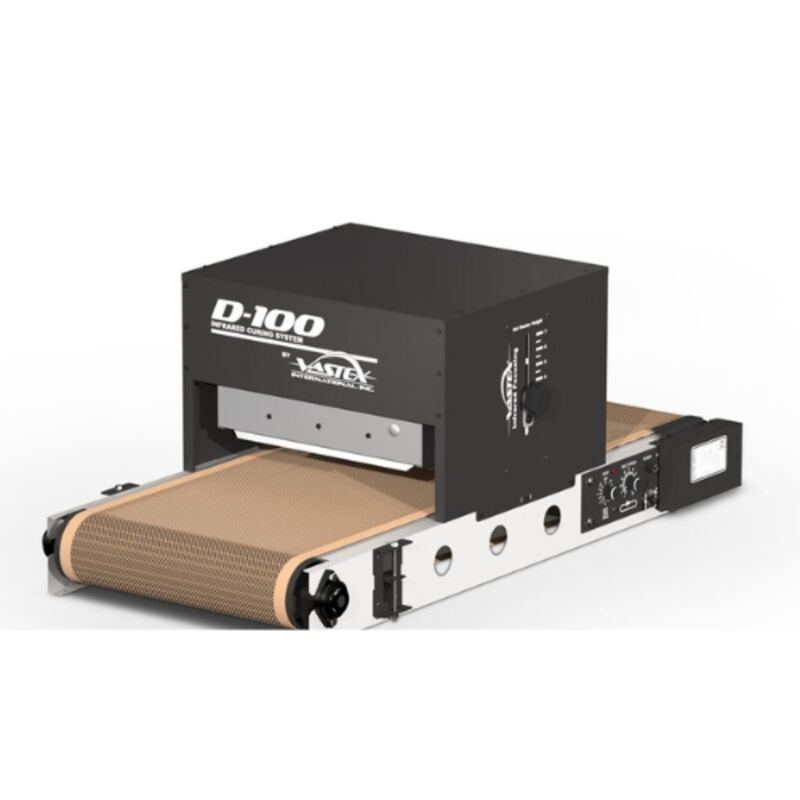
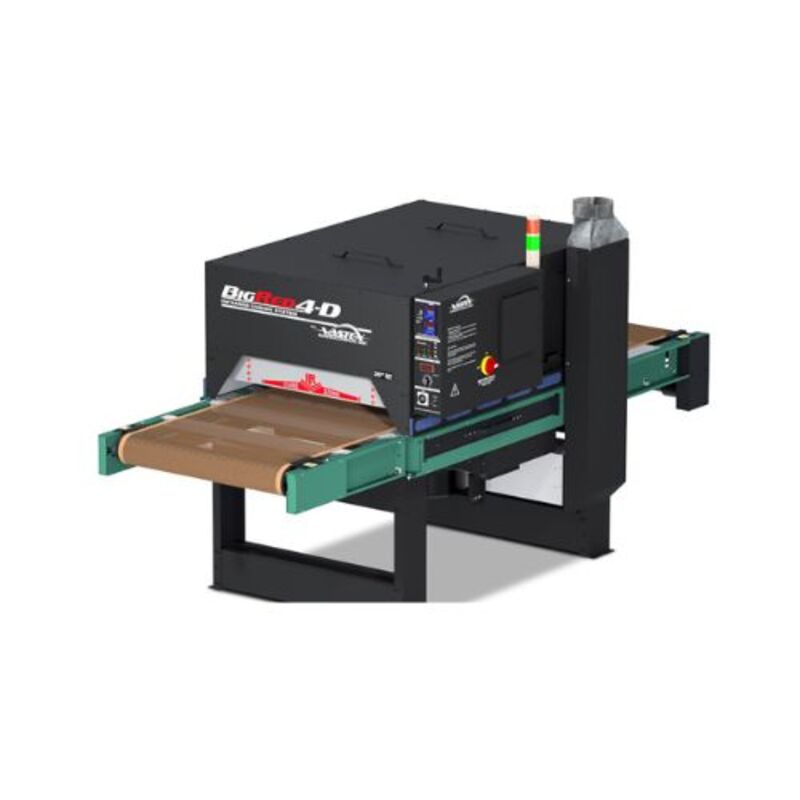
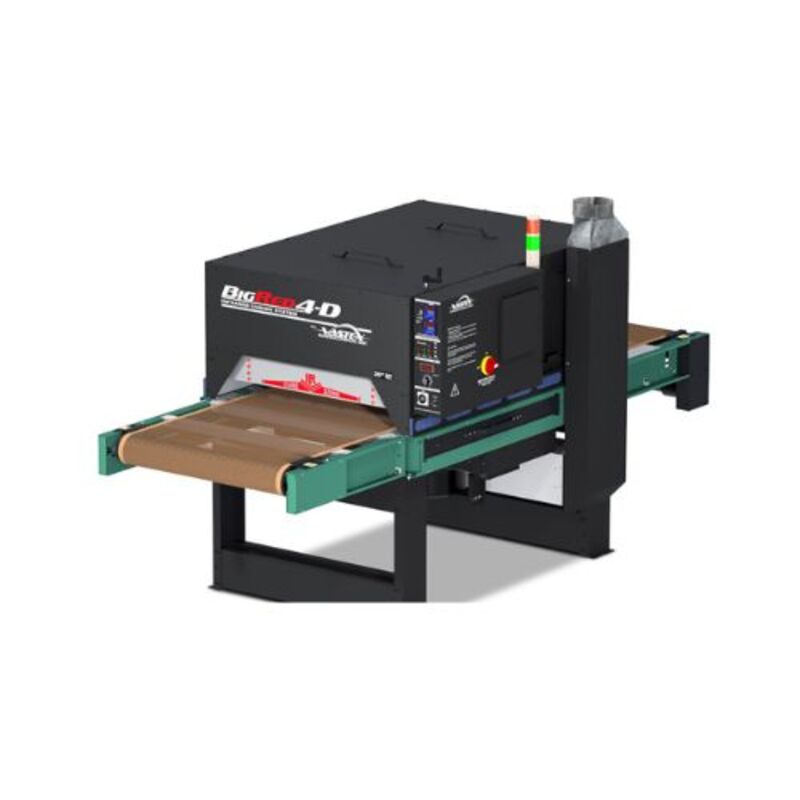
A flash station pre-gels underbases to support multi-color work, while conveyor dryers finalize cure. Verify ink-film temperature with thermochromic tape or probes. For consistency, align dwell time, belt speed, and airflow to your chosen plastisol inks or water-based systems.
Press Room Efficiency
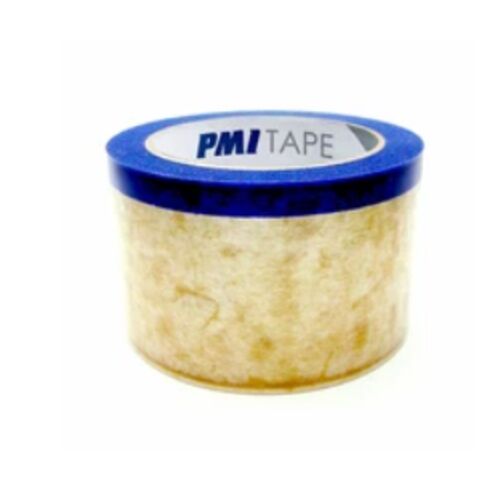
Standardize your squeegees & tools by durometer and blade profile. Use pallet tape for rapid color swaps and on-press cleaners to prevent buildup. A stable workflow saves hours per week and reduces fatigue.
Maintenance & Quality Checks
Inspect dryer belts for tracking, lubricate press bearings, and clean reflectors weekly. Document settings for each garment type. Combine preventive maintenance with standardized test prints using screens & mesh that hold consistent tension to minimize recalibration.
Integrated Workflow
A balanced print line links chemistry, screens, and curing. Combine inks, emulsions, and equipment that share proven compatibility. Keep an internal log of mesh count, stroke count, and dwell time to hit color targets repeatably.
Inks: Color Systems That Balance Opacity, Hand, and Throughput
Start with ink choice, because the formula dictates mesh, squeegee, flash strategy, and cure. Plastisol remains the most forgiving route to bright solids and consistent production on cotton and cotton/poly. Modern systems such as Wilflex Epic Rio deliver high‑chroma colors with RFU rheology that supports crisp type and smooth laydown. If breathability and matte finishes are priorities, switch to water‑based inks and plan for tighter control of humidity, mesh tension, and dryer airflow. Specialty effects—puff, glitter, metallic—are built on the same fundamentals: elevate film positives, choose the right mesh, and verify through‑film cure before a full run.
Practical Starting Points for Mesh and Squeegees
Lower mesh counts in the 110–156 range carry the deposit needed for spot colors and underbases, while 180–230+ enables halftones and fine detail. Pair mesh with squeegee durometer—60 for heavier deposits, 70/90/70 triple durometer for sharper edges—and maintain a steady flood/print cadence. Record variables such as stroke count, off‑contact, and squeegee angle to stabilize output across crews and shifts.
Curing: Ink‑Film Temperature Beats Panel Temperature
Whether you run a flash station for quick stacking or a conveyor dryer for final cure, measure the ink film, not just the dryer panel. Most plastisols aim near 320°F (160°C); water‑based inks demand a complete evaporative phase and adequate dwell to coalesce binders. Use probes or thermochromic indicators to validate through‑film temperature, then perform a controlled wash test before green‑lighting anything time‑sensitive.
Emulsions: Building Durable Stencils for Detail and Longevity
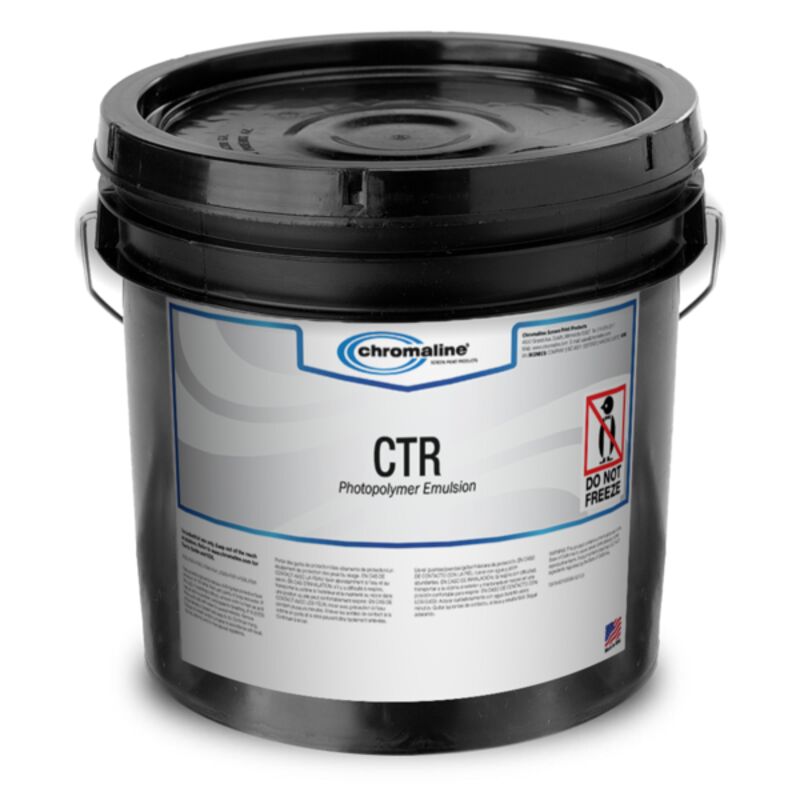
A reliable stencil protects edges, blocks pinholes, and survives water and ink shear. Dual‑cure and SBQ emulsions each have strengths. Dual‑cure offers broad latitude and solvent resistance. SBQ exposes faster and suits high‑throughput shops. Visit the emulsions spoke for coating guides and exposure tests that fit your unit, mesh, and humidity. Record coating methods—one‑over‑one, two‑over‑one—and track screen age to avoid surprises mid‑job.
Exposure Strategy and Quality Control
Run a step wedge whenever you change mesh, emulsion, or film. Look for crisp shoulders and full crosslinking that withstands press wash and tape pulls. Keep coated screens dry and dark, and cycle bulbs before their rated end‑of‑life to sustain predictable exposure times. On the equipment page, explore exposure units that maintain vacuum contact and consistent UV distribution.
Screens & Mesh: Balancing Opacity, Detail, and Feel
Screen tension, mesh count, and thread diameter all influence how ink passes. Pre‑stretched frames minimize variance if you do not own a stretcher. Visit screens & mesh to select counts for solids, halftones, and metallics. Inspect for burrs and deflection, and replace fatigued screens that refuse to hold tension. Dialing mesh is the fastest way to upgrade print feel without sacrificing opacity.
On‑Press Tools and Squeegees
Squeegee choice determines how consistently ink shears through the stencil. Keep blades sharp, rotate them on a schedule, and store flat to avoid warping. Explore squeegees and tool options that fit your press, from aluminum handles to pre‑angle systems that simplify operator training.
Chemistry: Reclaim, On‑Press Cleaning, and Preventive Care
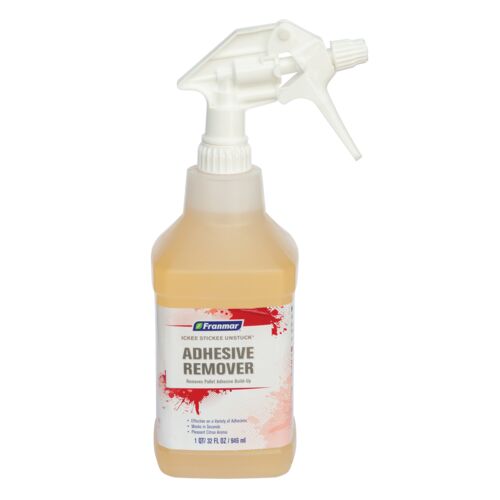
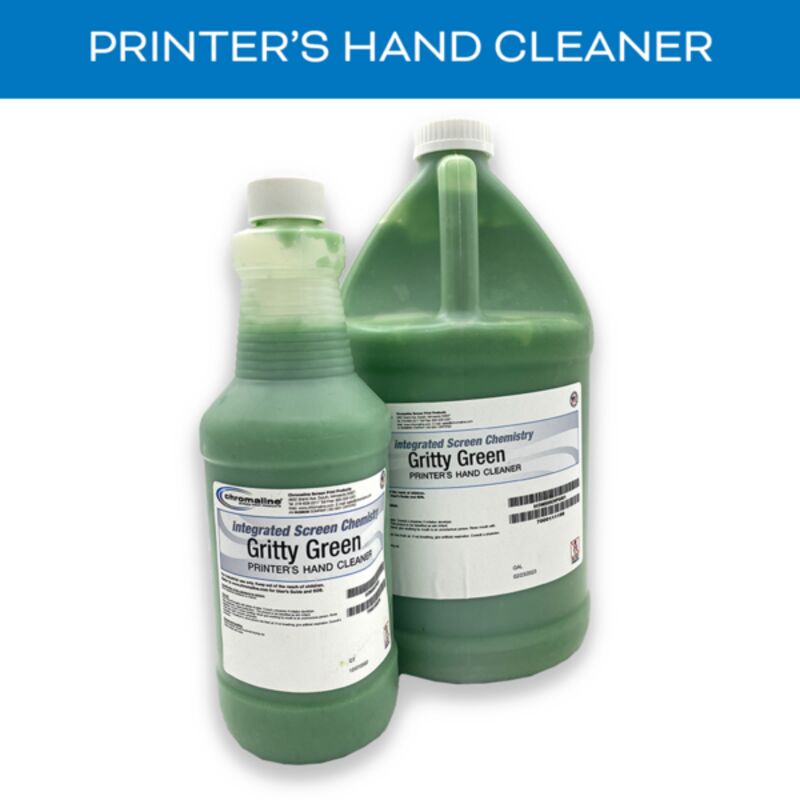
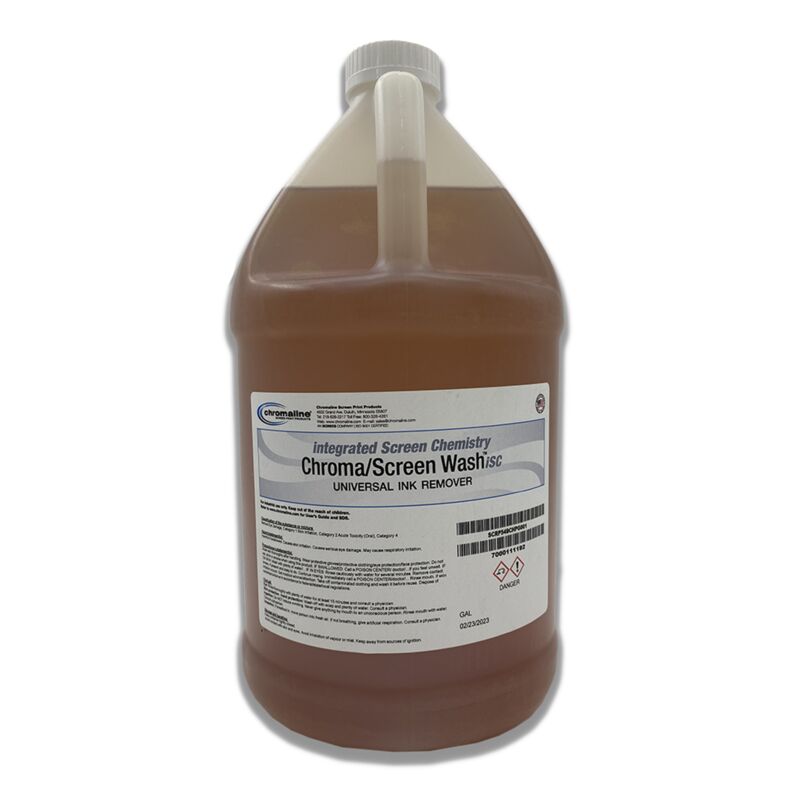
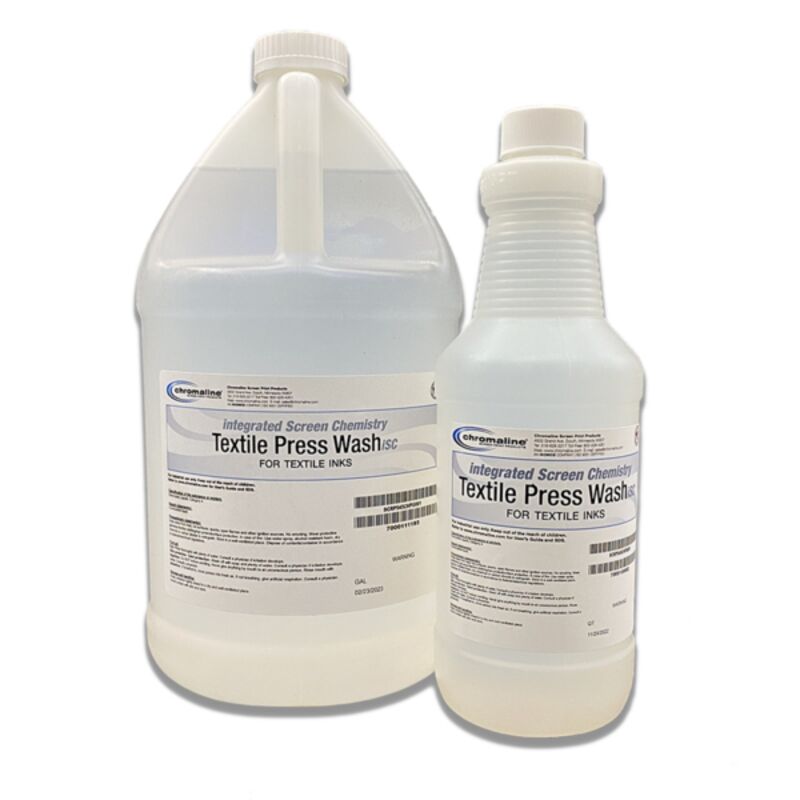
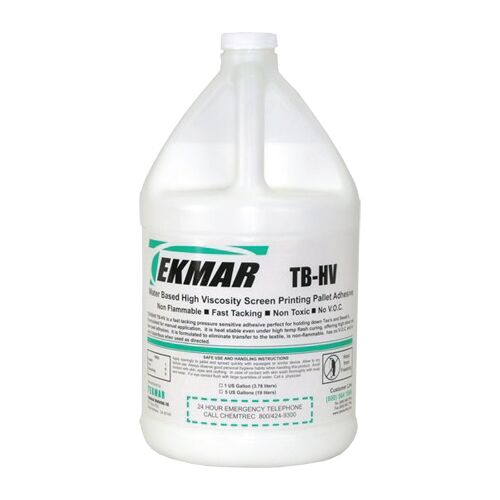
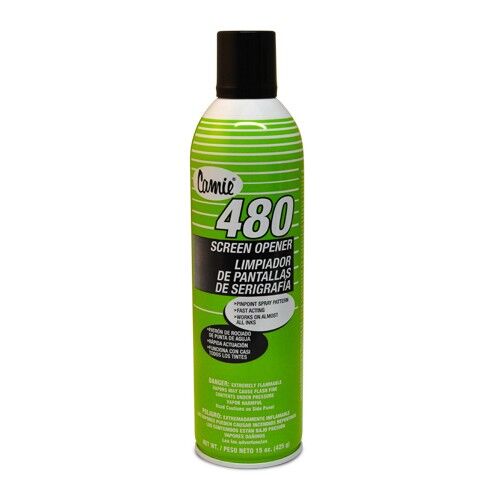
Efficient reclaim saves labor and protects expensive mesh. Start with an ink degrader to loosen deposits, follow with emulsion remover and dehazer, then degrease thoroughly. On press, use curable reducer thoughtfully, wipe squeegees and floodbars between colors, and protect pallets with pallet tape to keep adhesive and lint under control.
Tape, Adhesives, and Registration Aids
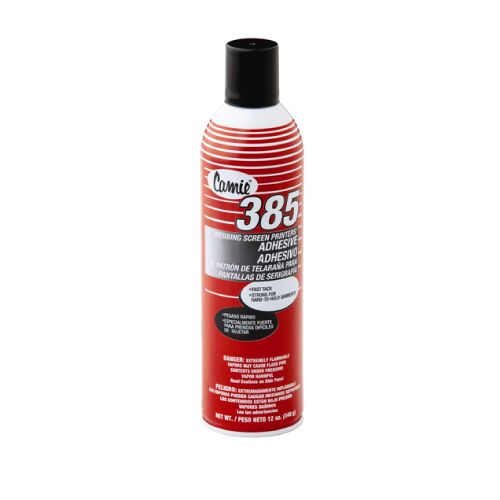
Clean separations deserve clean edges. Use high‑tack blockout where needed, and maintain pallets with spray or roll‑on adhesive matched to your garment weight and dryer dwell. Explore tape & adhesives to stabilize your workflow and reduce rework.
Equipment: Exposure to Cure with Fewer Variables
Good gear minimizes guesswork. Exposure units with reliable vacuum frames and even UV lay down durable stencils. Flash dryers should pre‑gel underbases without cooking top colors. Conveyor dryers need consistent airflow and belt tracking for stable dwell. Visit equipment to compare options that match your space and throughput targets.
Quality Control: From First Shirt to Final Box
Establish sign‑off checkpoints: first article approval, mid‑run probe, and end‑of‑run wash test. Document garment brand, mesh, stroke counts, temperatures, and ink lots so repeat orders hit the same target. Use standardized lighting to evaluate color and keep a physical draw‑down library for brand matches.
Troubleshooting: Fast Fixes That Save a Shift
If edges feather, check squeegee hardness and off‑contact. If prints feel rough, evaluate mesh, pressure, and check for lint trapped in the film. For dye migration on poly, choose a low‑bleed underbase and confirm dryer temp. When top colors look dull, test deposit by stepping down squeegee pressure or moving to lower mesh on the affected color while maintaining detail on others.
Workflow: Setup, Registration, and Changeovers
Organize jobs by ink system and mesh to reduce screen swaps. Stage coated, fully dry screens near the press. Use pallet tape to speed changeovers and track squeegees by durometer so operators always begin with the correct tool. Keep a “strike‑off” cart by the dryer to catch early defects before they fill the table.
Purchasing Strategy: Sizes, Colors, and Lead Times
Stock gallons for standard brand palettes and quarts for seasonal or specialty prints. When a color moves from trial to program, scale into 5‑gallon pails to reduce mid‑run refills. For replenishment, build a reorder matrix tied to upcoming events and core garments to ensure ink lots and emulsions are fresh when you need them.
Buckets of Ink ships nationwide with practical support at every step. If you are aligning a new brand palette, scaling production for an event, or tuning cure profiles for mixed garments, our team can help select inks, emulsions, mesh, and equipment that match your throughput and budget.








































































































![BR4D-V30-Infrared Conveyor Dryers-BigRed 4D [Add-On Cubes] -BigRed4D-V30 Cube Only Thumbnail](/ssc/i/blank_product_listing_image_quality/107680936/800/800/FFFFFF/0/0/0/0/product.jpg?1745468677 "BR4D-V30-Infrared Conveyor Dryers-BigRed 4D [Add-On Cubes] -BigRed4D-V30 Cube Only BR4D-V30")
![BR4D-V54-Infrared Conveyor Dryers-BigRed 4D [Add-On Cubes] -BigRed4D-V54 Cube Only Thumbnail](/ssc/i/blank_product_listing_image_quality/107680956/800/800/FFFFFF/0/0/0/0/product.jpg?1745468621 "BR4D-V54-Infrared Conveyor Dryers-BigRed 4D [Add-On Cubes] -BigRed4D-V54 Cube Only BR4D-V54")
![SH-347-240-Infrared Conveyor Dryers-BigRed 4D [Add-On Cubes] -OPTIONAL - Side Heater Assembly Thumbnail](/ssc/i/blank_product_listing_image_quality/107680971/800/800/FFFFFF/0/0/0/0/product.jpg?1745468734 "SH-347-240-Infrared Conveyor Dryers-BigRed 4D [Add-On Cubes] -OPTIONAL - Side Heater Assembly SH-347-240")


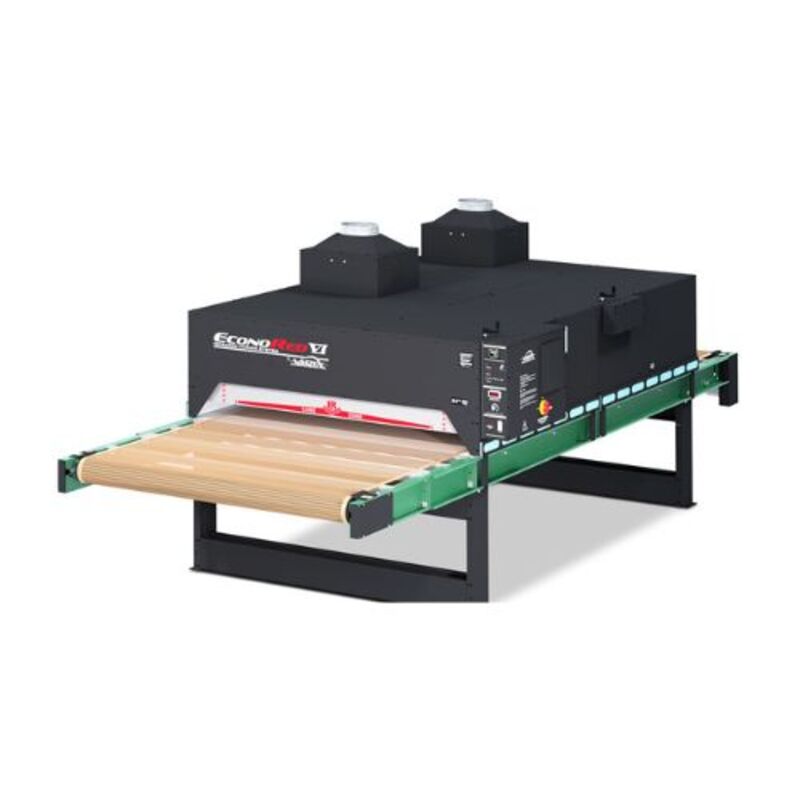

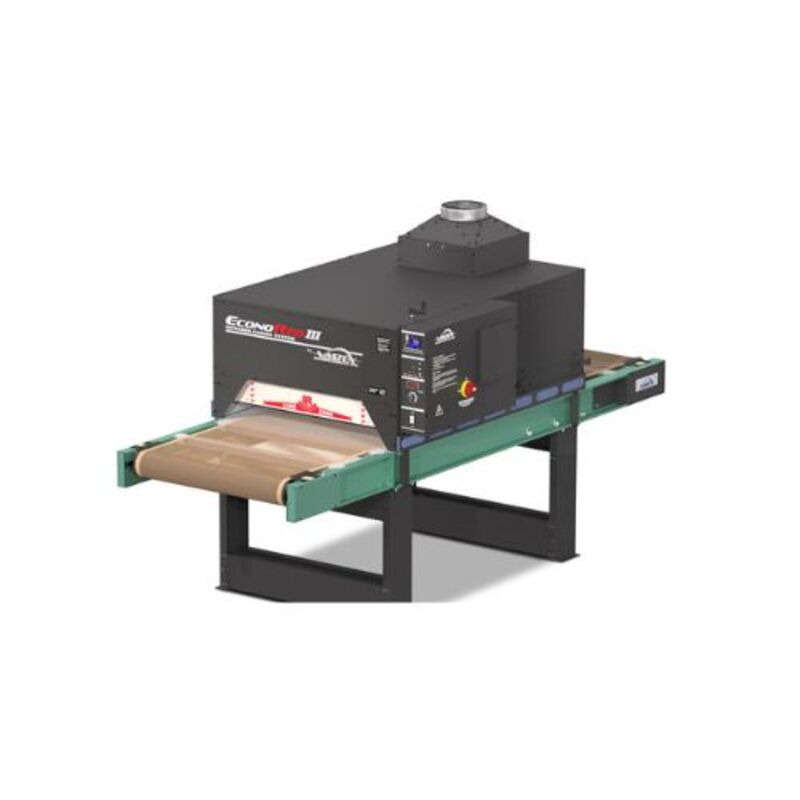
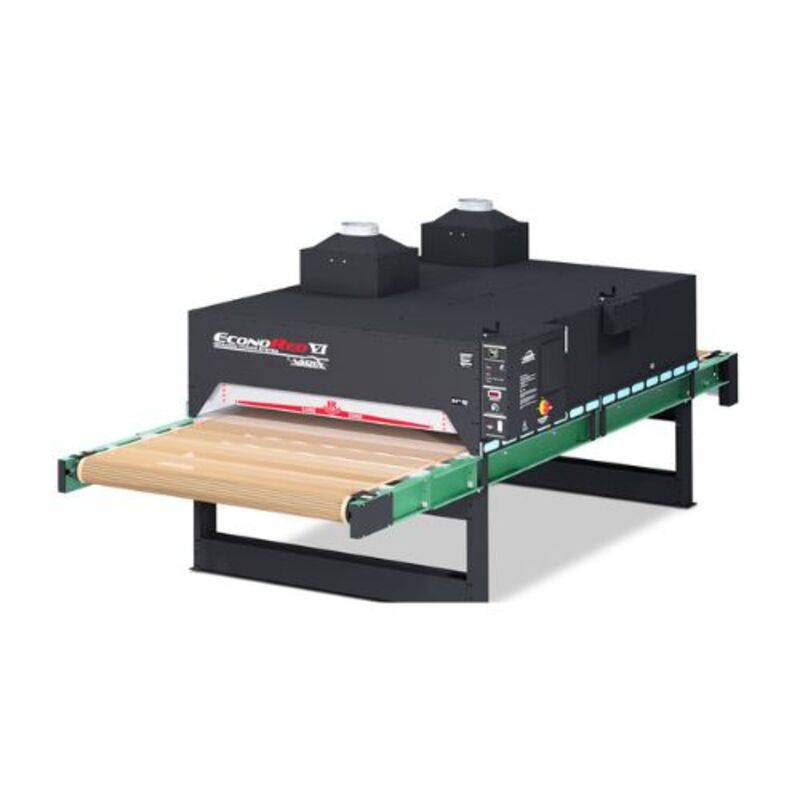

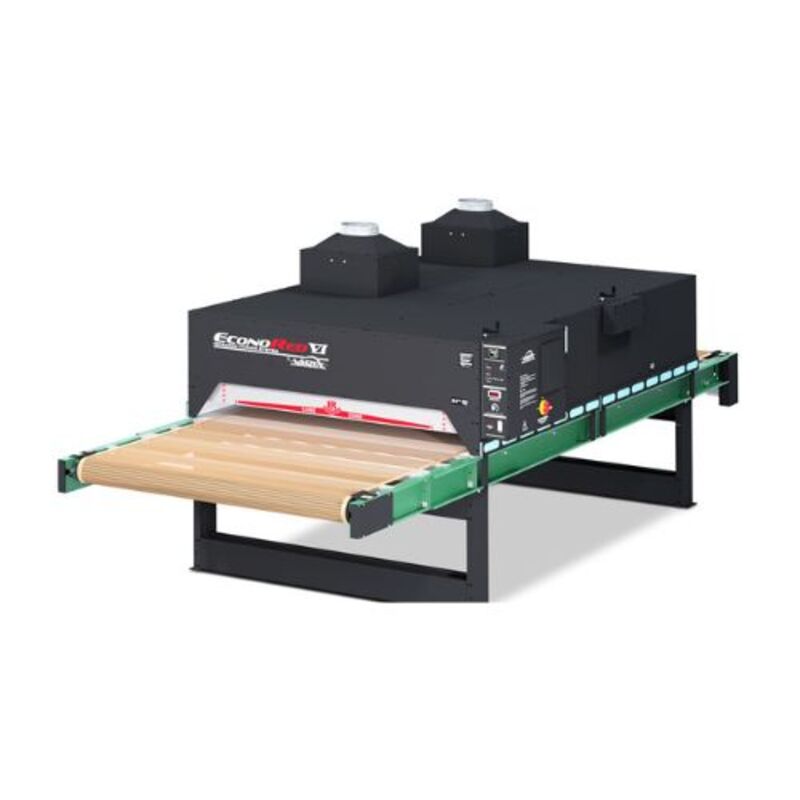
![ER-II-30-Infrared Conveyor Dryers-EconoRed II, III & VI [Add-On Cubes]-EconoRed-II-30 Cube Thumbnail](/ssc/i/blank_product_listing_image_quality/107681266/800/800/FFFFFF/0/0/0/0/product.jpg?1745468815 "ER-II-30-Infrared Conveyor Dryers-EconoRed II, III & VI [Add-On Cubes]-EconoRed-II-30 Cube ER-II-30")
![ER-III-30-Infrared Conveyor Dryers-EconoRed II, III & VI [Add-On Cubes]-EconoRed-III-30 Cube Thumbnail](/ssc/i/blank_product_listing_image_quality/107681296/800/800/FFFFFF/0/0/0/0/product.jpg?1745468868 "ER-III-30-Infrared Conveyor Dryers-EconoRed II, III & VI [Add-On Cubes]-EconoRed-III-30 Cube ER-III-30")
![ER-VI-30-Infrared Conveyor Dryers-EconoRed II, III & VI [Add-On Cubes]-EconoRed-VI-30 Cube Thumbnail](/ssc/i/blank_product_listing_image_quality/107681306/800/800/FFFFFF/0/0/0/0/product.jpg?1745469011 "ER-VI-30-Infrared Conveyor Dryers-EconoRed II, III & VI [Add-On Cubes]-EconoRed-VI-30 Cube ER-VI-30")
![ER-II-54-Infrared Conveyor Dryers-EconoRed II, III & VI [Add-On Cubes]-EconoRed-II-54 Cube Thumbnail](/ssc/i/blank_product_listing_image_quality/107681321/800/800/FFFFFF/0/0/0/0/product.jpg?1745469122 "ER-II-54-Infrared Conveyor Dryers-EconoRed II, III & VI [Add-On Cubes]-EconoRed-II-54 Cube ER-II-54")
![ER-III-54-Infrared Conveyor Dryers-EconoRed II, III & VI [Add-On Cubes]-EconoRed-III-54 Cube Thumbnail](/ssc/i/blank_product_listing_image_quality/107681341/800/800/FFFFFF/0/0/0/0/product.jpg?1745469229 "ER-III-54-Infrared Conveyor Dryers-EconoRed II, III & VI [Add-On Cubes]-EconoRed-III-54 Cube ER-III-54")
![ER-VI-54-Infrared Conveyor Dryers-EconoRed II, III & VI [Add-On Cubes]-EconoRed-VI-54 Cube Thumbnail](/ssc/i/blank_product_listing_image_quality/107681371/800/800/FFFFFF/0/0/0/0/product.jpg?1745469318 "ER-VI-54-Infrared Conveyor Dryers-EconoRed II, III & VI [Add-On Cubes]-EconoRed-VI-54 Cube ER-VI-54")
![ER-III-78-Infrared Conveyor Dryers-EconoRed II, III & VI [Add-On Cubes]-EconoRed-III-78 Thumbnail](/ssc/i/blank_product_listing_image_quality/107681386/800/800/FFFFFF/0/0/0/0/product.jpg?1745469507 "ER-III-78-Infrared Conveyor Dryers-EconoRed II, III & VI [Add-On Cubes]-EconoRed-III-78 ER-III-78")
![ER-VI-78-480-Infrared Conveyor Dryers-EconoRed II, III & VI [Add-On Cubes]-EconoRed-VI-78 Thumbnail](/ssc/i/blank_product_listing_image_quality/107681401/800/800/FFFFFF/0/0/0/0/product.jpg?1745469584 "ER-VI-78-480-Infrared Conveyor Dryers-EconoRed II, III & VI [Add-On Cubes]-EconoRed-VI-78 ER-VI-78-480")
















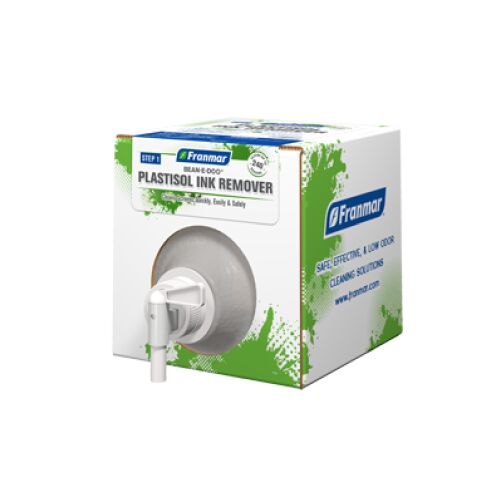


![On Press Color Change Plastisol Ink Remover 5 Gallon [CLEARANCE] Thumbnail](/ssc/i/blank_product_listing_image_quality/83488677/500/500/FFFFFF/0/1/0/0/product.jpg?1787754826 "Franmar Chemicals On Press Color Change Plastisol Ink Remover 5 Gallon [CLEARANCE] FSPCC5GEAWDT1")