




























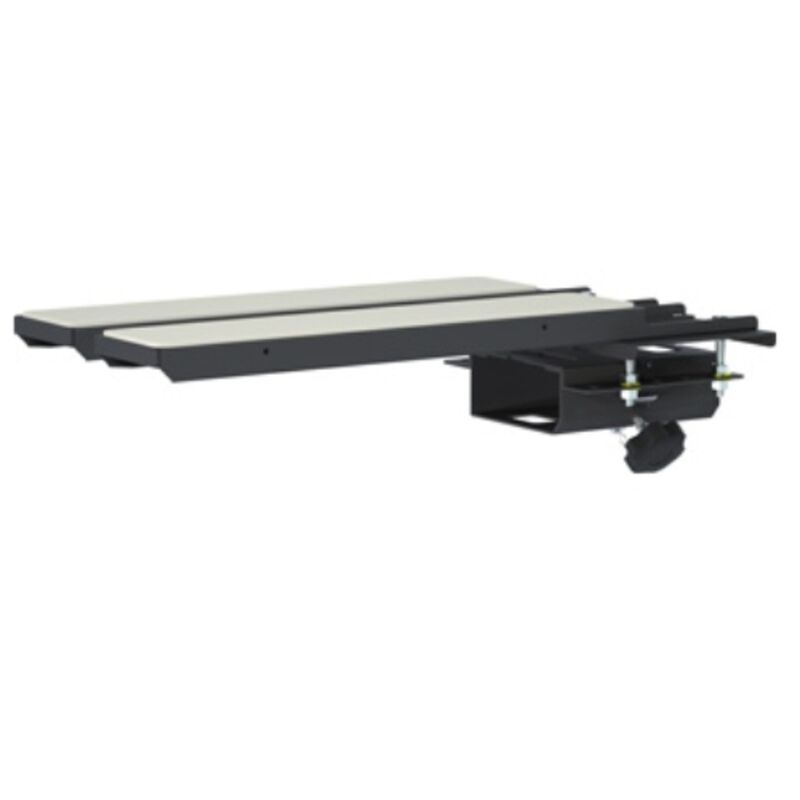
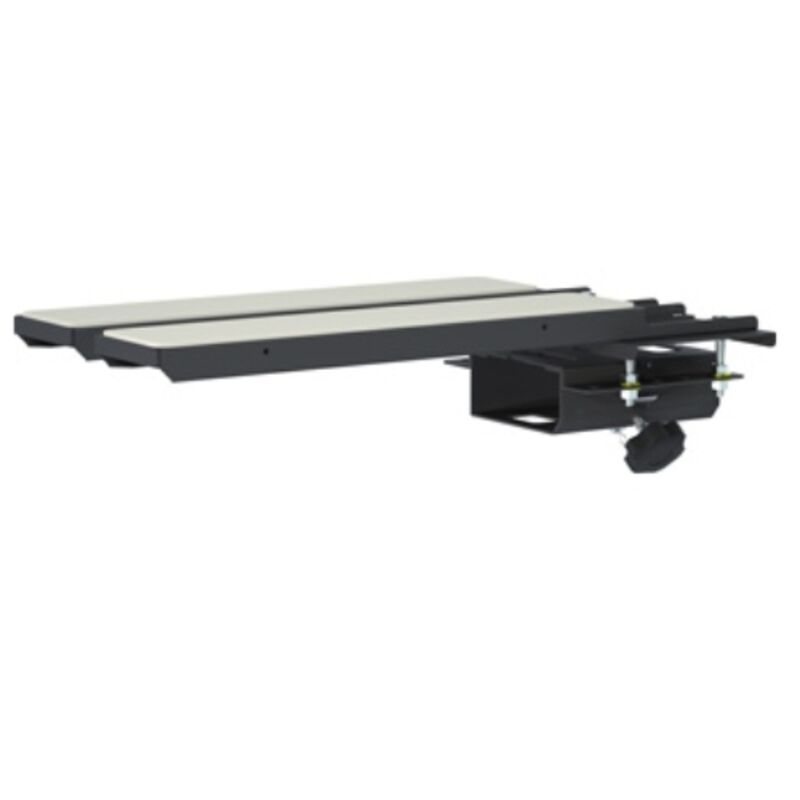
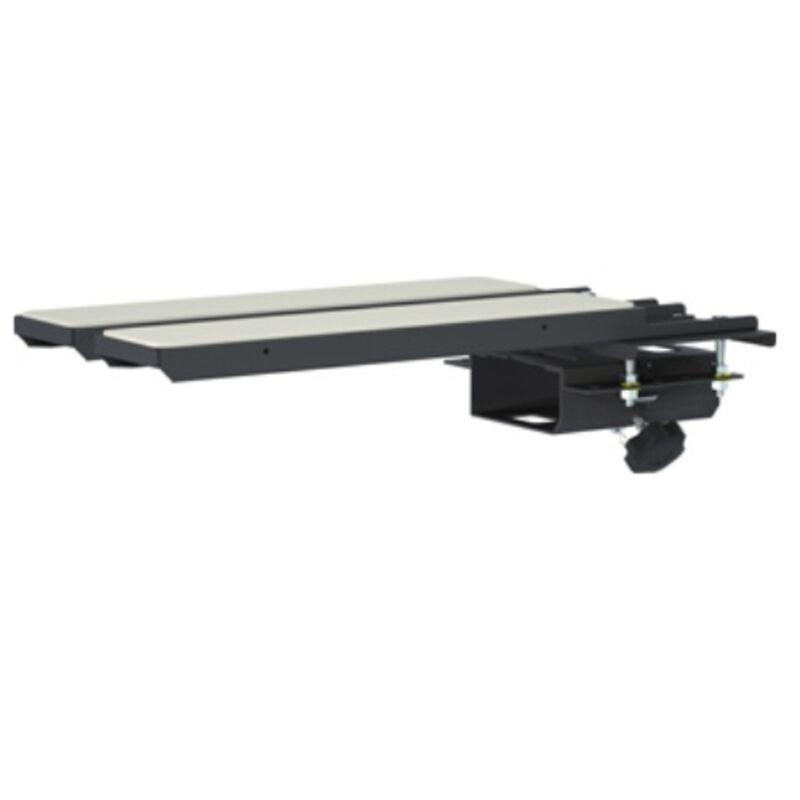

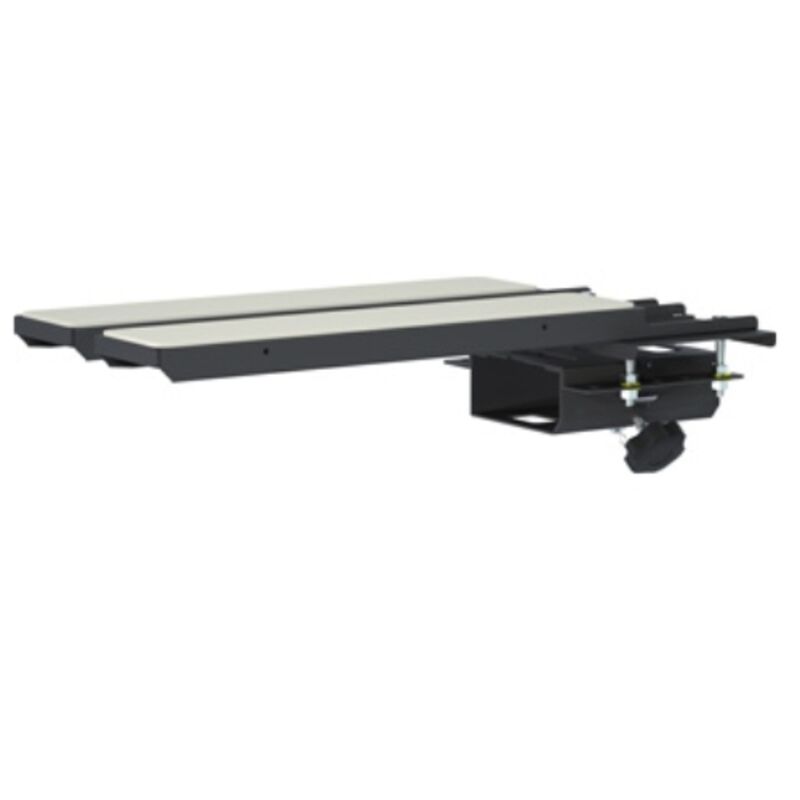






















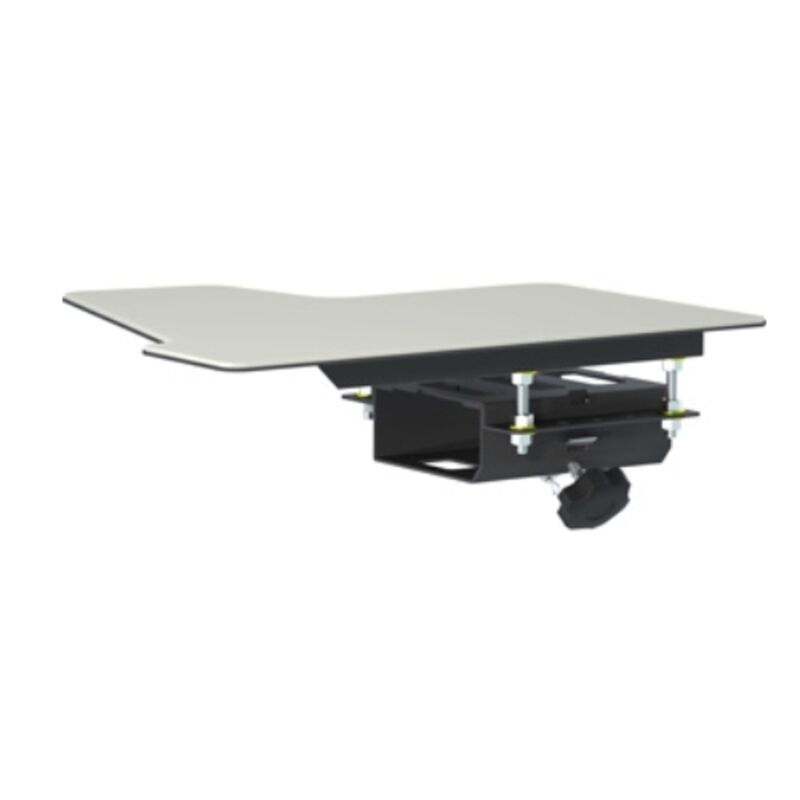

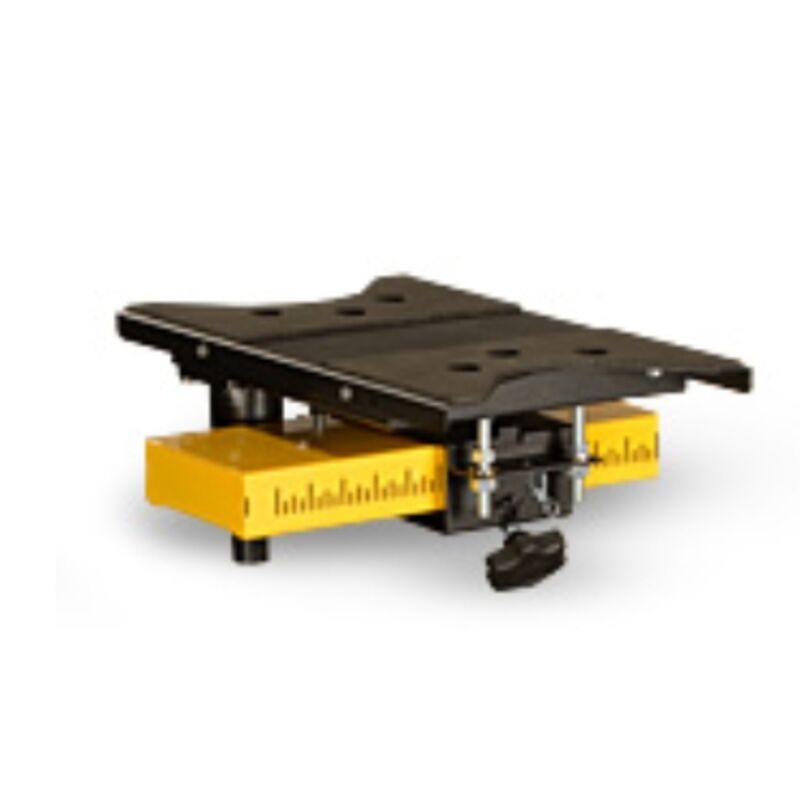
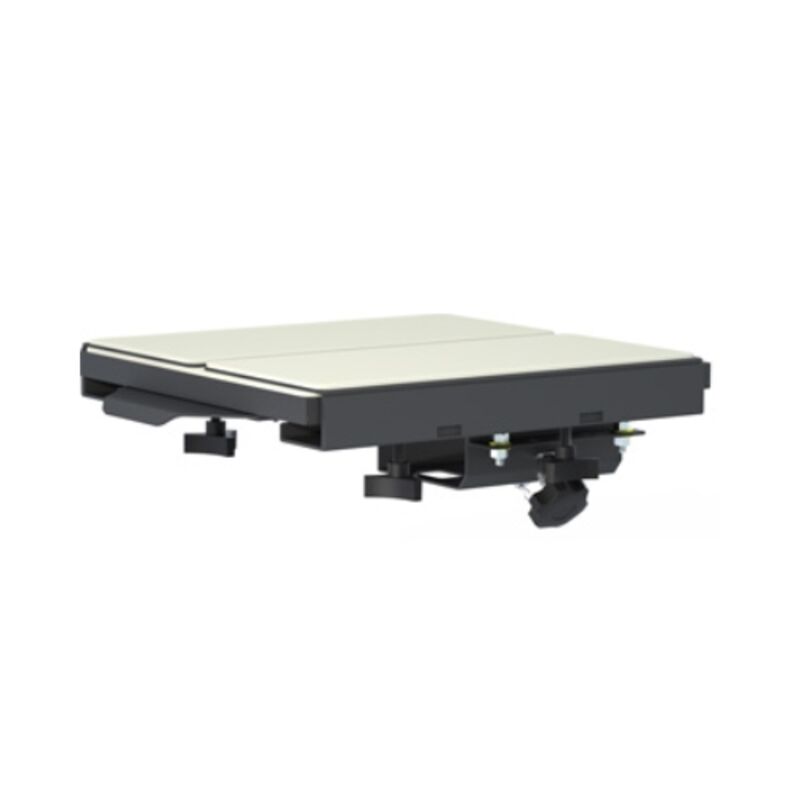

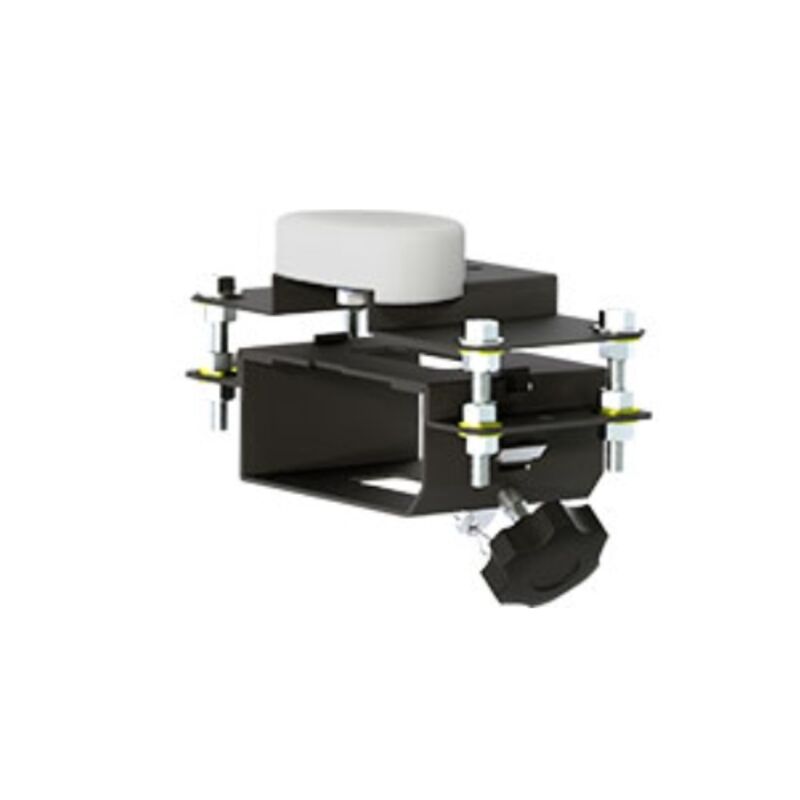













































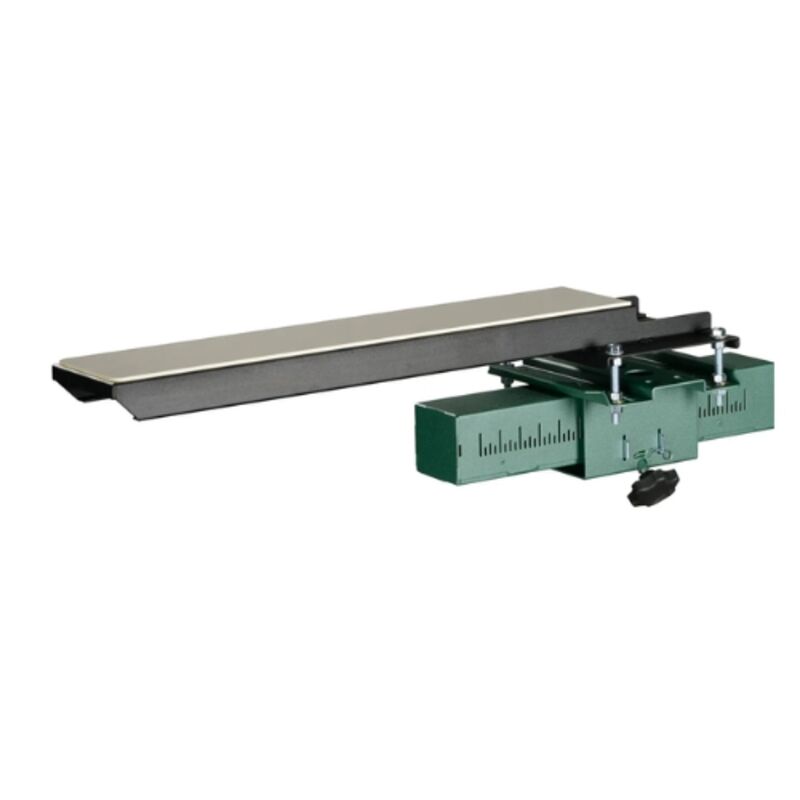

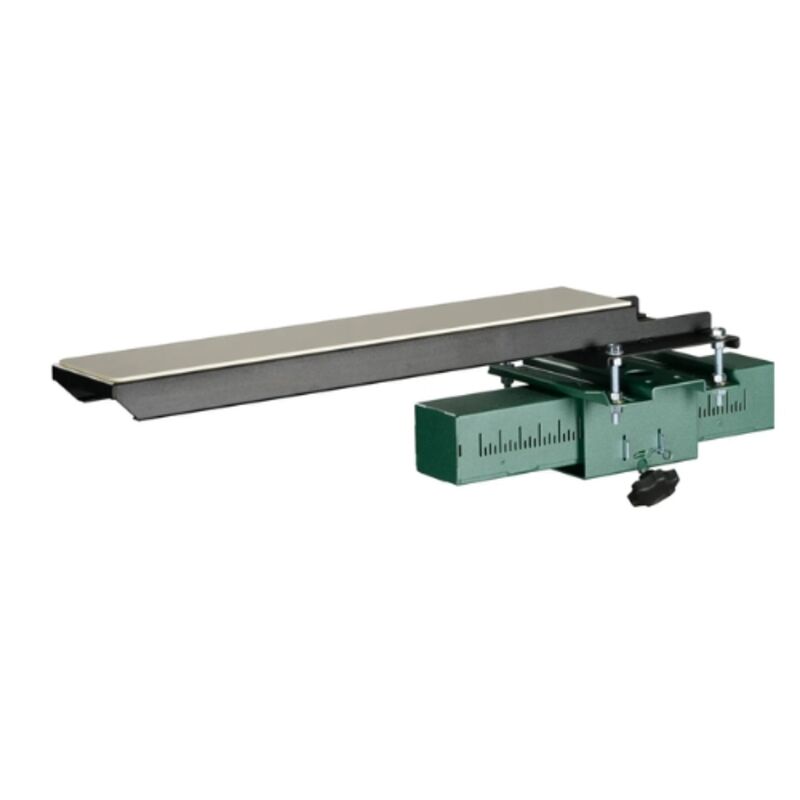
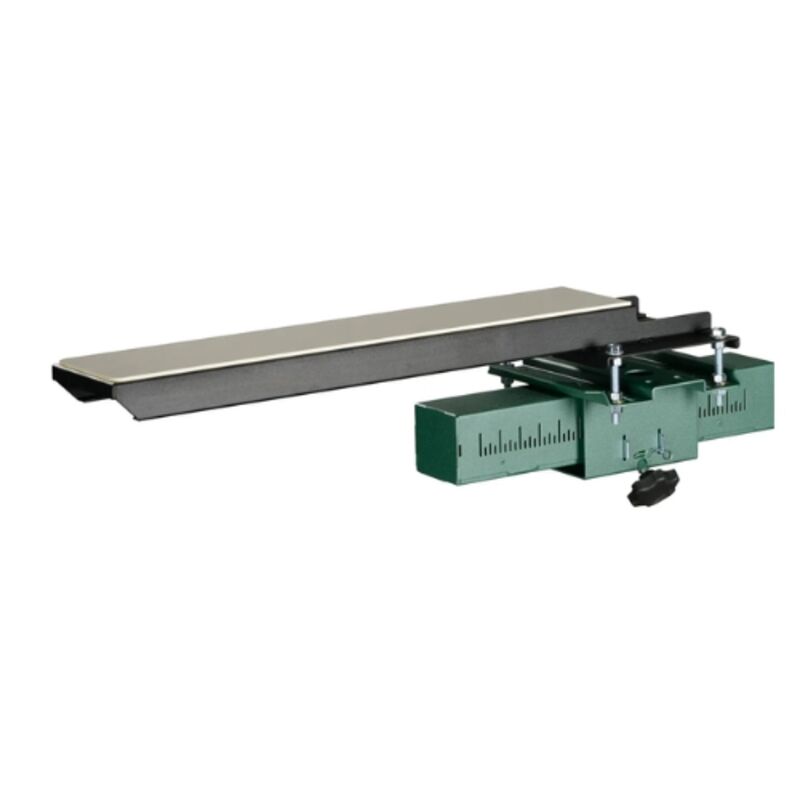
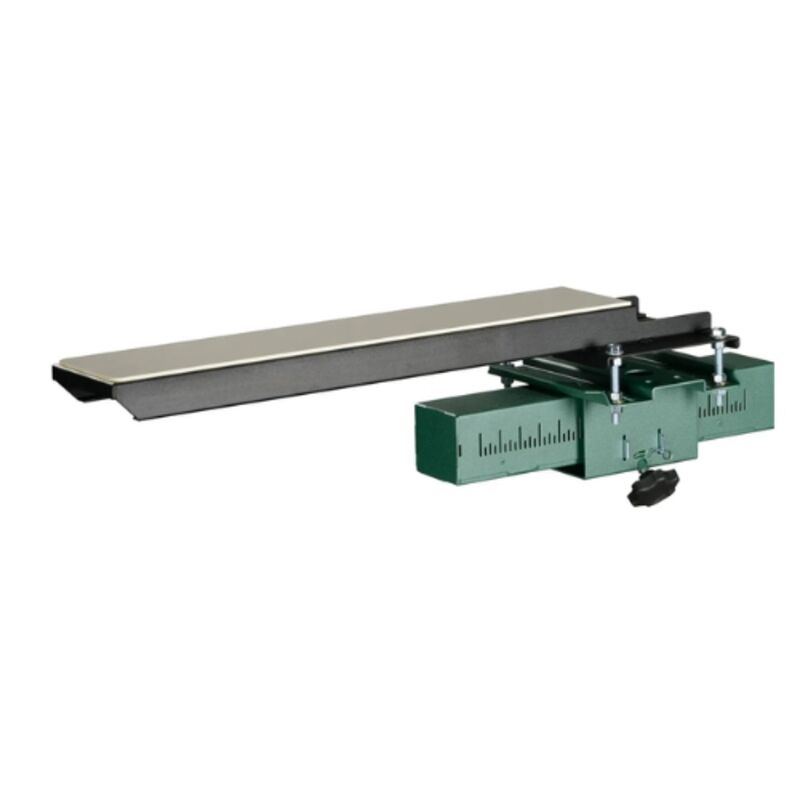






![BR4D-V30-Infrared Conveyor Dryers-BigRed 4D [Add-On Cubes] -BigRed4D-V30 Cube Only Thumbnail](/ssc/i/blank_product_listing_image_quality/107680936/800/800/FFFFFF/0/0/0/0/product.jpg?1745468677 "BR4D-V30-Infrared Conveyor Dryers-BigRed 4D [Add-On Cubes] -BigRed4D-V30 Cube Only BR4D-V30")
![BR4D-V54-Infrared Conveyor Dryers-BigRed 4D [Add-On Cubes] -BigRed4D-V54 Cube Only Thumbnail](/ssc/i/blank_product_listing_image_quality/107680956/800/800/FFFFFF/0/0/0/0/product.jpg?1745468621 "BR4D-V54-Infrared Conveyor Dryers-BigRed 4D [Add-On Cubes] -BigRed4D-V54 Cube Only BR4D-V54")
![SH-347-240-Infrared Conveyor Dryers-BigRed 4D [Add-On Cubes] -OPTIONAL - Side Heater Assembly Thumbnail](/ssc/i/blank_product_listing_image_quality/107680971/800/800/FFFFFF/0/0/0/0/product.jpg?1745468734 "SH-347-240-Infrared Conveyor Dryers-BigRed 4D [Add-On Cubes] -OPTIONAL - Side Heater Assembly SH-347-240")


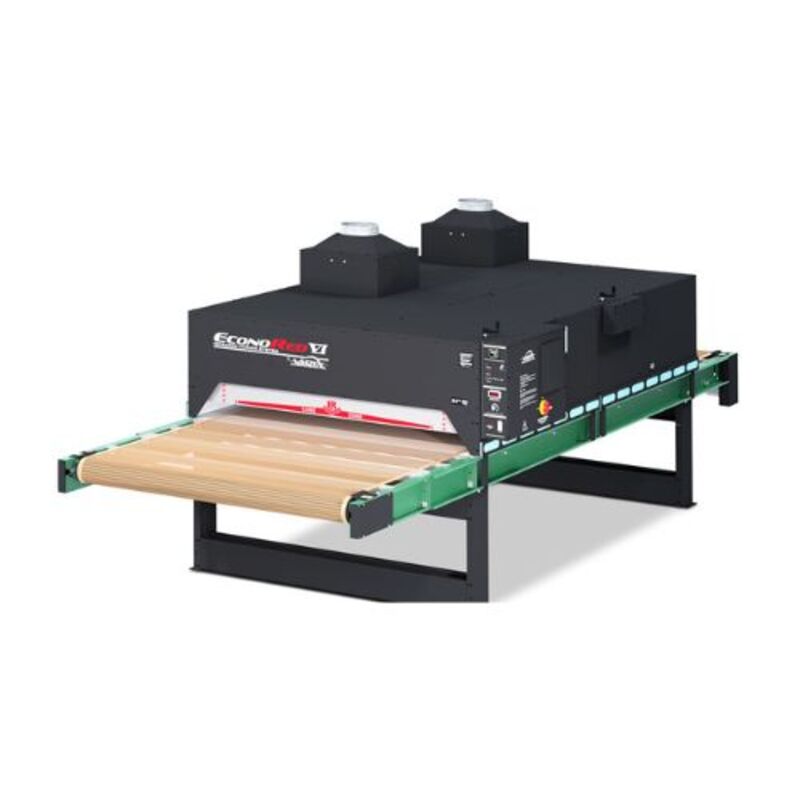

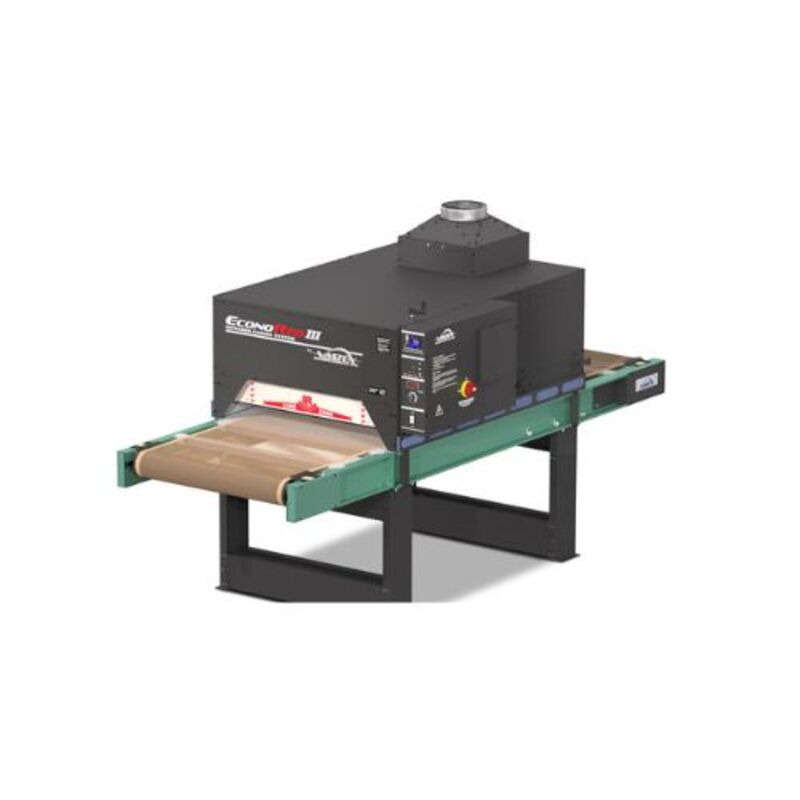
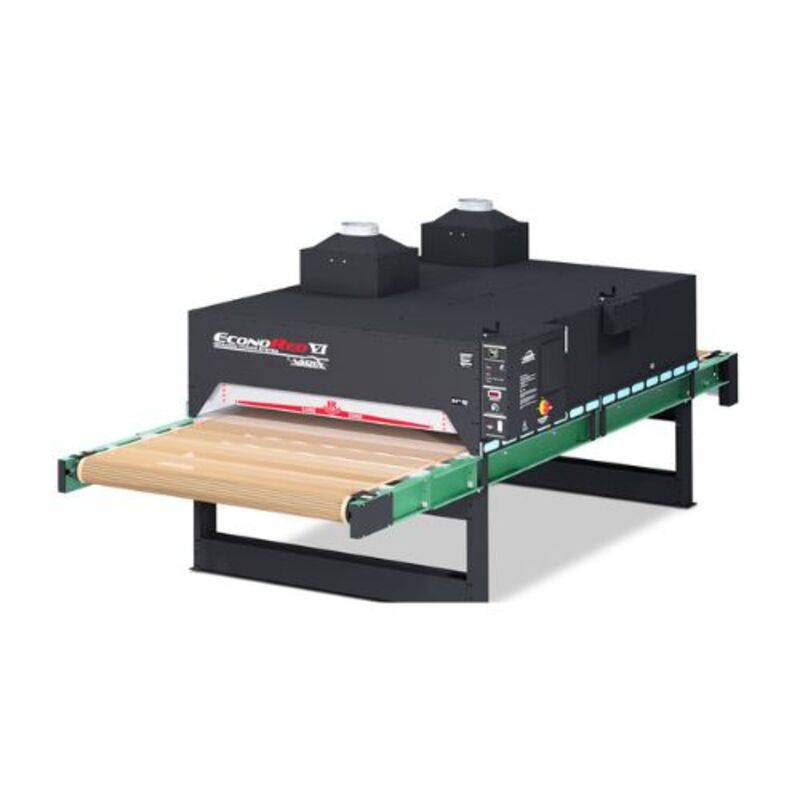

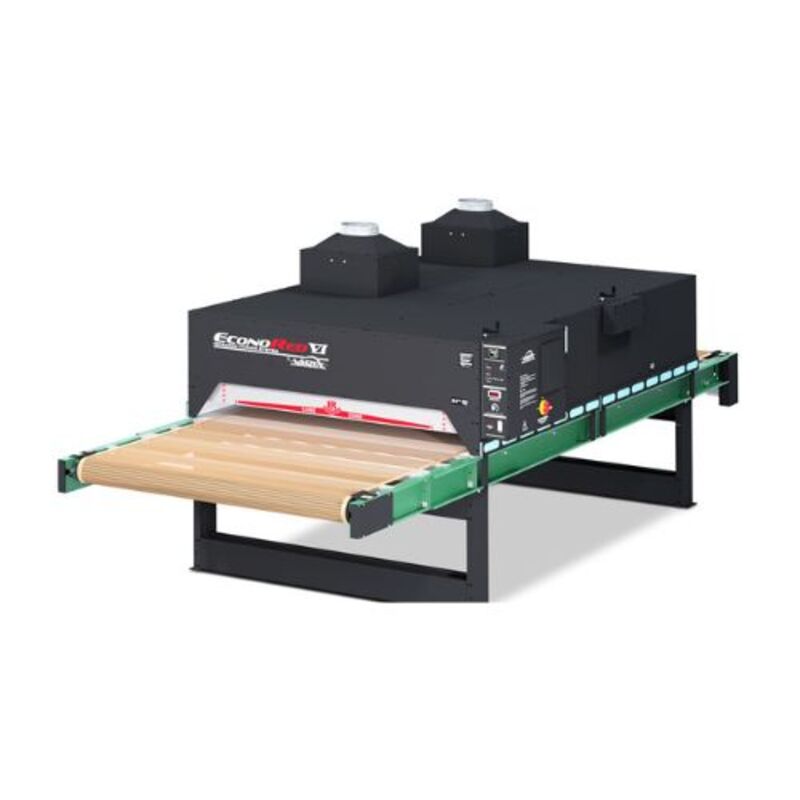
![ER-II-30-Infrared Conveyor Dryers-EconoRed II, III & VI [Add-On Cubes]-EconoRed-II-30 Cube Thumbnail](/ssc/i/blank_product_listing_image_quality/107681266/800/800/FFFFFF/0/0/0/0/product.jpg?1745468815 "ER-II-30-Infrared Conveyor Dryers-EconoRed II, III & VI [Add-On Cubes]-EconoRed-II-30 Cube ER-II-30")
![ER-III-30-Infrared Conveyor Dryers-EconoRed II, III & VI [Add-On Cubes]-EconoRed-III-30 Cube Thumbnail](/ssc/i/blank_product_listing_image_quality/107681296/800/800/FFFFFF/0/0/0/0/product.jpg?1745468868 "ER-III-30-Infrared Conveyor Dryers-EconoRed II, III & VI [Add-On Cubes]-EconoRed-III-30 Cube ER-III-30")
![ER-VI-30-Infrared Conveyor Dryers-EconoRed II, III & VI [Add-On Cubes]-EconoRed-VI-30 Cube Thumbnail](/ssc/i/blank_product_listing_image_quality/107681306/800/800/FFFFFF/0/0/0/0/product.jpg?1745469011 "ER-VI-30-Infrared Conveyor Dryers-EconoRed II, III & VI [Add-On Cubes]-EconoRed-VI-30 Cube ER-VI-30")
![ER-II-54-Infrared Conveyor Dryers-EconoRed II, III & VI [Add-On Cubes]-EconoRed-II-54 Cube Thumbnail](/ssc/i/blank_product_listing_image_quality/107681321/800/800/FFFFFF/0/0/0/0/product.jpg?1745469122 "ER-II-54-Infrared Conveyor Dryers-EconoRed II, III & VI [Add-On Cubes]-EconoRed-II-54 Cube ER-II-54")
![ER-III-54-Infrared Conveyor Dryers-EconoRed II, III & VI [Add-On Cubes]-EconoRed-III-54 Cube Thumbnail](/ssc/i/blank_product_listing_image_quality/107681341/800/800/FFFFFF/0/0/0/0/product.jpg?1745469229 "ER-III-54-Infrared Conveyor Dryers-EconoRed II, III & VI [Add-On Cubes]-EconoRed-III-54 Cube ER-III-54")
![ER-VI-54-Infrared Conveyor Dryers-EconoRed II, III & VI [Add-On Cubes]-EconoRed-VI-54 Cube Thumbnail](/ssc/i/blank_product_listing_image_quality/107681371/800/800/FFFFFF/0/0/0/0/product.jpg?1745469318 "ER-VI-54-Infrared Conveyor Dryers-EconoRed II, III & VI [Add-On Cubes]-EconoRed-VI-54 Cube ER-VI-54")
![ER-III-78-Infrared Conveyor Dryers-EconoRed II, III & VI [Add-On Cubes]-EconoRed-III-78 Thumbnail](/ssc/i/blank_product_listing_image_quality/107681386/800/800/FFFFFF/0/0/0/0/product.jpg?1745469507 "ER-III-78-Infrared Conveyor Dryers-EconoRed II, III & VI [Add-On Cubes]-EconoRed-III-78 ER-III-78")
![ER-VI-78-480-Infrared Conveyor Dryers-EconoRed II, III & VI [Add-On Cubes]-EconoRed-VI-78 Thumbnail](/ssc/i/blank_product_listing_image_quality/107681401/800/800/FFFFFF/0/0/0/0/product.jpg?1745469584 "ER-VI-78-480-Infrared Conveyor Dryers-EconoRed II, III & VI [Add-On Cubes]-EconoRed-VI-78 ER-VI-78-480")














Screen Printing Supplies: High-Quality Tools for Professional Apparel Printing
Finding the right screen printing supplies is essential for producing high-quality prints that last. Whether you run a full-scale shop or a home-based printing setup, having the correct inks, screens, emulsions, chemicals, and equipment ensures the best results. This guide covers the most important tools, products, and materials every screen printer needs, helping you get clean prints, sharp details, and long-term durability.
Why Quality Screen Printing Supplies Matter
Screen printing is one of the most reliable and popular methods for decorating apparel, especially for large production runs. But the quality of your supplies determines how well your prints hold up after repeated washes, how smooth your workflow is, and how efficiently you can deliver products to customers. Using professional-grade screen printing materials ensures bright color output, crisp edges, and consistent production from job to job.
Essential Screen Printing Inks
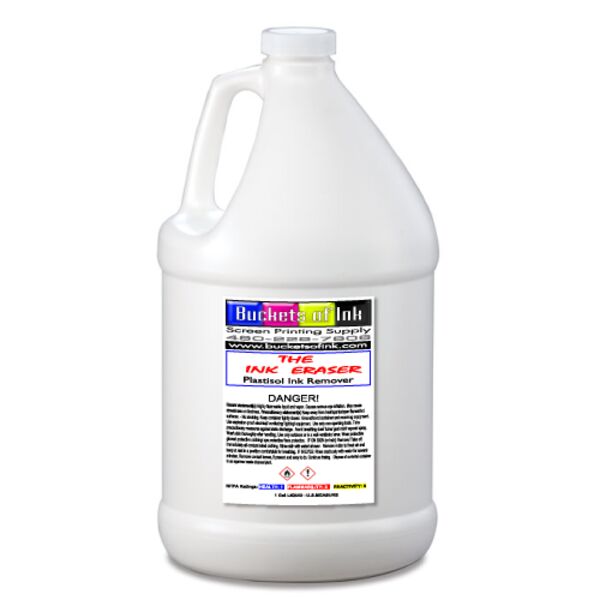
Ink selection is one of the most important decisions for print shops. Most printers choose between plastisol inks and water-based inks. Plastisol inks are known for their opacity, durability, and ease of use, making them the industry standard for most apparel printing. Water-based inks, meanwhile, offer a softer feel and eco-friendly benefits, making them ideal for fashion and retail-quality prints. Choosing the right ink depends on fabric type, design style, and customer expectations.
Screens, Frames & Mesh Count
High-quality screens and frames help ensure accurate detail reproduction. Mesh count is critical: low mesh counts (60–110) are ideal for bold prints and heavy inks, while higher mesh counts (156, 200, 230+) are perfect for fine details and thin ink layers. Aluminum frames are more durable and stay tensioned longer, while wooden frames provide an affordable option for small shops and beginners.
Emulsion & Coating Supplies
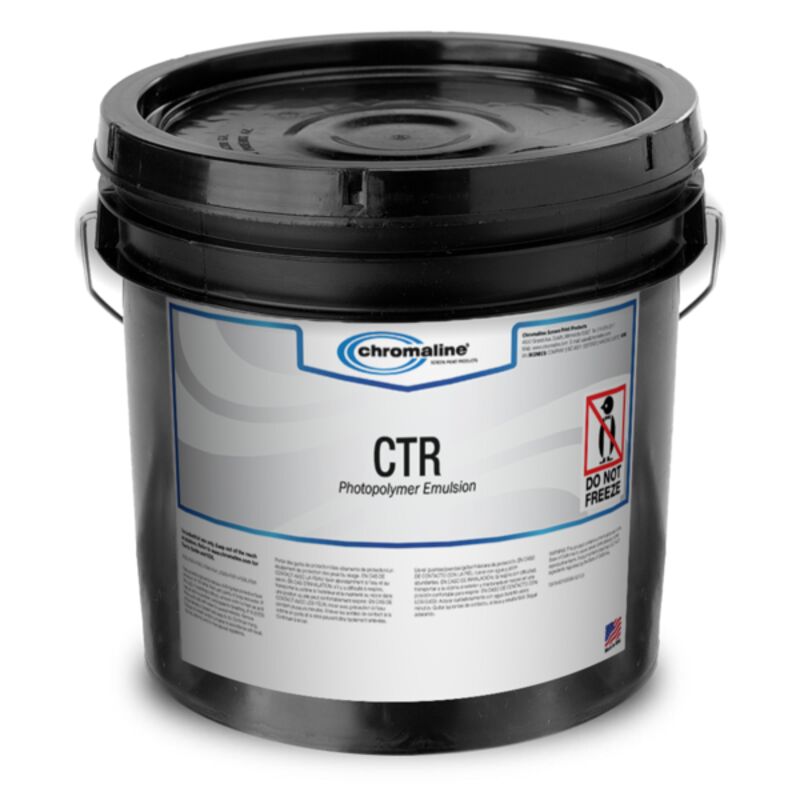
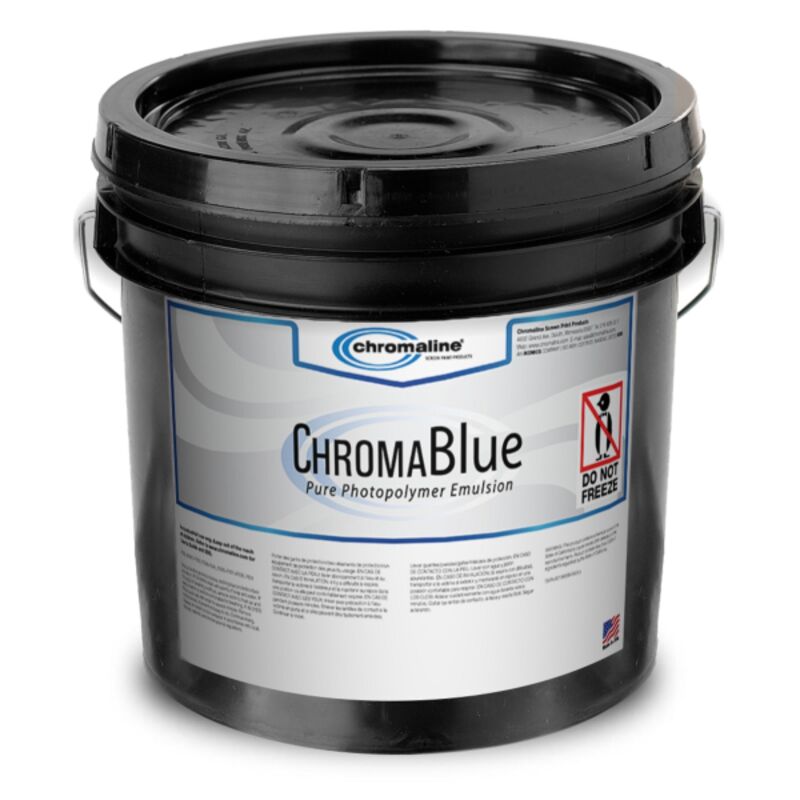
Choosing the right emulsion affects how well your stencil holds during printing. Dual-cure and photopolymer emulsions offer strong durability and fast exposure times. Using proper coating tools, scoop coaters, and drying equipment ensures clean stencils that produce accurate prints on every pass.
Squeegees, Tools & Accessories
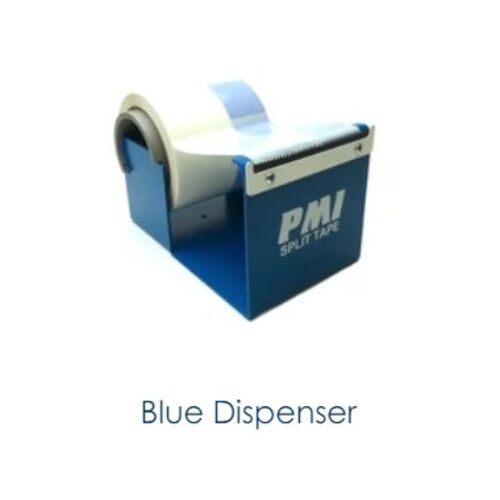
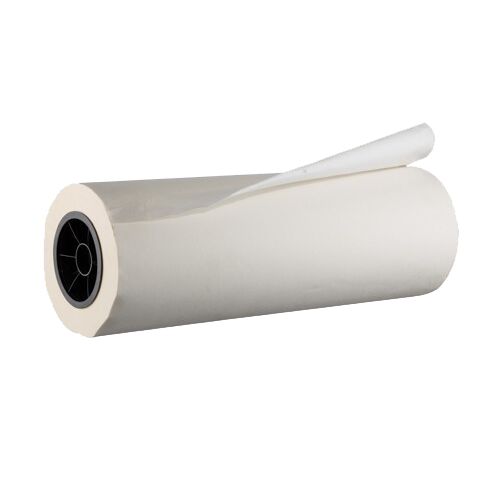
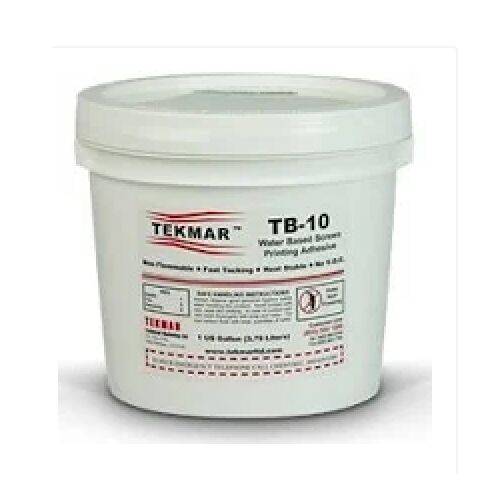
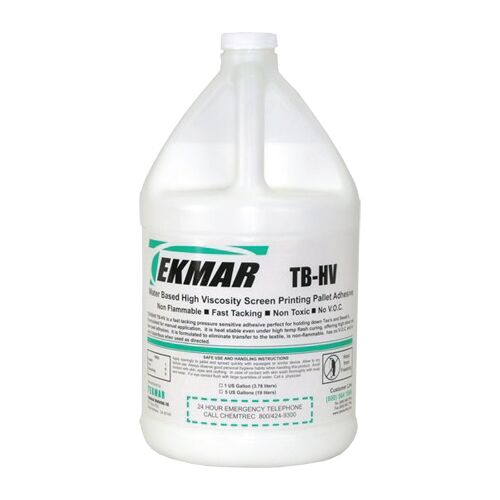
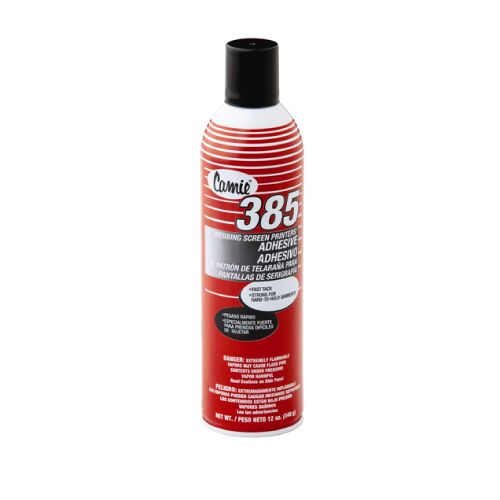
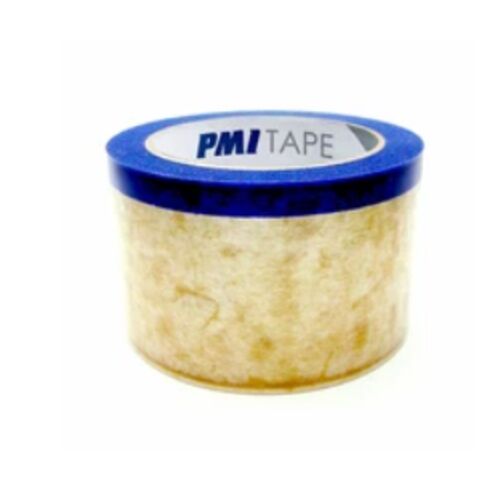
No screen printing setup is complete without the right squeegees. Different durometers (hardness levels) allow you to push ink through the mesh with precision. Additional supplies such as spatulas, tape, test pellons, adhesive sprays, heat guns, and flood bars help maintain workflow efficiency. Each tool plays an important role in the consistency and quality of your prints.
Chemicals, Cleaners & Reclaiming Supplies
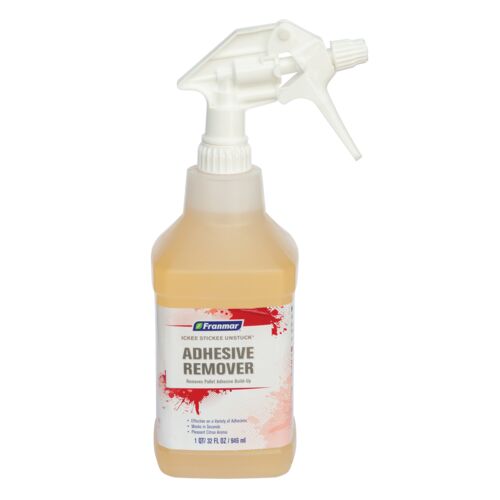
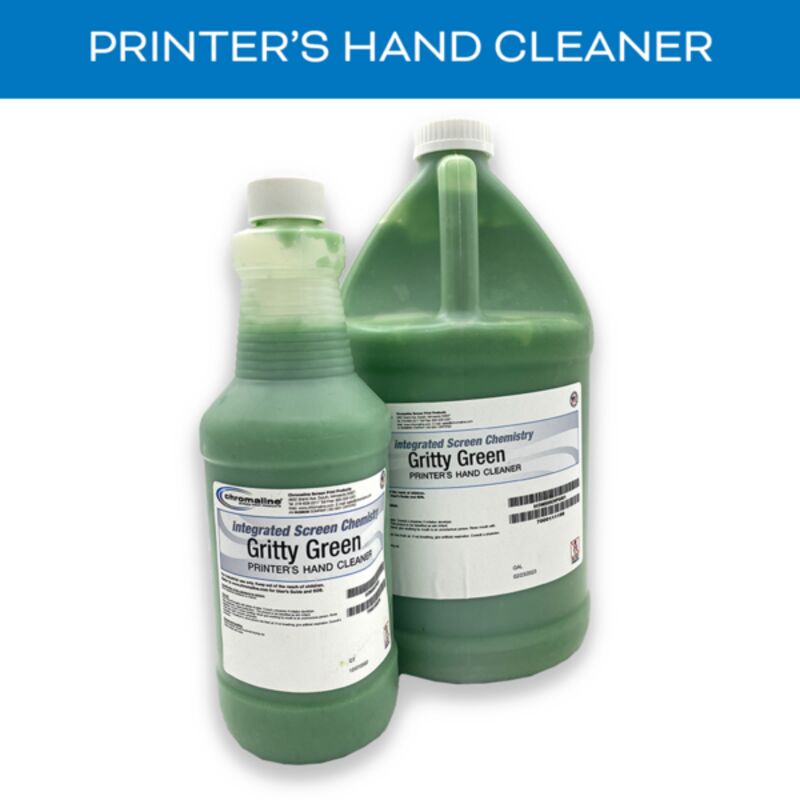
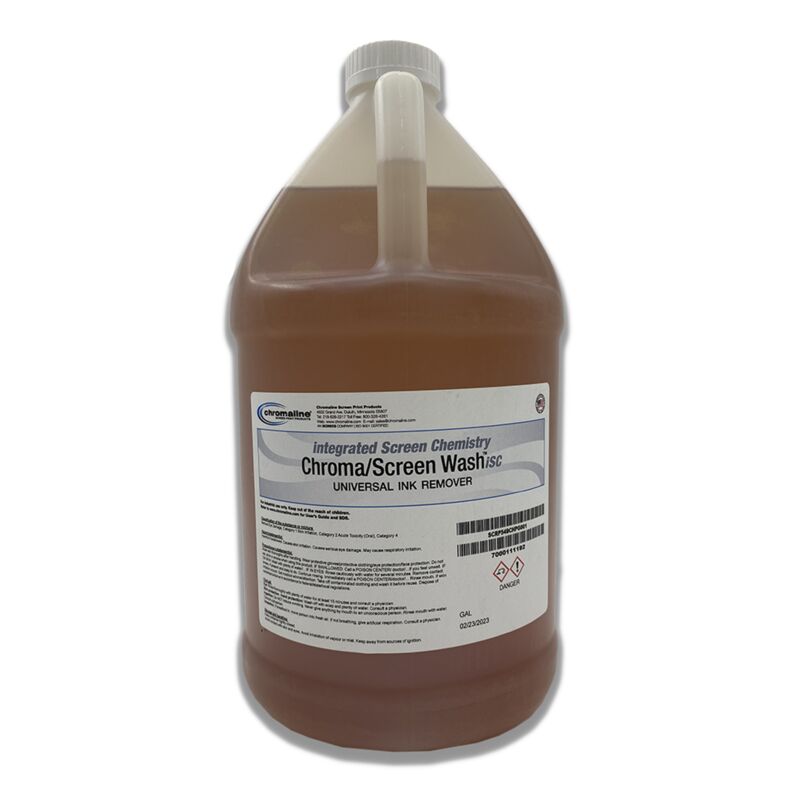
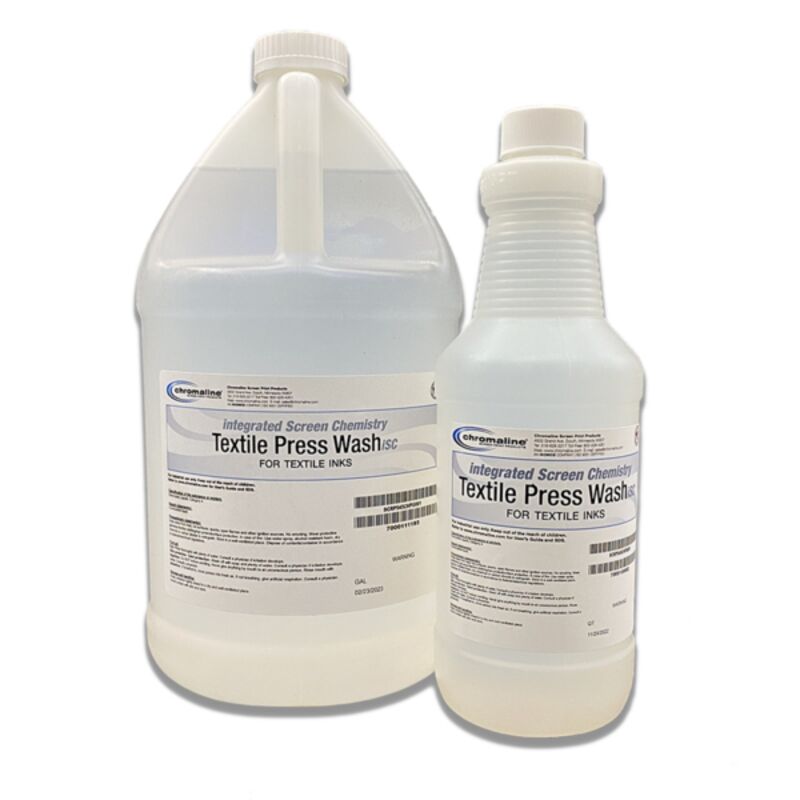
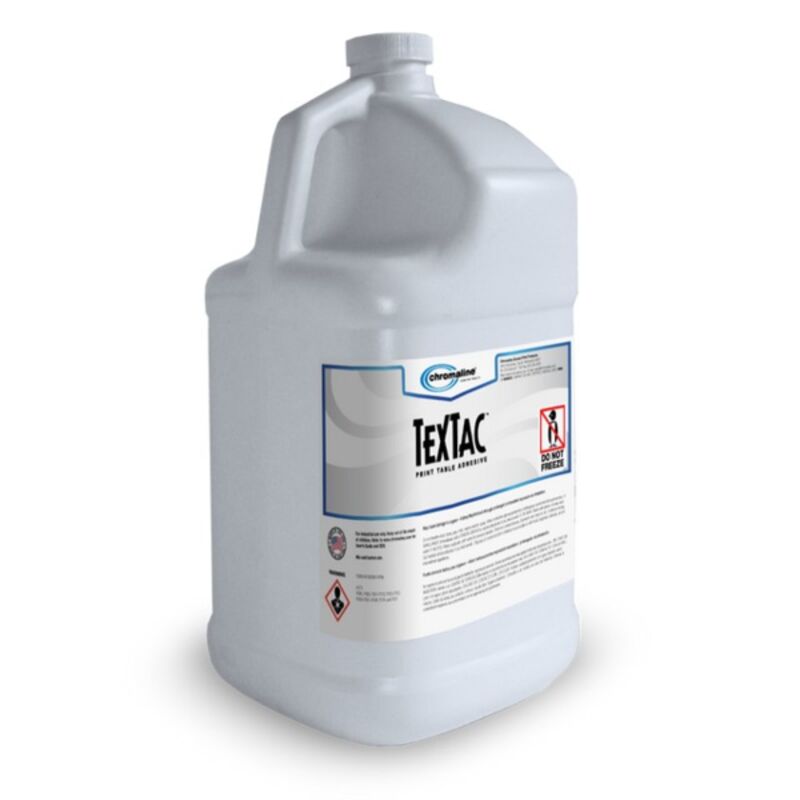
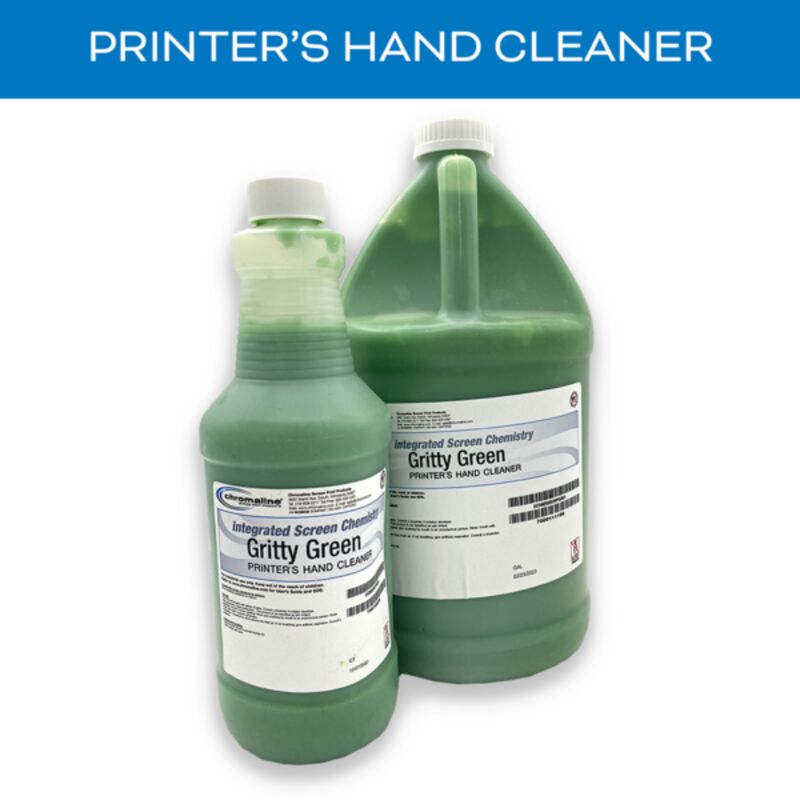
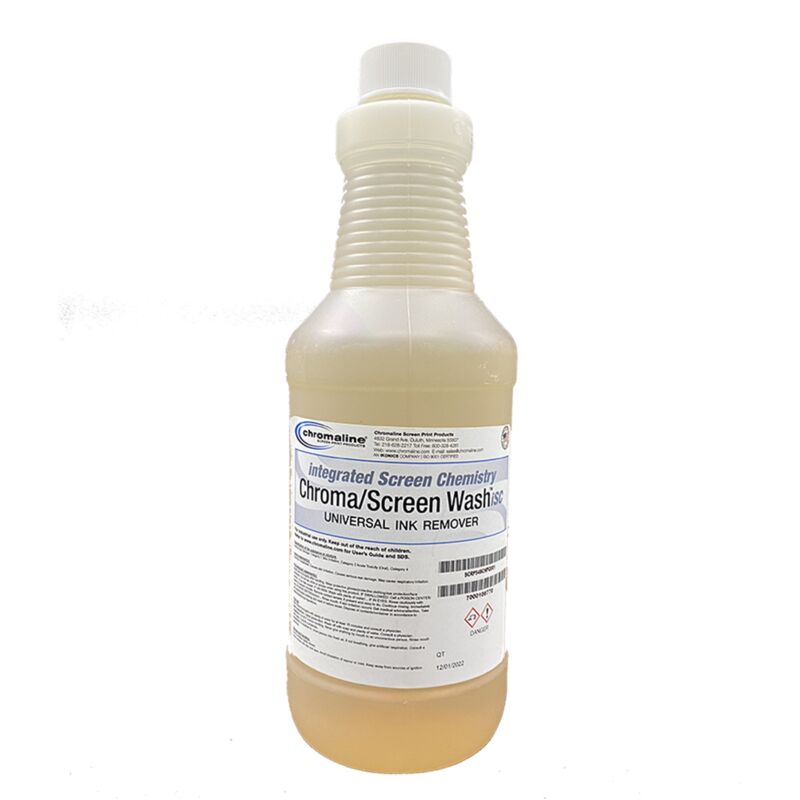
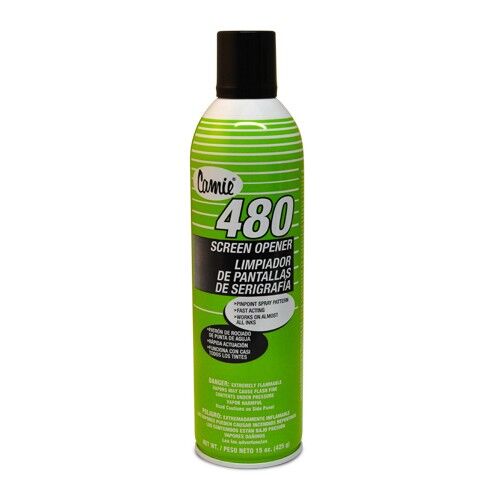
Keeping your screens clean extends their life and ensures high-quality results. Essential shop chemicals include screen wash, degreasers, emulsion removers, and haze removers. Using the right reclaiming supplies helps you reuse screens quickly and maintain optimal performance. A clean shop also reduces downtime and prevents defects in finished prints.
Screen Printing Equipment & Presses
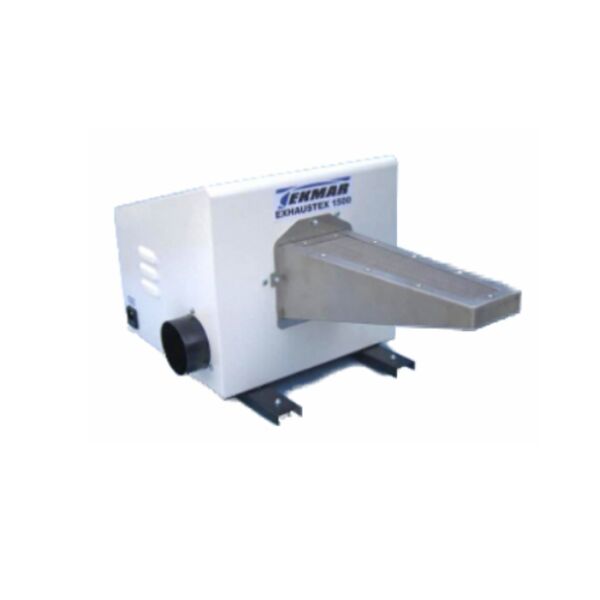
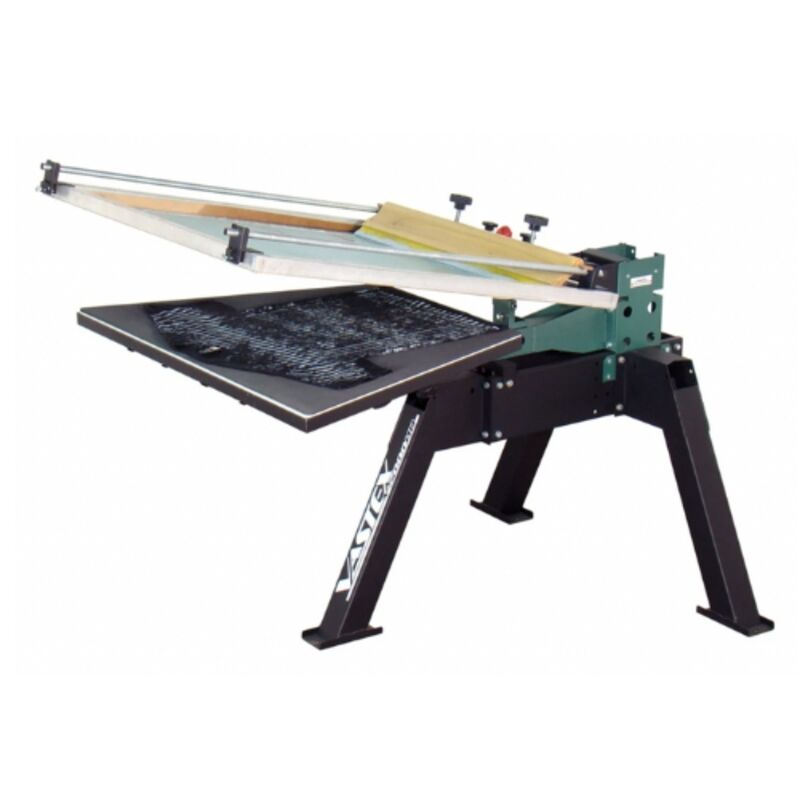
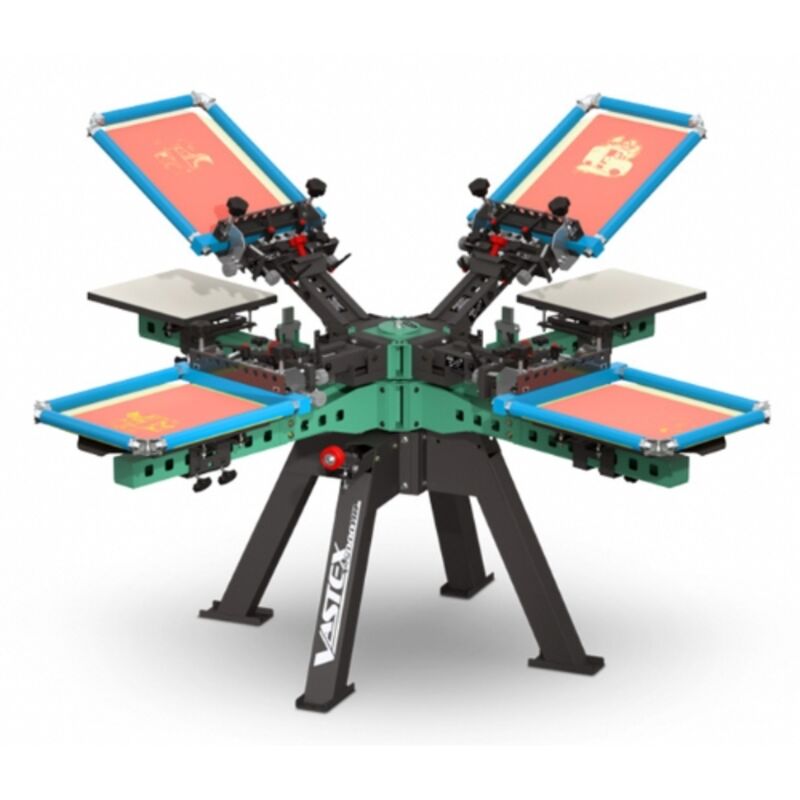
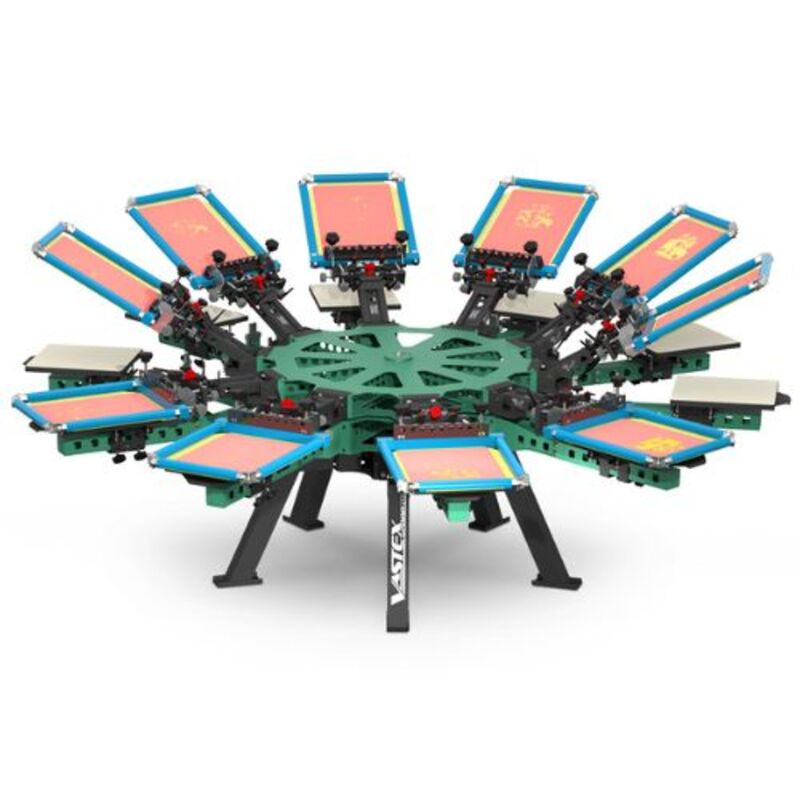
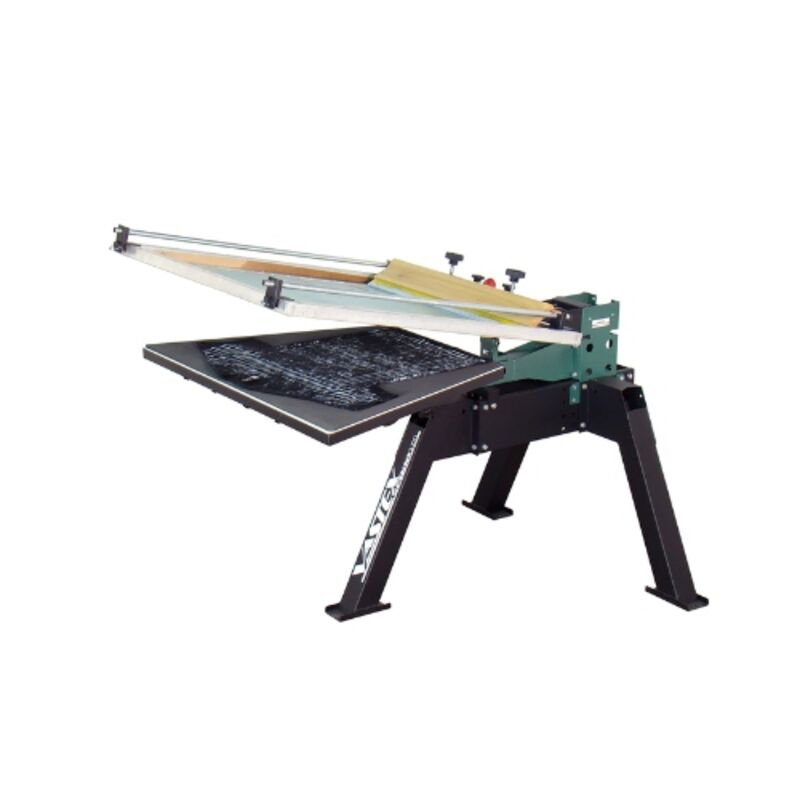
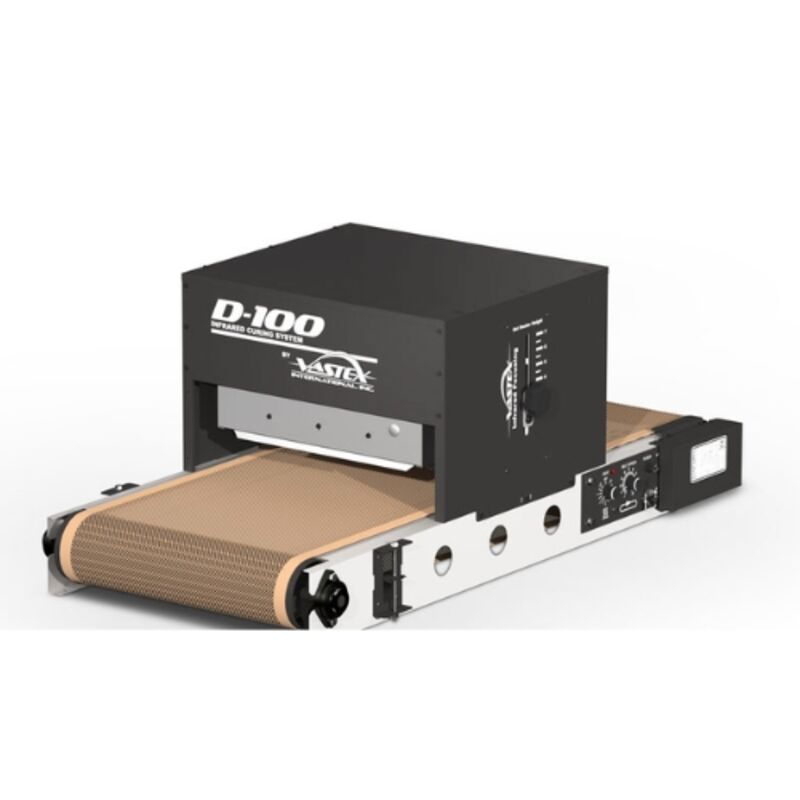
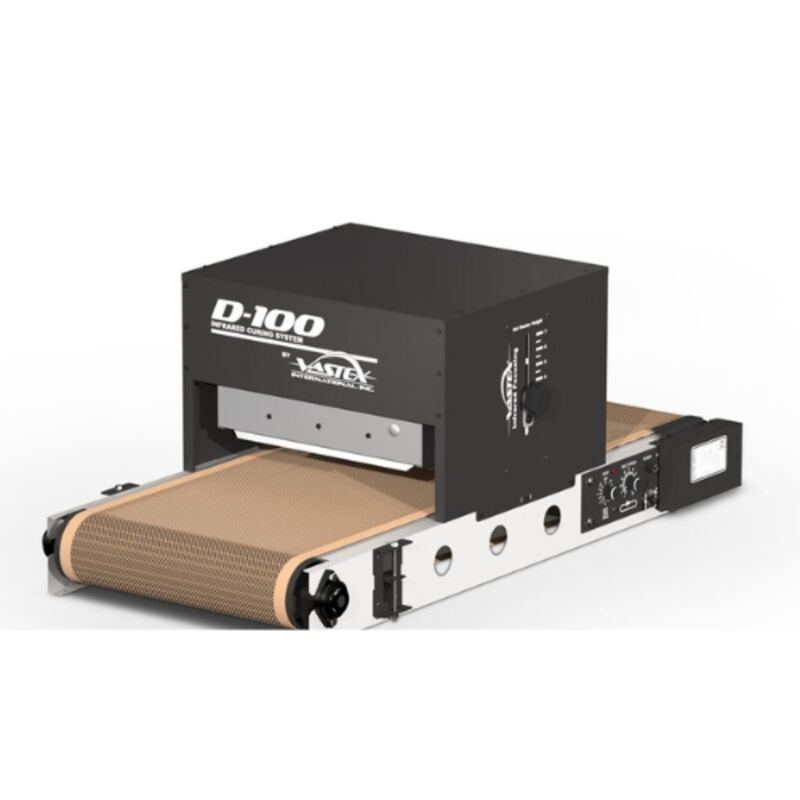
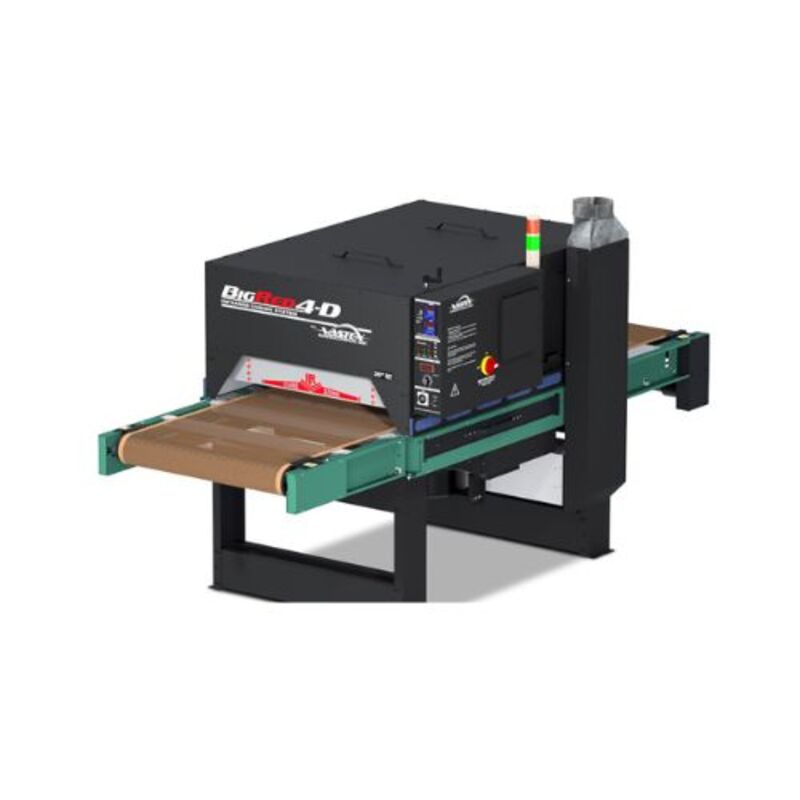
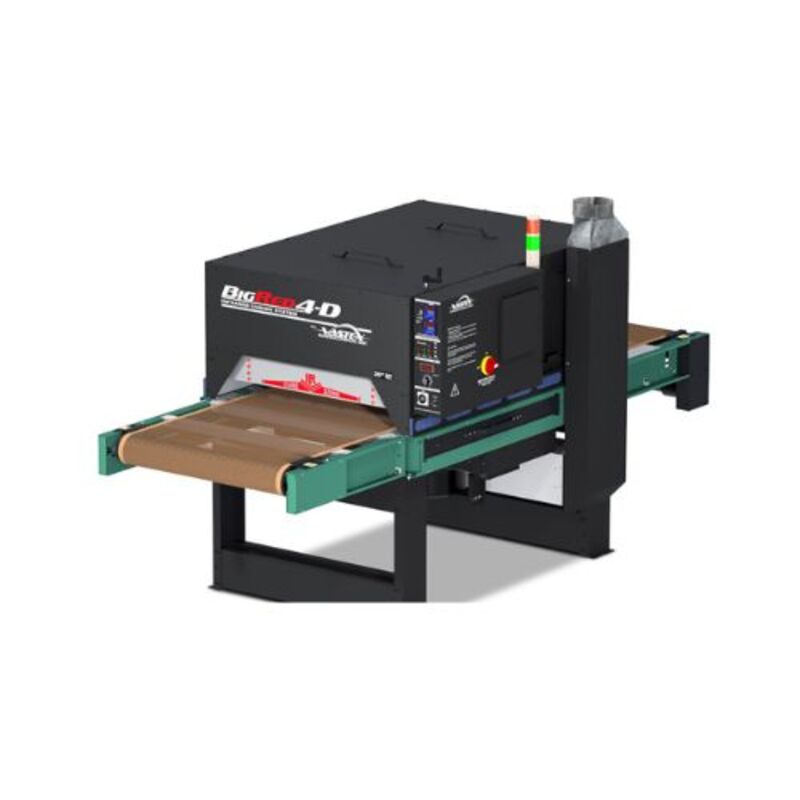
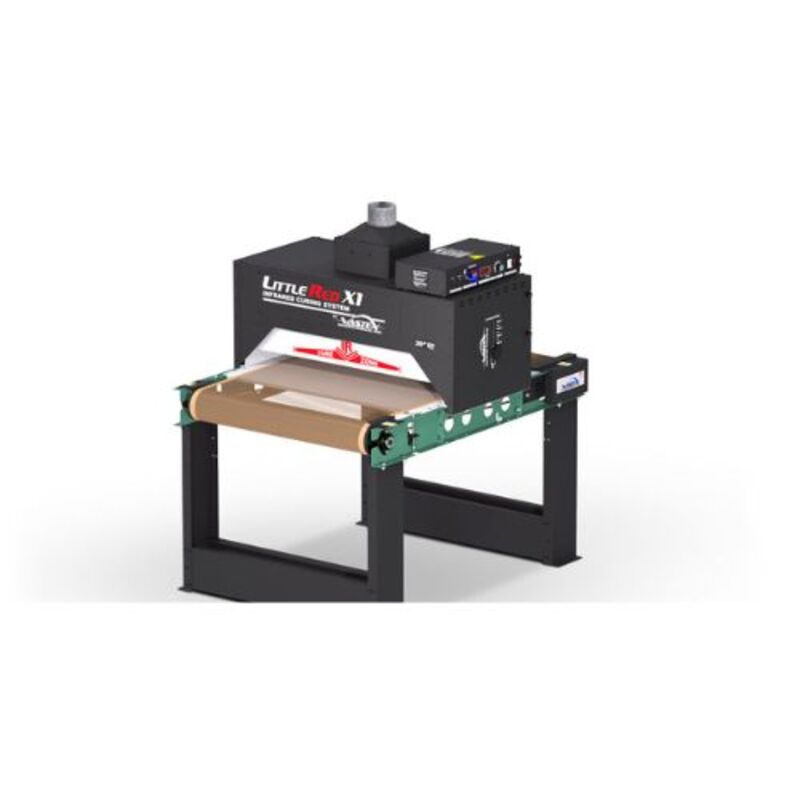
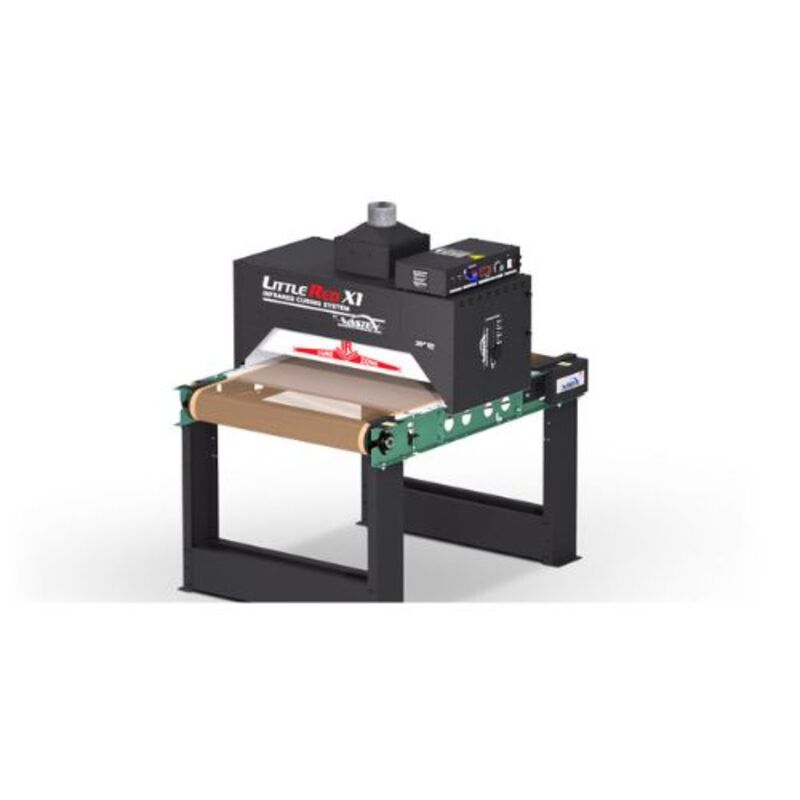
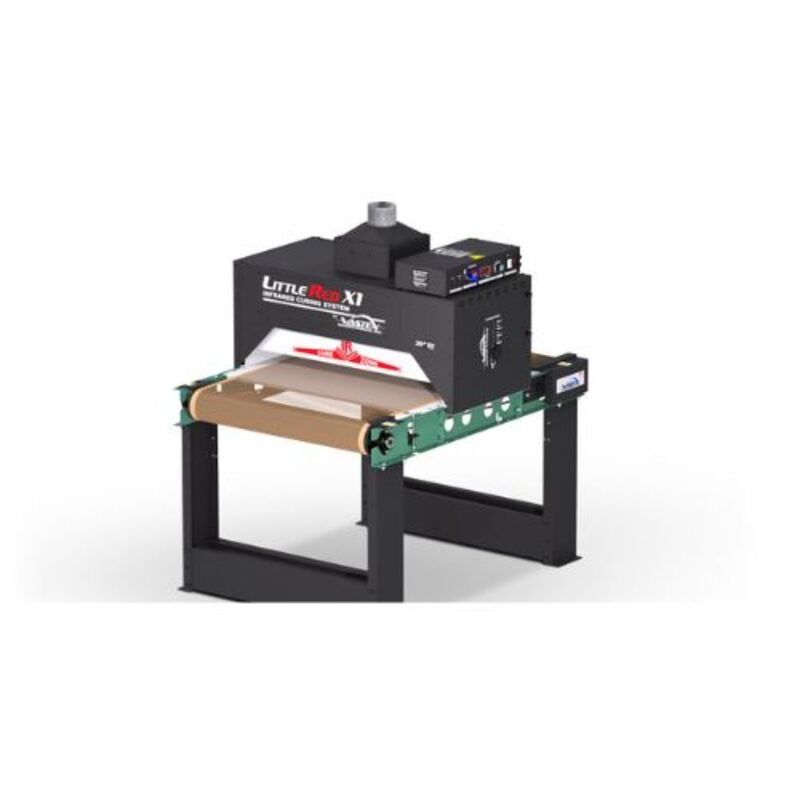
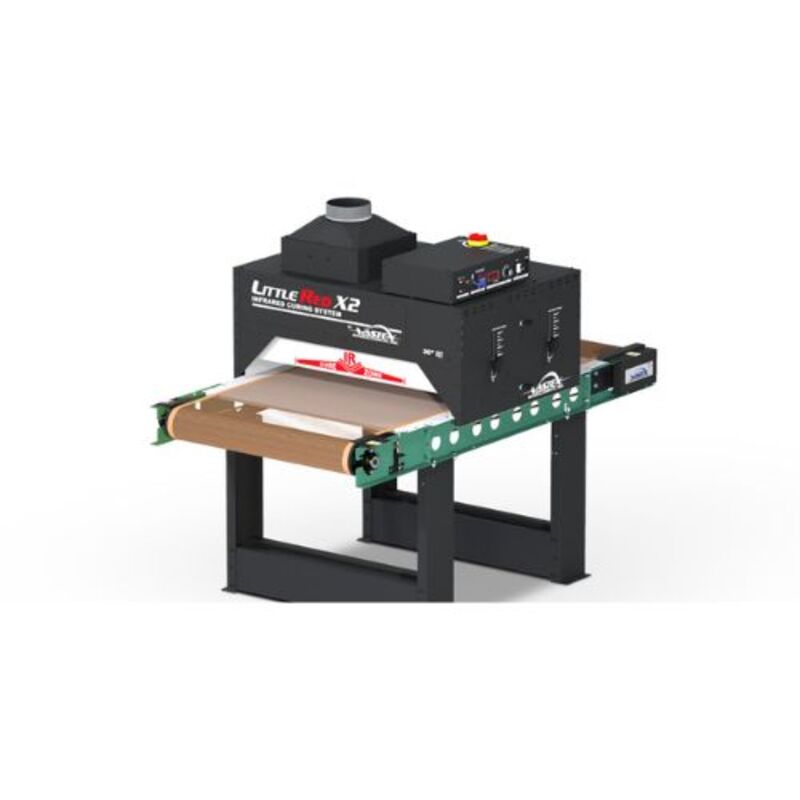
From manual presses to automatic machines, choosing the correct equipment can dramatically increase production capacity. Flash dryers help cure prints between layers, while conveyor dryers provide full curing for long-lasting results. Exposure units, LED systems, and washout booths are also crucial for preparation and cleanup.
Where to Buy the Best Screen Printing Supplies
Whether you’re just getting started or upgrading your print shop, investing in high-quality supplies ensures the best results for your customers. Premium screen printing tools and materials help you produce vibrant, durable prints on T-shirts, hoodies, sweatshirts, posters, tote bags, and more. Choose reliable suppliers that offer consistent quality and fast shipping to keep your shop running smoothly.
Explore a full range of screen printing inks, equipment, press tools, and shop chemicals to elevate your printing workflow and deliver professional-level results every time.


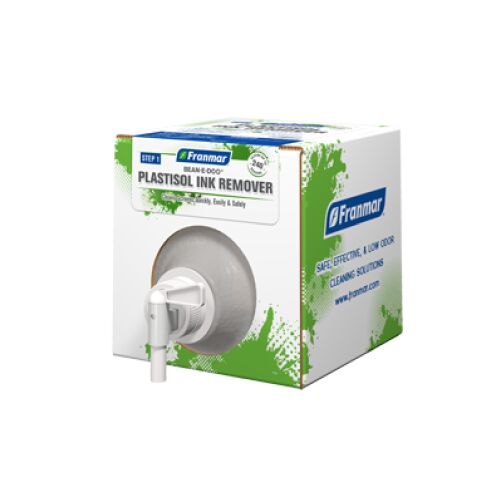


![On Press Color Change Plastisol Ink Remover 5 Gallon [CLEARANCE] Thumbnail](/ssc/i/blank_product_listing_image_quality/83488677/500/500/FFFFFF/0/1/0/0/product.jpg?1787754826 "Franmar Chemicals On Press Color Change Plastisol Ink Remover 5 Gallon [CLEARANCE] FSPCC5GEAWDT1")