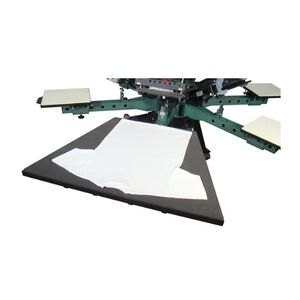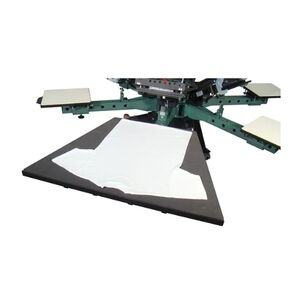

Screen Printing Equipment — From First Press to Full Production
Automatic
Silk Screen
Machines
From your first Vastex manual to a 44-station ROQ oval — Buckets of Ink configures, quotes, and supports the complete range of screen printing equipment. Every press we sell is matched to your shop's volume, power, and floor space by people who have actually run them.
 ROQ & Vastex screen printing equipment — in stock at Buckets of Ink
Shop by category
Screen Printing Equipment
Six equipment categories cover everything a screen printing shop runs on — automatics, manuals, screen imaging, platens, shop machinery, and inspected used gear.

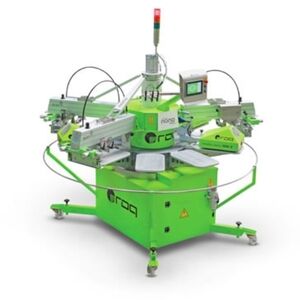
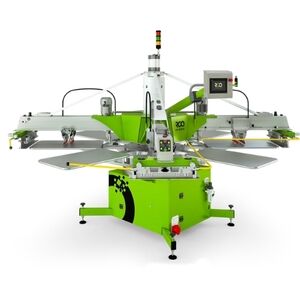
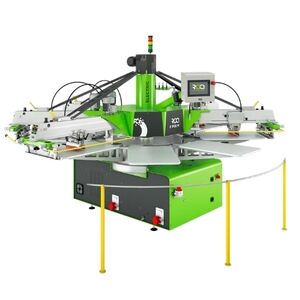
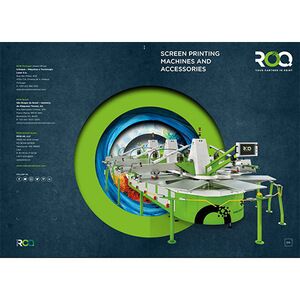
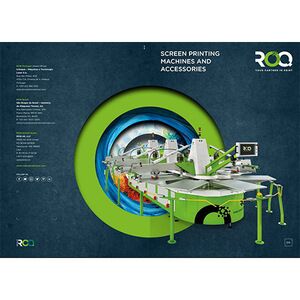
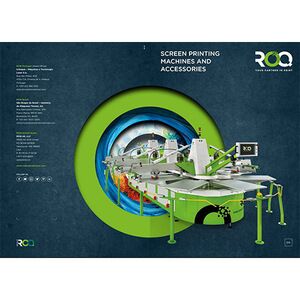
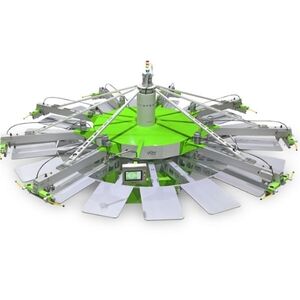
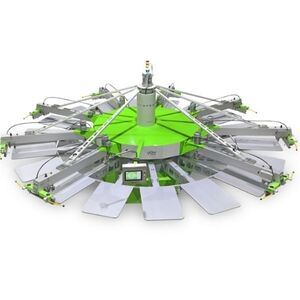
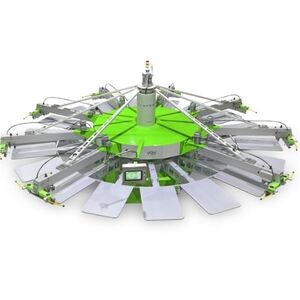
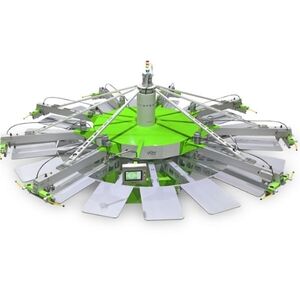
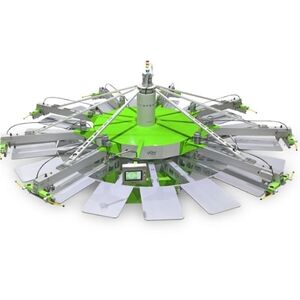
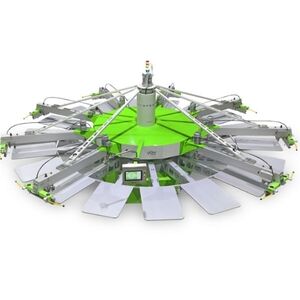
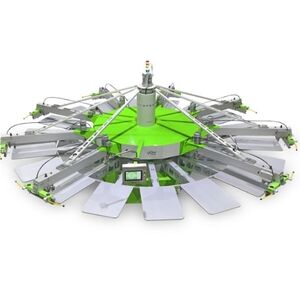
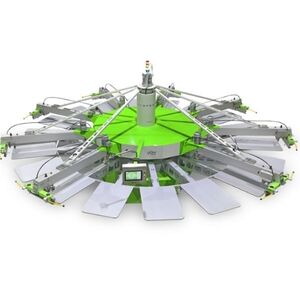
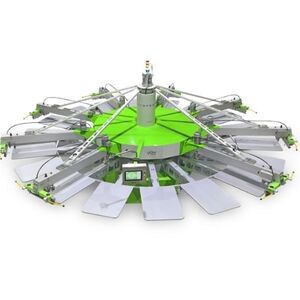
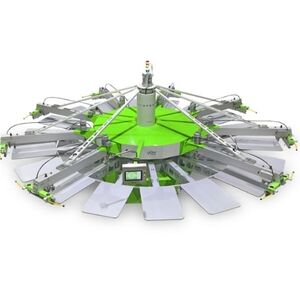
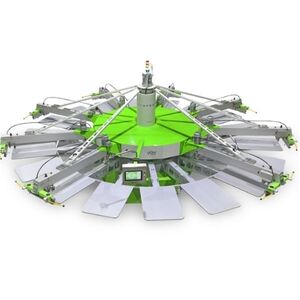
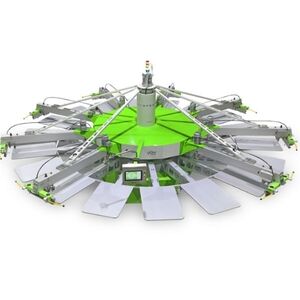
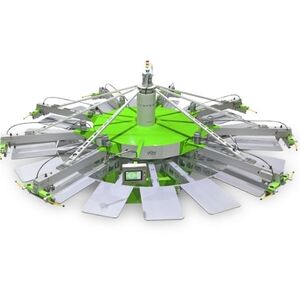
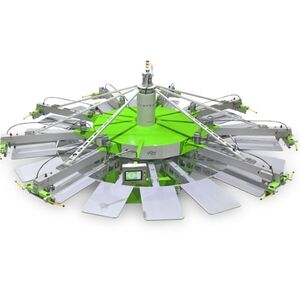
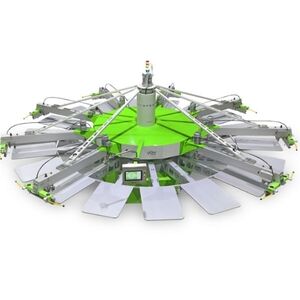
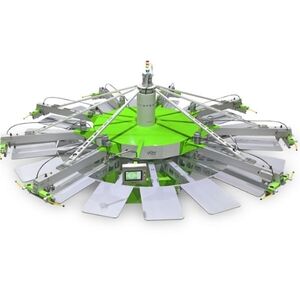
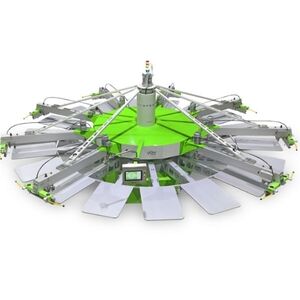
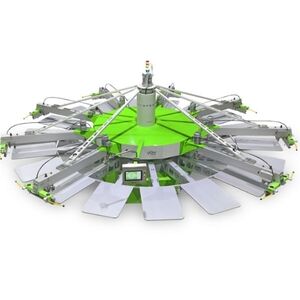
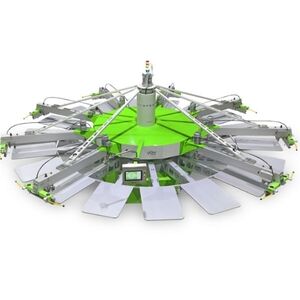
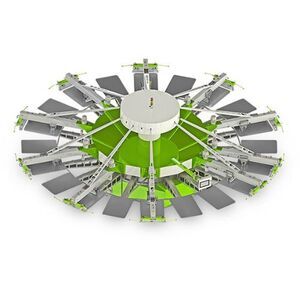
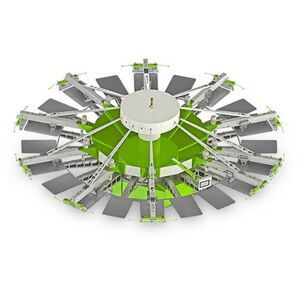
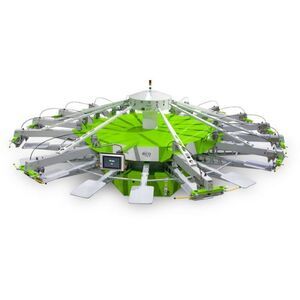
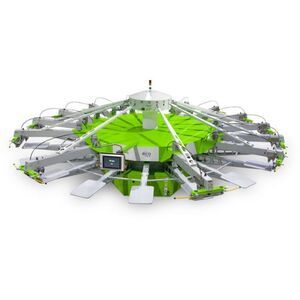
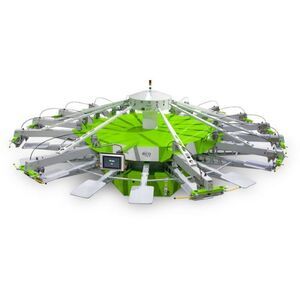
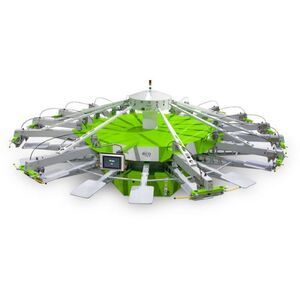
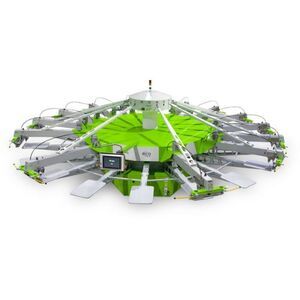
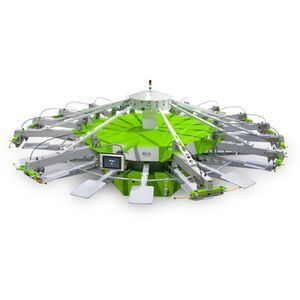
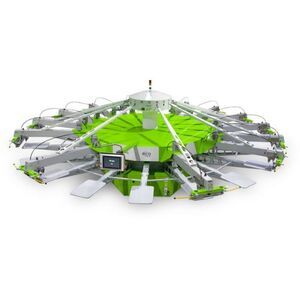
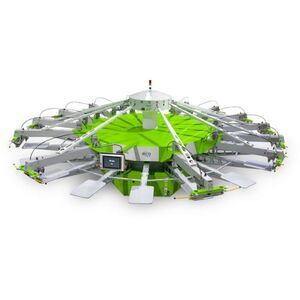
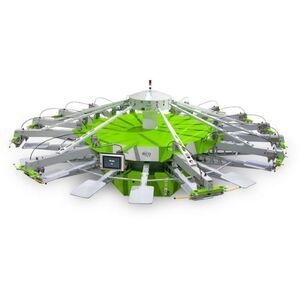
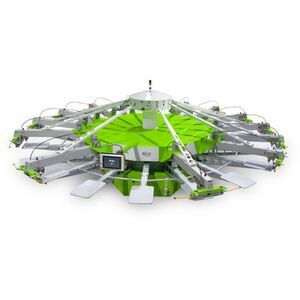
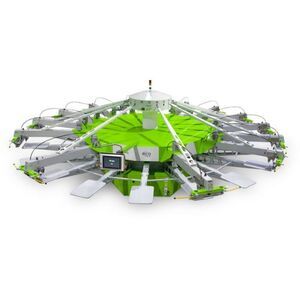
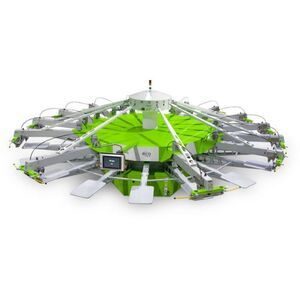
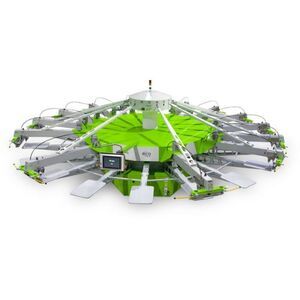
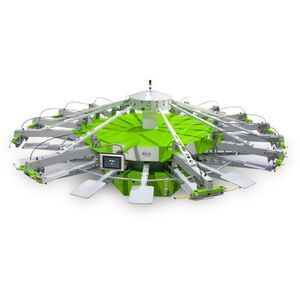
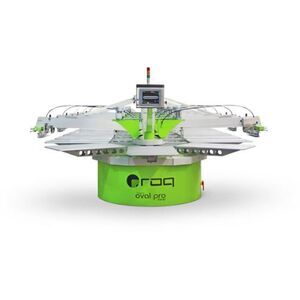
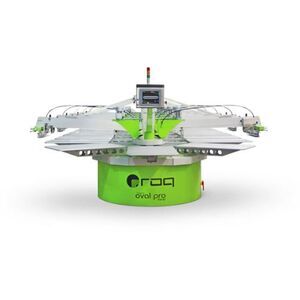
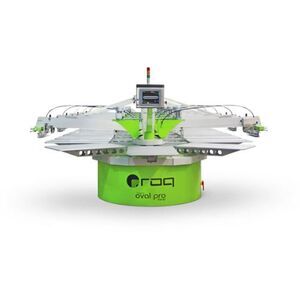
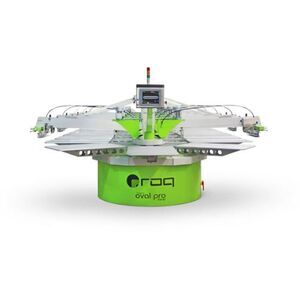
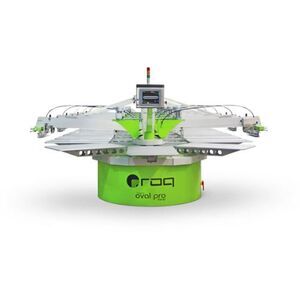
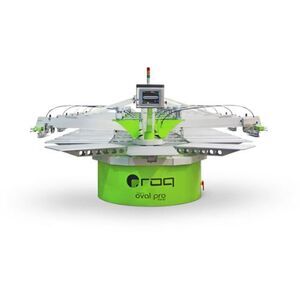
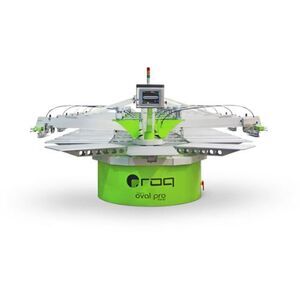
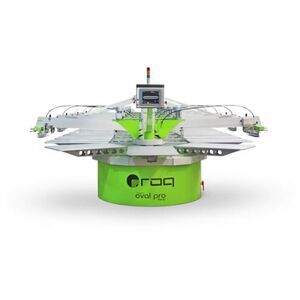
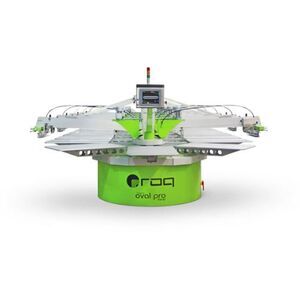
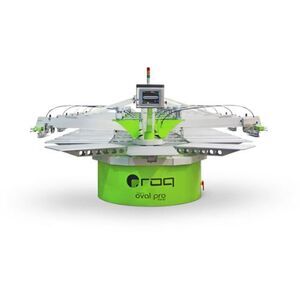
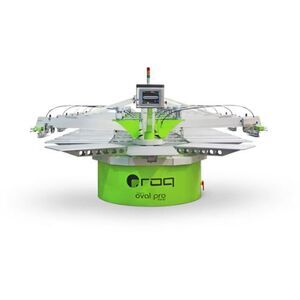
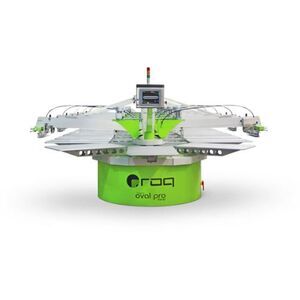
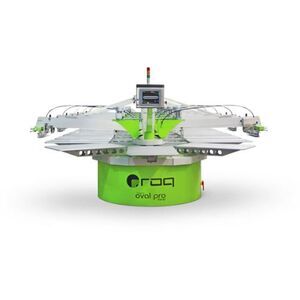
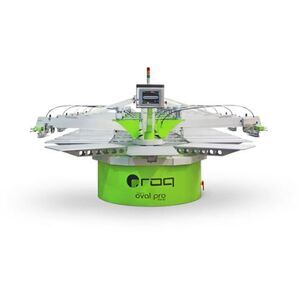
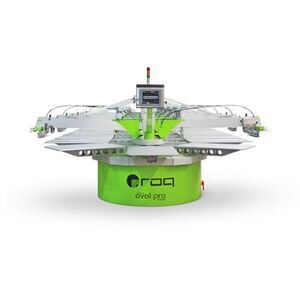
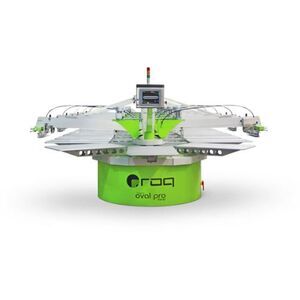
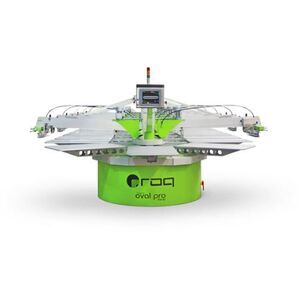
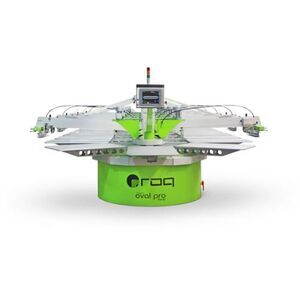
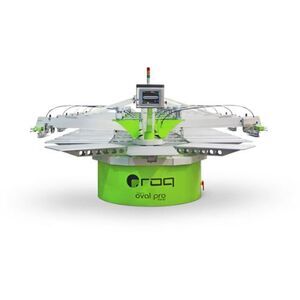
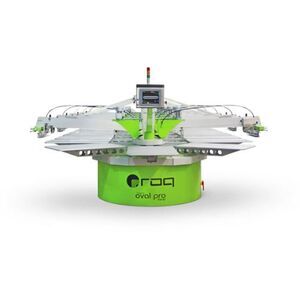
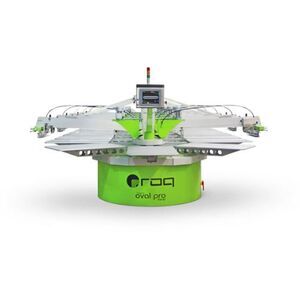
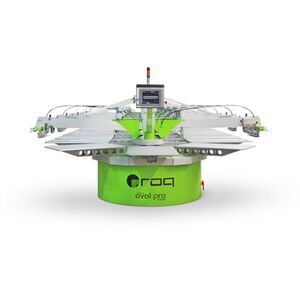
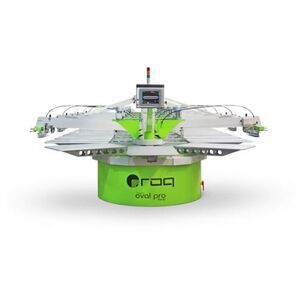
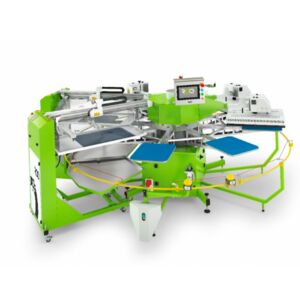
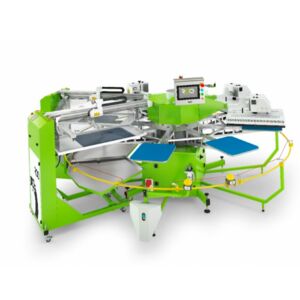
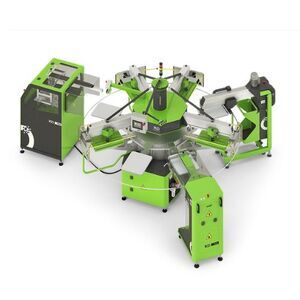
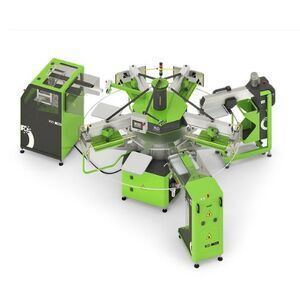
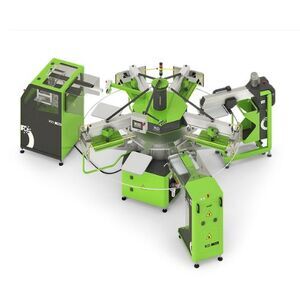
Portuguese-engineered automatic carousel and oval presses — 11 models from the compact Nano to the 44-station Oval Pro. Servo registration, 2–20 colors, and the production standard in 80+ countries.
Explore ROQ
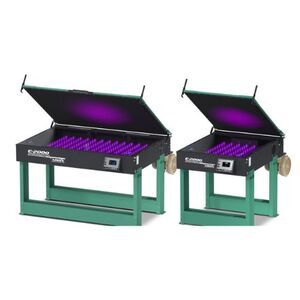
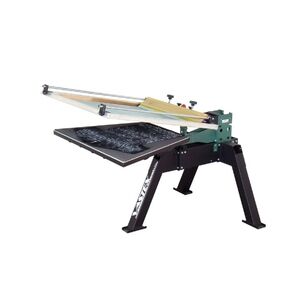
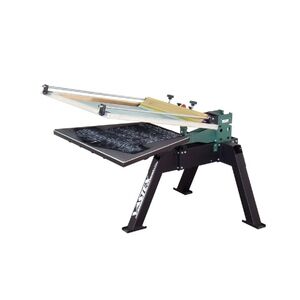
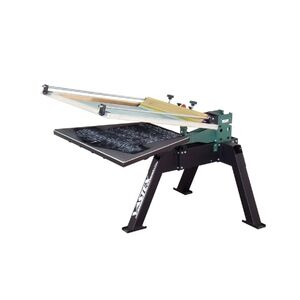
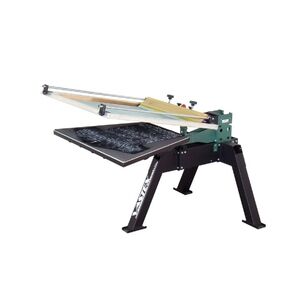
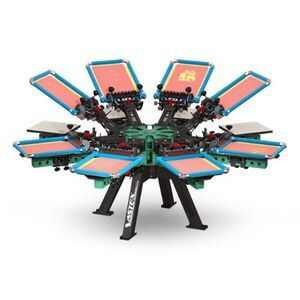
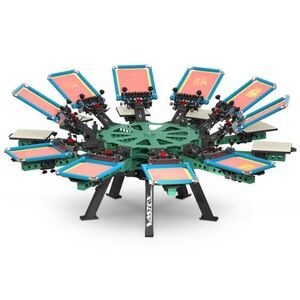
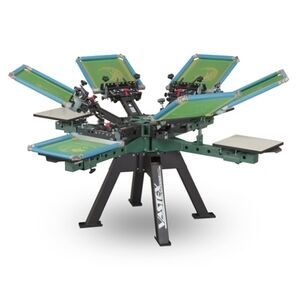
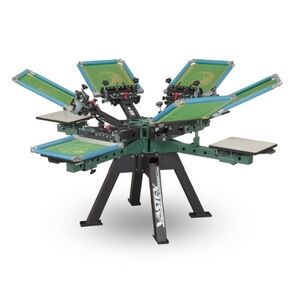
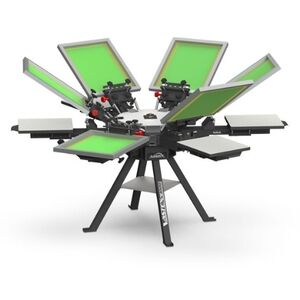
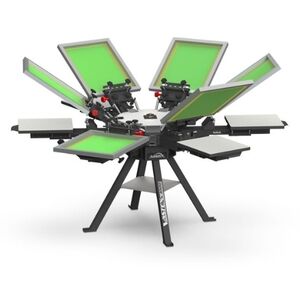
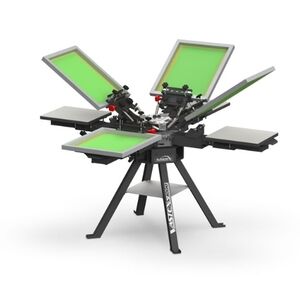
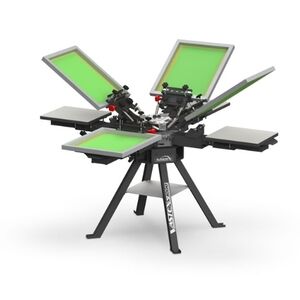
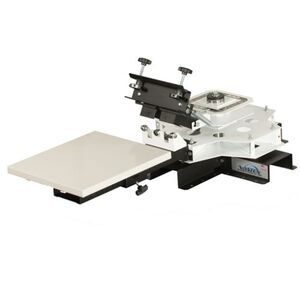
American-made manual presses, conveyor dryers, flash units, and exposure systems. The proven path for startups, samples, and short-run stations alongside your automatic.
Explore Vastex
Computer-to-screen systems that image artwork straight onto coated screens — no film positives, faster screen rooms, tighter registration for shops burning 10+ screens a day.
Explore DTS
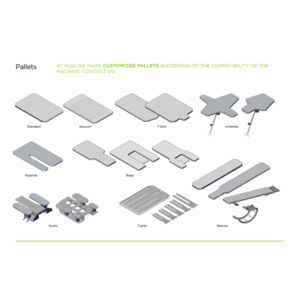
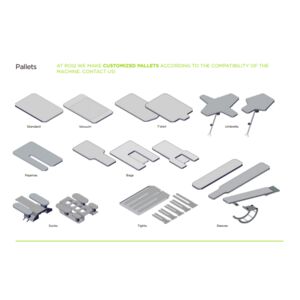
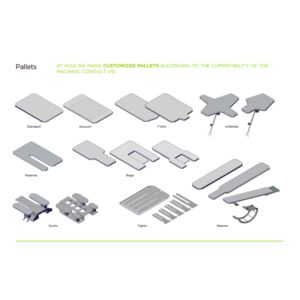
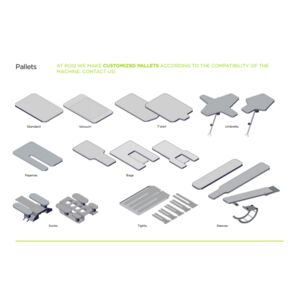
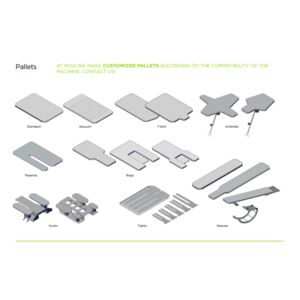
Standard, sleeve, youth, cap, and oversized platens for ROQ, Vastex, and other press brands — plus quick-change systems that cut changeover time between jobs.
Explore Platens
Workhorse presses, conveyor dryers, flash cures, and shop equipment — a trusted American equipment line for growing production floors.
Explore Workhorse
Shop-inspected used presses, dryers, and exposure units. Inventory rotates weekly — call to hear what is on the floor right now or to be alerted when specific gear arrives.
Ask About InventoryThe core decision
Manual vs Automatic Silk Screen Machines
The honest comparison shops actually need. A skilled printer sustains 20–40 prints per hour on a manual press; an automatic runs 400–700+ with one loader. The break-even is volume.
Production
| Factor | Manual Press Vastex | Automatic Press ROQ |
|---|---|---|
| Production Rate | 20–40 prints/hr per skilled operator | 400–700+ prints/hr with one loader; ovals 1,000+ on simple work |
| Print Consistency | Varies with operator fatigue and stroke technique | Servo-controlled stroke — identical pressure, speed, and angle every print |
| Crew Required | 1 printer per press | 1–2 (loader + catcher); machine does the printing |
| Investment Tier | Lowest — startup friendly | Quote-based; entry automatics (ROQ Nano/Fit) to industrial ovals |
| Power & Air | None — human powered | 3×220V three-phase + compressed air; flash units add 9,000–25,500W each |
| Floor Space | Compact — fits small shops and garages | Carousel diameter + loading zone; ovals need dedicated bays |
| Best For | Startups, samples, short runs, art proofing | Contract printing, teamwear, retail programs, 100+ piece runs |
| Typical Path | First press for most shops | Added when weekly volume outgrows manual capacity |
Under the hood
How an Automatic Press Cycle Works
One rotation, every color. Here is the cycle an automatic silk screen machine executes hundreds of times per hour.
The operator smooths the garment onto an adhesive-coated pallet at the load station. On dual-loader ovals, two operators alternate for continuous feed.
The carousel indexes each pallet to the next head with servo motor registration — the precision that keeps multi-color art aligned print after print.
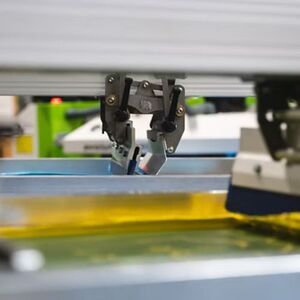
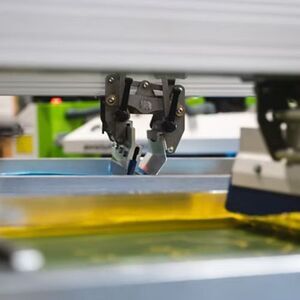
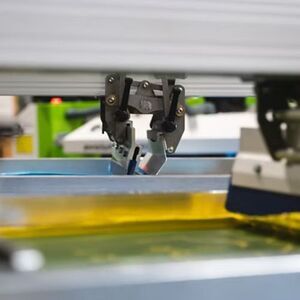
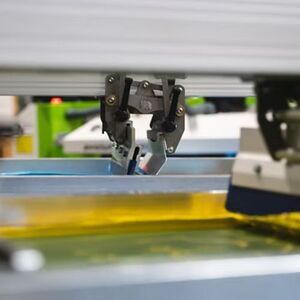
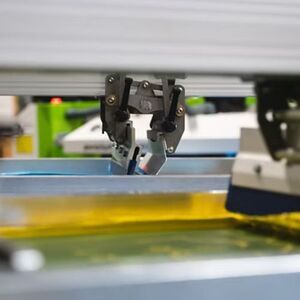
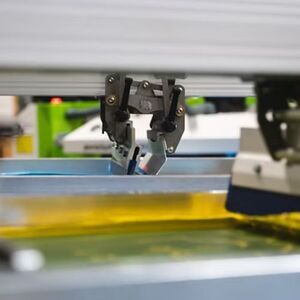
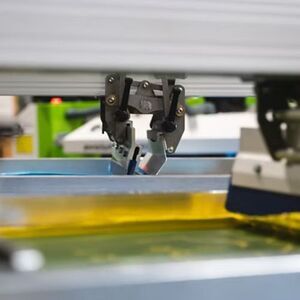
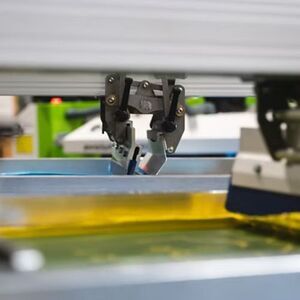
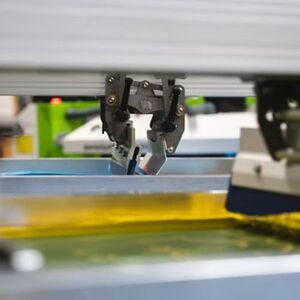
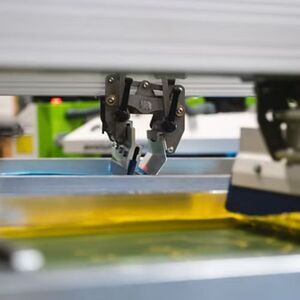
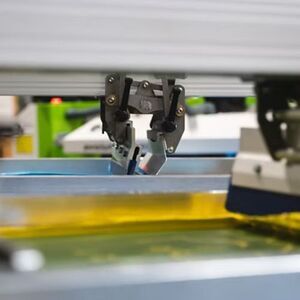
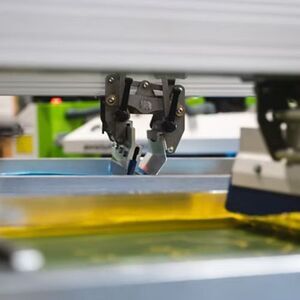
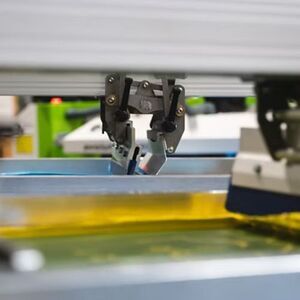
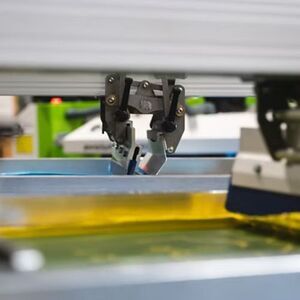
At each color head, the machine executes a flood and squeegee stroke with identical pressure, angle, and speed — the consistency manual printing cannot match at volume.
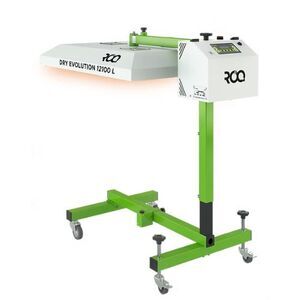
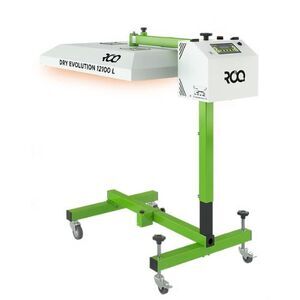
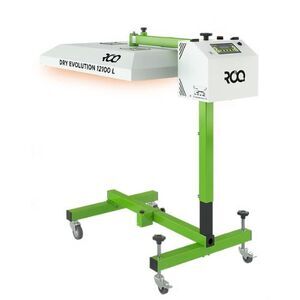
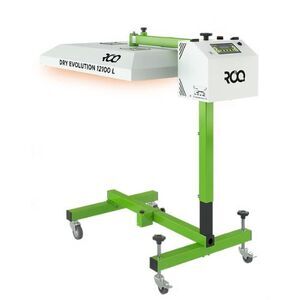
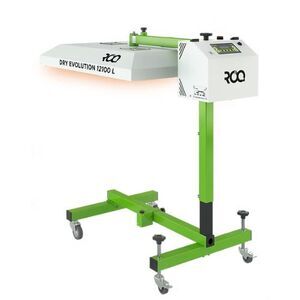
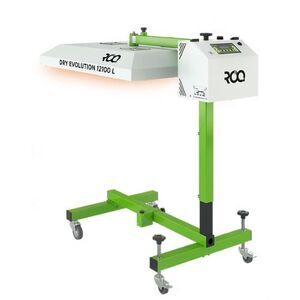
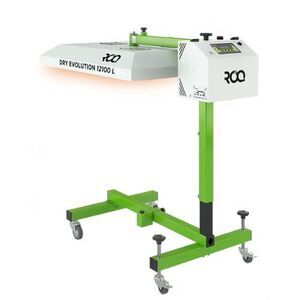
Inline flash units gel the underbase (and wet-sensitive colors) mid-rotation. Smart flashes like the ROQ Evolution probe surface temperature and self-adjust.
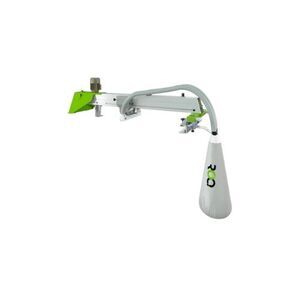
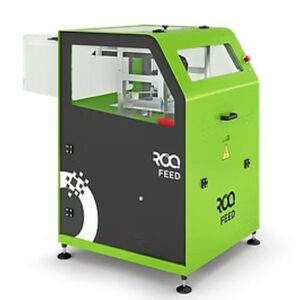
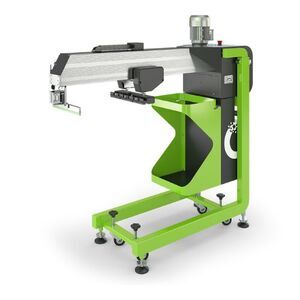
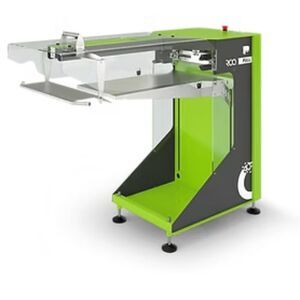
The finished print returns to the unload station. Automatic unloaders like the ROQ Pull can lift garments off the pallet and feed the dryer belt directly.
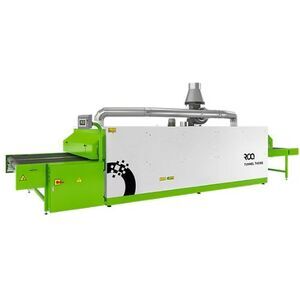
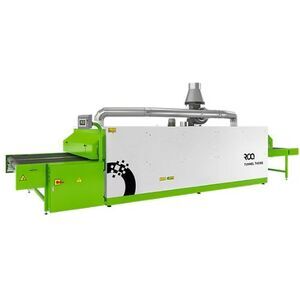
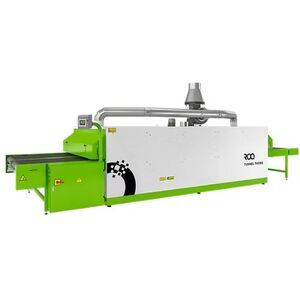
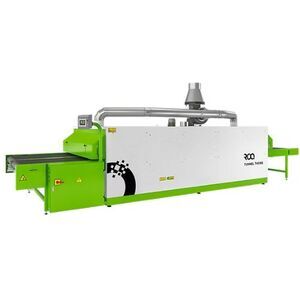
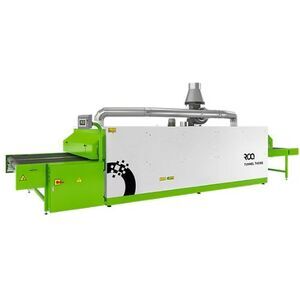
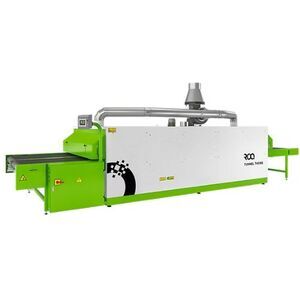
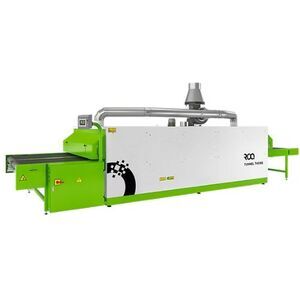
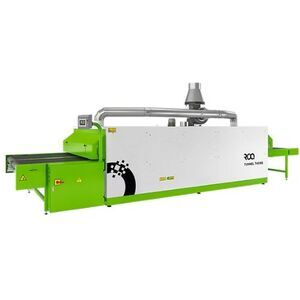
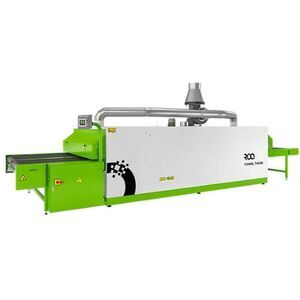
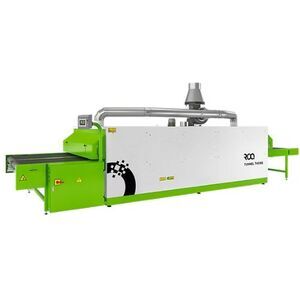
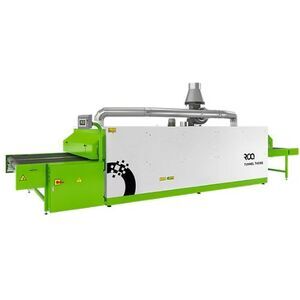
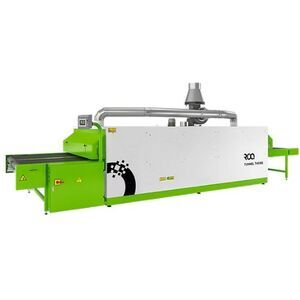
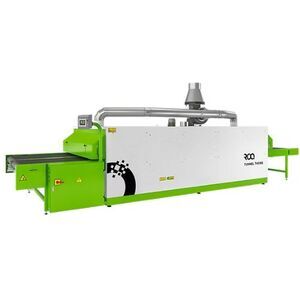
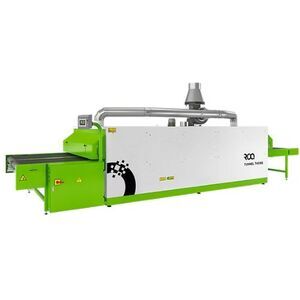
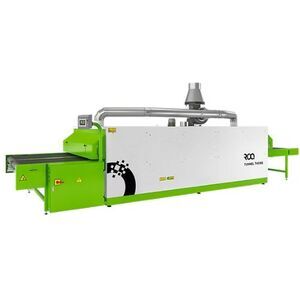
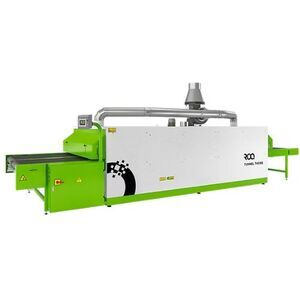
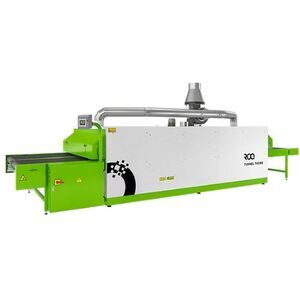
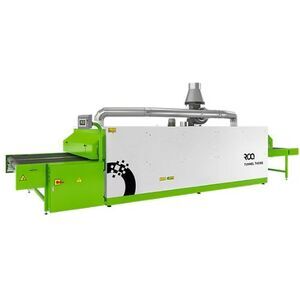
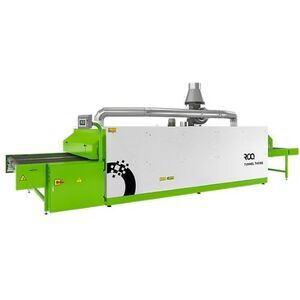
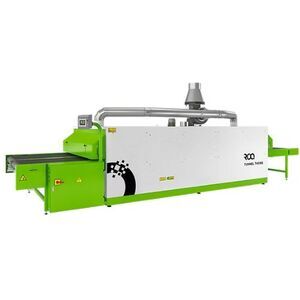
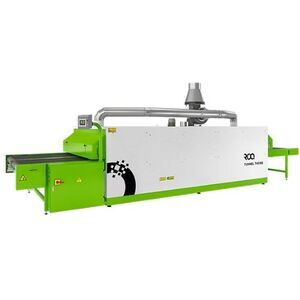
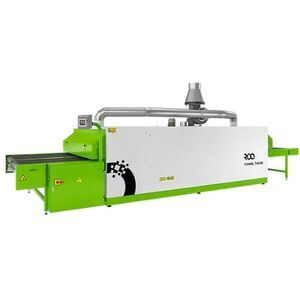
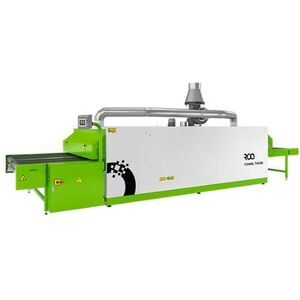
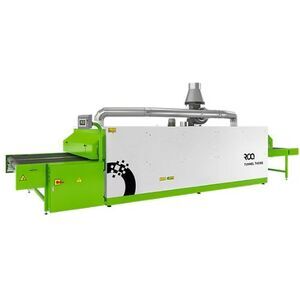
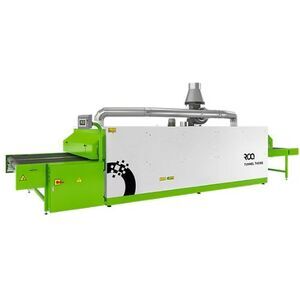
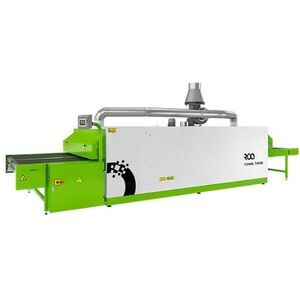
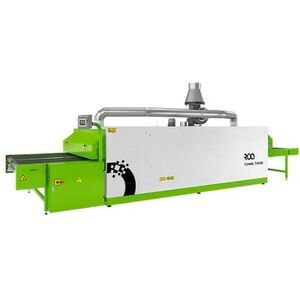
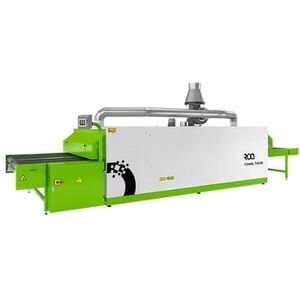
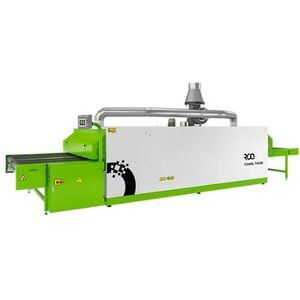
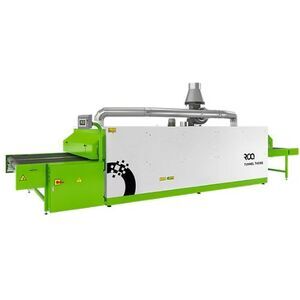
Garments ride a conveyor dryer — like the ROQ Sahara line, 30"–90" belts — where plastisol reaches full cure (typically 320°F through the ink film).
What we carry
The Equipment Lineups
Both dealer lines, summarized. Every configuration is quote-based and matched to your volume, power, and floor plan.
Compact 8–10 station automatics with 2–4 colors — the lowest-investment path from manual to automatic production.
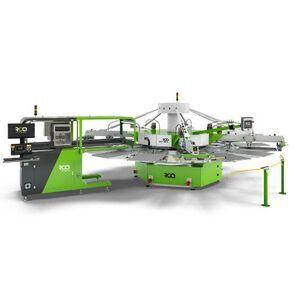
23 configurations, 8–22 stations, 4–20 colors on M (18"×26") or XL (20"×30") platens — the most deployed ROQ in US contract shops.
Enhanced servo registration and build quality for shops where repeatability and uptime are the business model.
Large and oversized platen automatics — 21 configurations up to 20 stations and 18 colors for long-run production.
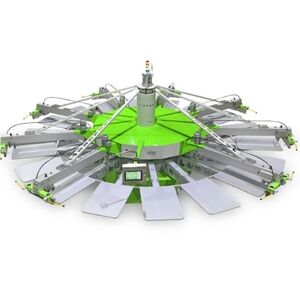
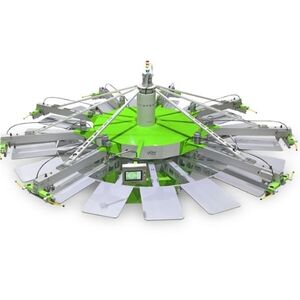
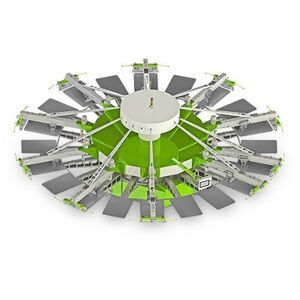
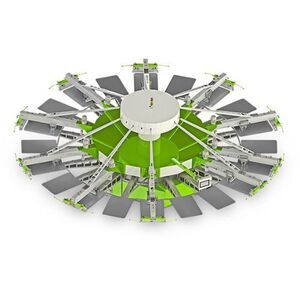
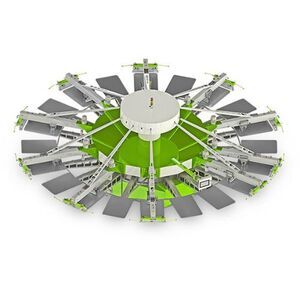
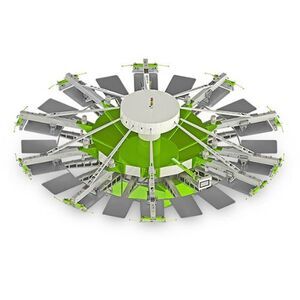
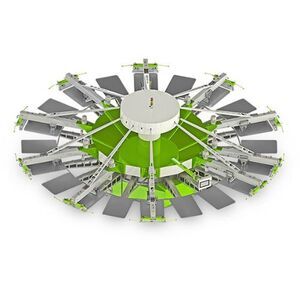
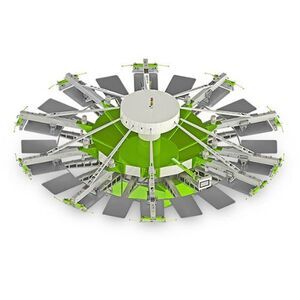
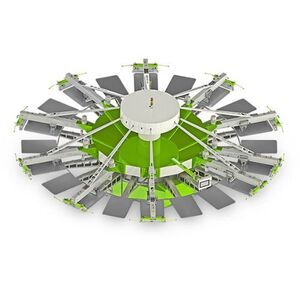
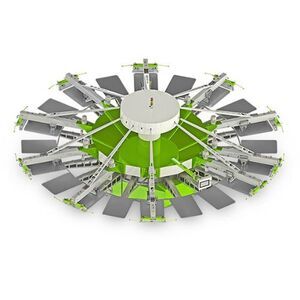
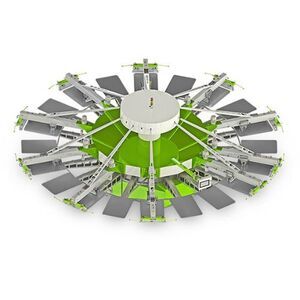
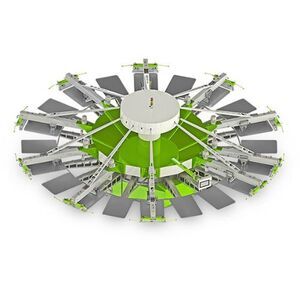
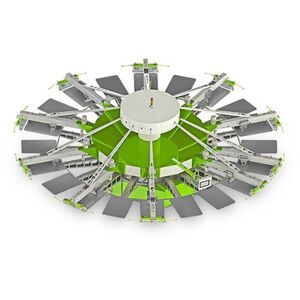
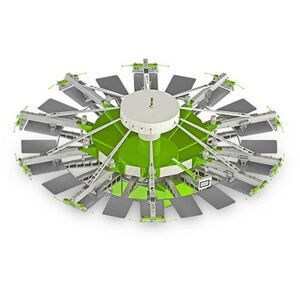
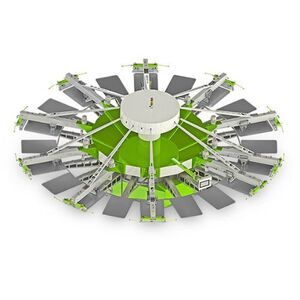
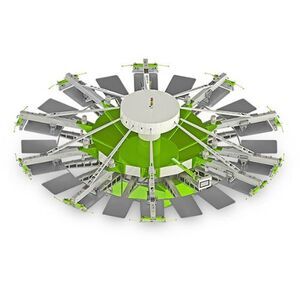
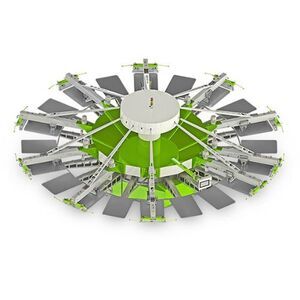
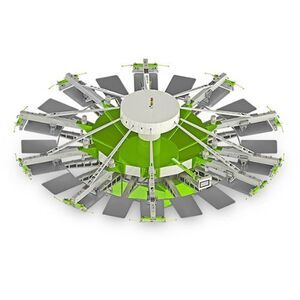
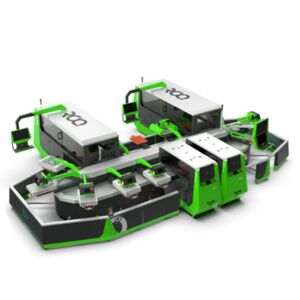
Oval-track presses to 44 stations and 20 colors with multiple flash points — the highest-volume tier ROQ builds.
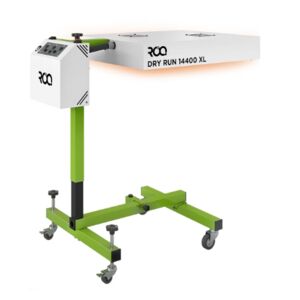
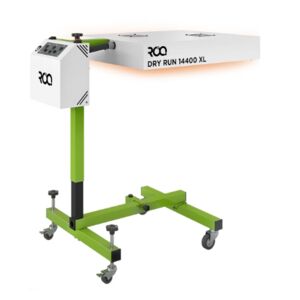
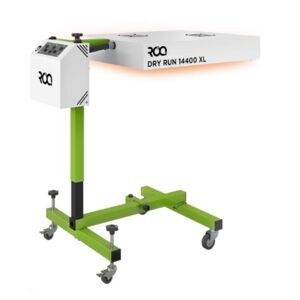
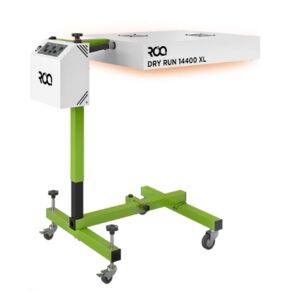
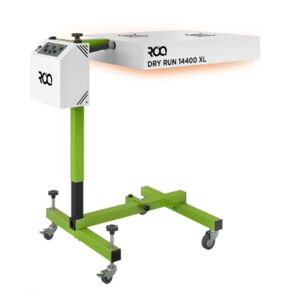
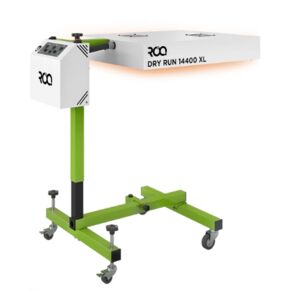
Sahara tunnel dryers in 30"–90" belts, electric and gas, plus Run and Evolution Smart flash units 9,000–25,500W.
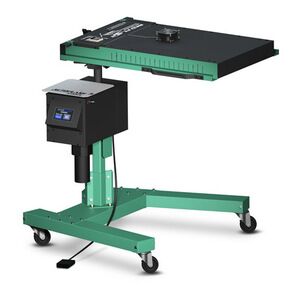
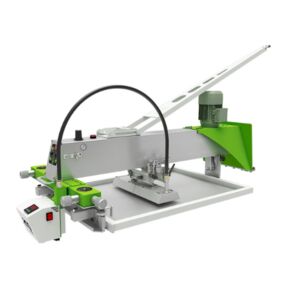
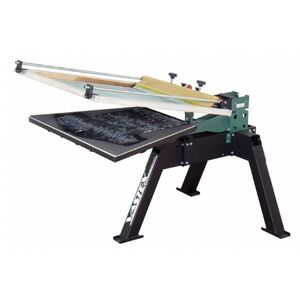
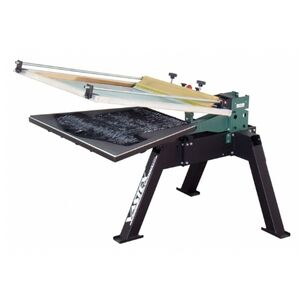
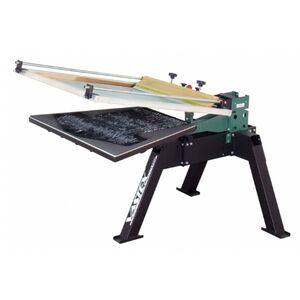
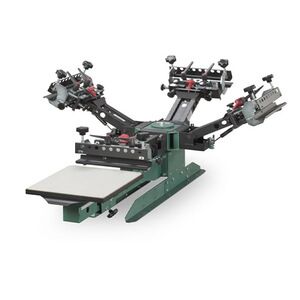
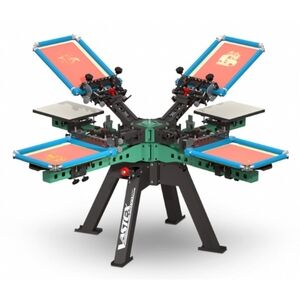
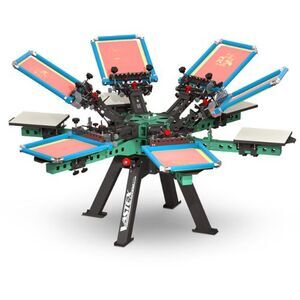
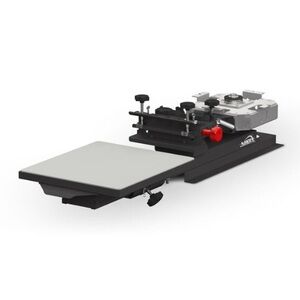
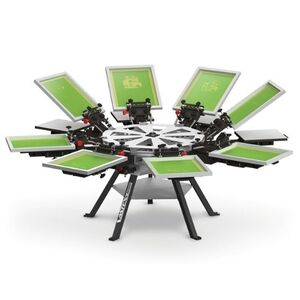
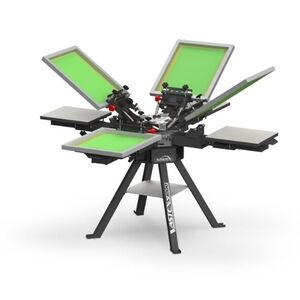
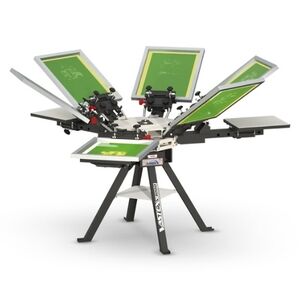
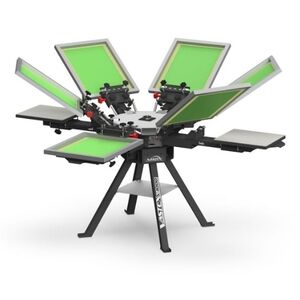
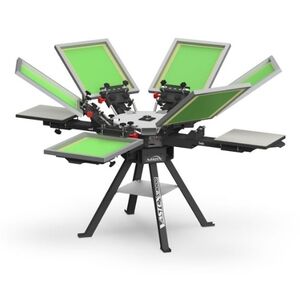
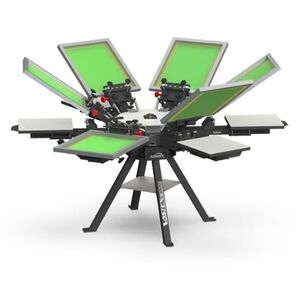
American-made manual carousels from single-station tabletops to multi-color floor presses — micro-registration standard on pro models.
Compact infrared conveyor dryers sized for manual shops through mid-volume production — full plastisol cure in a small footprint.
LED exposure systems for fast, consistent stencils with excellent detail hold on halftones and fine type.
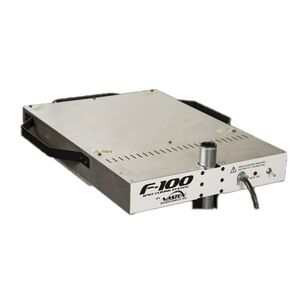
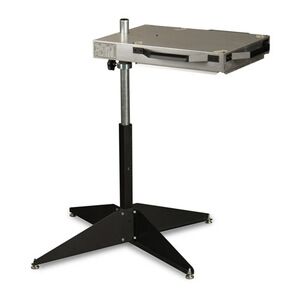
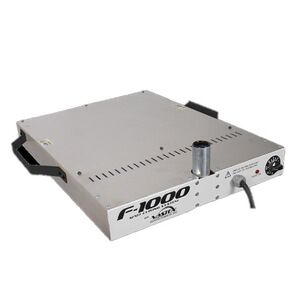
Stand-mounted flash cures for underbase gelling on manual presses and sample stations.
Before you buy
Automatic Press Buying Checklist
The six questions our equipment team walks every buyer through — answer these and the right configuration picks itself.
Pieces per day, not per order. Under ~100/day a manual holds; 100–500 points to an entry or You-class automatic; 500+ justifies premium or oval configurations.
Your typical art drives head count. Buy for the jobs you quote weekly, not the once-a-year 12-color job — but leave 2+ heads of headroom for underbases and flashes.
M (~18"×26") covers standard adult apparel; XL (~20"×30") handles 2XL+, all-over, and large-format teamwear. Oversize once — replatening later costs more.
Automatics need 3×220V three-phase and compressed air. Each flash adds 9,000–25,500W. We review your panel capacity before you commit.
Carousel diameter plus loading clearance plus dryer inline. Ovals trade circular footprint for length — send us your floor dimensions and we CAD-check the fit.
Match the press to where you will be in 24 months. Many shops run Vastex manual stations for samples beside a ROQ automatic for production — plan both lanes.
Quick answers
Automatic Silk Screen Machine FAQ
The questions equipment buyers ask us most.
Send your daily volume, typical color counts, and floor dimensions — we'll spec the machine and quote it.
Explore Buckets of Ink






























































































![BR4D-V30-Infrared Conveyor Dryers-BigRed 4D [Add-On Cubes] -BigRed4D-V30 Cube Only Thumbnail](/ssc/i/blank_product_listing_image_quality/107680936/300/300/FFFFFF/0/0/0/0/product.jpg?1745468677 "BR4D-V30-Infrared Conveyor Dryers-BigRed 4D [Add-On Cubes] -BigRed4D-V30 Cube Only BR4D-V30")
![BR4D-V54-Infrared Conveyor Dryers-BigRed 4D [Add-On Cubes] -BigRed4D-V54 Cube Only Thumbnail](/ssc/i/blank_product_listing_image_quality/107680956/300/300/FFFFFF/0/0/0/0/product.jpg?1745468621 "BR4D-V54-Infrared Conveyor Dryers-BigRed 4D [Add-On Cubes] -BigRed4D-V54 Cube Only BR4D-V54")
![SH-347-240-Infrared Conveyor Dryers-BigRed 4D [Add-On Cubes] -OPTIONAL - Side Heater Assembly Thumbnail](/ssc/i/blank_product_listing_image_quality/107680971/300/300/FFFFFF/0/0/0/0/product.jpg?1745468734 "SH-347-240-Infrared Conveyor Dryers-BigRed 4D [Add-On Cubes] -OPTIONAL - Side Heater Assembly SH-347-240")
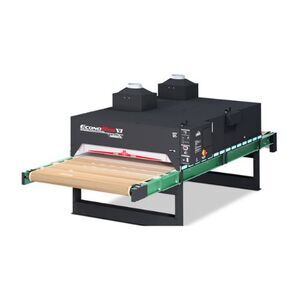
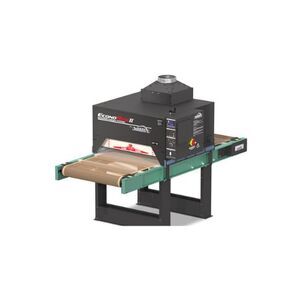
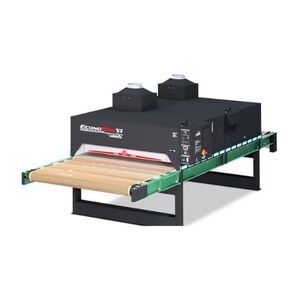
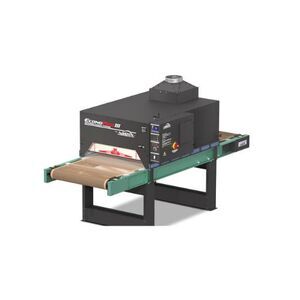
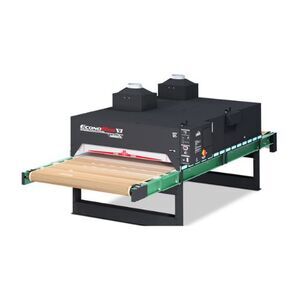
![ER-II-30-Infrared Conveyor Dryers-EconoRed II, III & VI [Add-On Cubes]-EconoRed-II-30 Cube Thumbnail](/ssc/i/blank_product_listing_image_quality/107681266/300/300/FFFFFF/0/0/0/0/product.jpg?1745468815 "ER-II-30-Infrared Conveyor Dryers-EconoRed II, III & VI [Add-On Cubes]-EconoRed-II-30 Cube ER-II-30")
![ER-III-30-Infrared Conveyor Dryers-EconoRed II, III & VI [Add-On Cubes]-EconoRed-III-30 Cube Thumbnail](/ssc/i/blank_product_listing_image_quality/107681296/300/300/FFFFFF/0/0/0/0/product.jpg?1745468868 "ER-III-30-Infrared Conveyor Dryers-EconoRed II, III & VI [Add-On Cubes]-EconoRed-III-30 Cube ER-III-30")
![ER-VI-30-Infrared Conveyor Dryers-EconoRed II, III & VI [Add-On Cubes]-EconoRed-VI-30 Cube Thumbnail](/ssc/i/blank_product_listing_image_quality/107681306/300/300/FFFFFF/0/0/0/0/product.jpg?1745469011 "ER-VI-30-Infrared Conveyor Dryers-EconoRed II, III & VI [Add-On Cubes]-EconoRed-VI-30 Cube ER-VI-30")
![ER-II-54-Infrared Conveyor Dryers-EconoRed II, III & VI [Add-On Cubes]-EconoRed-II-54 Cube Thumbnail](/ssc/i/blank_product_listing_image_quality/107681321/300/300/FFFFFF/0/0/0/0/product.jpg?1745469122 "ER-II-54-Infrared Conveyor Dryers-EconoRed II, III & VI [Add-On Cubes]-EconoRed-II-54 Cube ER-II-54")
![ER-III-54-Infrared Conveyor Dryers-EconoRed II, III & VI [Add-On Cubes]-EconoRed-III-54 Cube Thumbnail](/ssc/i/blank_product_listing_image_quality/107681341/300/300/FFFFFF/0/0/0/0/product.jpg?1745469229 "ER-III-54-Infrared Conveyor Dryers-EconoRed II, III & VI [Add-On Cubes]-EconoRed-III-54 Cube ER-III-54")
![ER-VI-54-Infrared Conveyor Dryers-EconoRed II, III & VI [Add-On Cubes]-EconoRed-VI-54 Cube Thumbnail](/ssc/i/blank_product_listing_image_quality/107681371/300/300/FFFFFF/0/0/0/0/product.jpg?1745469318 "ER-VI-54-Infrared Conveyor Dryers-EconoRed II, III & VI [Add-On Cubes]-EconoRed-VI-54 Cube ER-VI-54")
![ER-III-78-Infrared Conveyor Dryers-EconoRed II, III & VI [Add-On Cubes]-EconoRed-III-78 Thumbnail](/ssc/i/blank_product_listing_image_quality/107681386/300/300/FFFFFF/0/0/0/0/product.jpg?1745469507 "ER-III-78-Infrared Conveyor Dryers-EconoRed II, III & VI [Add-On Cubes]-EconoRed-III-78 ER-III-78")
![ER-VI-78-480-Infrared Conveyor Dryers-EconoRed II, III & VI [Add-On Cubes]-EconoRed-VI-78 Thumbnail](/ssc/i/blank_product_listing_image_quality/107681401/300/300/FFFFFF/0/0/0/0/product.jpg?1745469584 "ER-VI-78-480-Infrared Conveyor Dryers-EconoRed II, III & VI [Add-On Cubes]-EconoRed-VI-78 ER-VI-78-480")


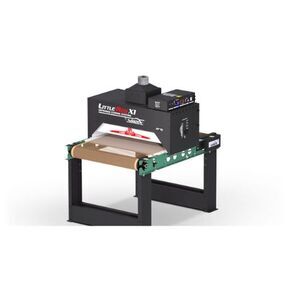

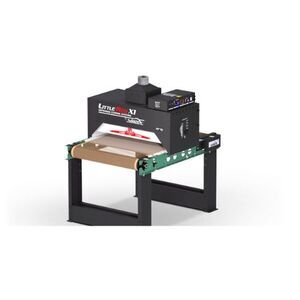
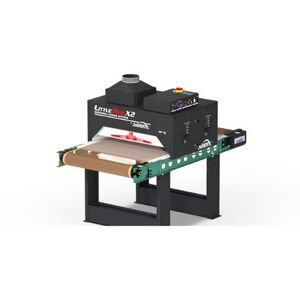
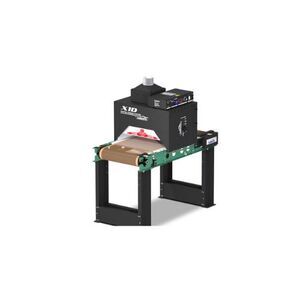
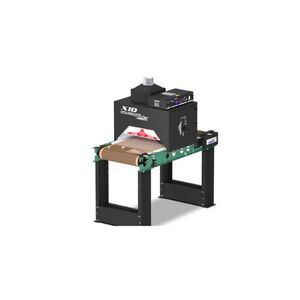
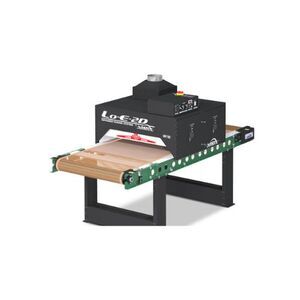
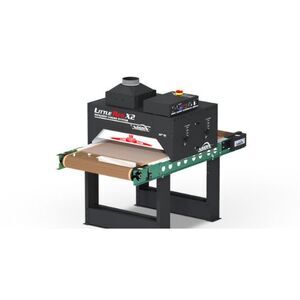
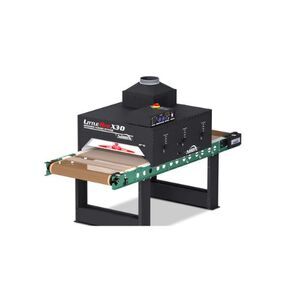
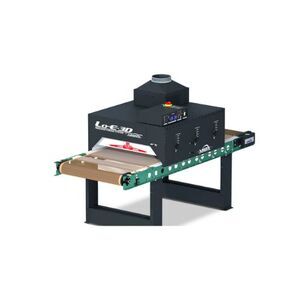
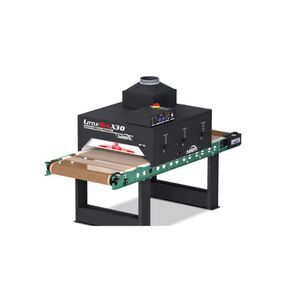
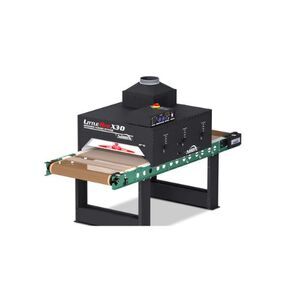
![LR-X1-30-(120 or 240-Infrared Conveyor Dryers-LittleRed [Add-On Cubes] - 30" & 54"-LittleRed X1 30 Thumbnail](/ssc/i/blank_product_listing_image_quality/107684396/300/300/FFFFFF/0/0/0/0/product.jpg?1745477957 "LR-X1-30-(120 or 240-Infrared Conveyor Dryers-LittleRed [Add-On Cubes] - 30\" & 54\"-LittleRed X1 30 LR-X1-30-(120 or 240)")
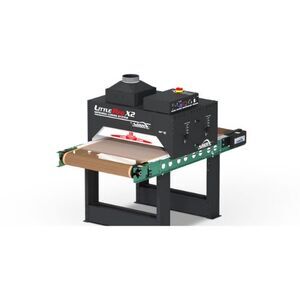
![LR-X2-30-240-Infrared Conveyor Dryers-[Add-On Cubes] - 30", 54"-LittleRed X2 30 Thumbnail](/ssc/i/blank_product_listing_image_quality/107684466/300/300/FFFFFF/0/0/0/0/product.jpg?1792255524 "LR-X2-30-240-Infrared Conveyor Dryers-[Add-On Cubes] - 30\", 54\"-LittleRed X2 30 VAS-LR-X2-30-240")
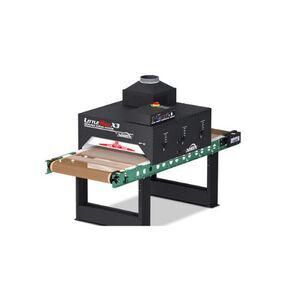
![LR-X1-54-240-Infrared Conveyor Dryers-LittleRed [Add-On Cubes]-30", 54" -LittleRed X1 54 Thumbnail](/ssc/i/blank_product_listing_image_quality/107684476/300/300/FFFFFF/0/0/0/0/product.jpg?1745478454 "LR-X1-54-240-Infrared Conveyor Dryers-LittleRed [Add-On Cubes]-30\", 54\" -LittleRed X1 54 LR-X1-54-240")
![LR-X2-54-240-Infrared Conveyor Dryers-LittleRed [Add-On Cubes] - 30" & 54"-LittleRed X2 54 Thumbnail](/ssc/i/blank_product_listing_image_quality/107684486/300/300/FFFFFF/0/0/0/0/product.jpg?1745478623 "LR-X2-54-240-Infrared Conveyor Dryers-LittleRed [Add-On Cubes] - 30\" & 54\"-LittleRed X2 54 LR-X2-54-240")
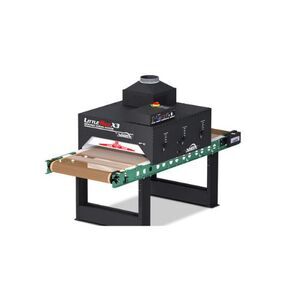
![LR-X3-54-240-Infrared Conveyor Dryers-LittleRed [Add-On Cubes] - 30", 54"-LittleRed X3 54 Thumbnail](/ssc/i/blank_product_listing_image_quality/107684501/300/300/FFFFFF/0/0/0/0/product.jpg?1745478826 "LR-X3-54-240-Infrared Conveyor Dryers-LittleRed [Add-On Cubes] - 30\", 54\"-LittleRed X3 54 LR-X3-54-240")