Screen Printing Equipment | Silk Screen Printing Equipment
Pro-Grade Tools for Consistent, Scalable Printing
Build a shop that performs with screen printing equipment selected for accuracy, repeatability, and throughput. From manual and automatic presses to LED exposure units, flash and conveyor dryers, and washout solutions, Buckets of Ink outfits your production with gear that protects registration, cure, and finish.
Presses that Match Your Volume and Art Mix
Manual presses deliver nimble setup and tactile control for short runs, sampling, and frequent changeovers. Automatic presses apply steady squeegee speed and pressure across the print area for long runs and tight deadlines. Align head count, palette size, and micro-registration features to your average art size and daily targets, then standardize pallets and off-contact to keep edges sharp.
LED Exposure Units for Fast, Repeatable Stencils
Modern LED exposure delivers rapid, cool, and consistent stencil making with excellent detail and less undercutting. Pair an LED unit with quality dual-cure or pure photopolymer emulsion, maintain a light-safe coating room, and track exposure time with a step wedge so halftones and micro-type hold during long runs.
Flash Dryers and Conveyor Dryers that Cure with Confidence
A reliable flash stabilizes underbases and traps colors without scorching. A tuned conveyor dryer completes cure with controlled belt speed and temperature, ensuring hand remains soft and wash performance stays strong. Verify core temperature with test strips or a probe and log dwell times to keep garments leaving the tunnel consistent.
Washout Booths, Screens, and Registration that Protect Detail
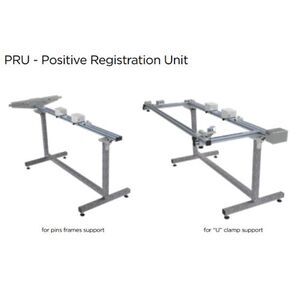
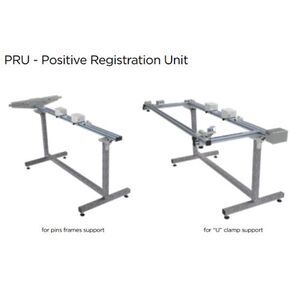
Clean, well-lit washout areas make reclaim predictable, while proper filtration keeps drains compliant and spray safe. Choose high-tension mesh for edge acuity, match squeegee durometer to ink and mesh, and use registration systems that position screens quickly so operators can focus on ink control and print cadence.
Integrated Workflow from Darkroom to Dryer
Consistent results come from a tuned stack. Start with coated and dried screens, expose to spec, verify tension and off-contact, and manage ink viscosity and flood cadence on press. Move through a flash and tunnel with stable parameters, then evaluate prints for cure, gloss, and stretch. With a repeatable routine, proofs turn into profitable orders that feel and look premium.
Supplies that Support Professional Output
Round out your equipment with plastisol inks, emulsions and reclaim chemistry, squeegees, and pre-stretched screens. Standardized materials keep profiles steady across teams and shifts.
Anchored Paths to Buy and Learn
Shop screen printing presses, compare exposure units, dial finishing with conveyor dryers, and maintain clarity with washout booths. For specialty effects and apparel-ready looks, explore specialty inks that add value without slowing cadence.
Nationwide Supply, Setup Guidance, and Real-Shop Support
Buckets of Ink ships equipment, installs workflows, and trains operators with practical checks for exposure, registration, flash timing, and tunnel cure. We align gear to your art sizes, fabric mix, and deadlines so crews print faster, waste less, and maintain the finish your clients expect.
Business Listing and Contact
Buckets of Ink, 906 S. Priest Dr, Suite 101, Tempe, AZ 85281. Phone: +1-888-704-INKS. Website: www.bucketsofink.com. Talk with our team to size presses, dryers, and exposure units to your throughput goals and budget.
Silk screen machine: manual or automatic
A silk screen machine is a screen printing press. A manual silk screen machine, such as the Vastex V-1000 or V-2000HD, is turned by hand and is the lowest-cost way to start. An automatic machine, such as the ROQ presses, indexes the pallets and pulls the squeegees for you, and prints hundreds of shirts an hour. Both need a dryer to cure the ink.
Related: T-shirt screen printing machine · screen printing machine for beginners.
Is a silk screen machine the same as a screen printing machine?
Yes. Silk screen is the older name for screen printing, so a silk screen machine, silk screen press and screen printing machine all mean the same press. Modern screens use polyester mesh instead of silk.