

Heat Press For
DTF Printing
Shop professional heat press machines for DTF — Geo Knight and CobraFlex presses in stock from $500 — and master the exact time, temperature, and pressure settings that make DTF transfers survive 50+ washes. From the DTF equipment team at Buckets of Ink, Tempe, AZ.
Quick Reference — Cotton DTF
Pre-press garment 3–5 seconds first. Cover with parchment for the finishing press. Polyester: drop to 270–285°F. Starting points only — settings vary by press, film, and powder. Always test first.
In Stock — Tempe, AZ
DTF Heat Press Machines
Four press platforms covering every stage of DTF production — from the American-made Geo Knight DK16 clamshell to the air-powered CobraFlex Pneumatic Dual for continuous fulfillment. All available for local pickup or nationwide shipping.
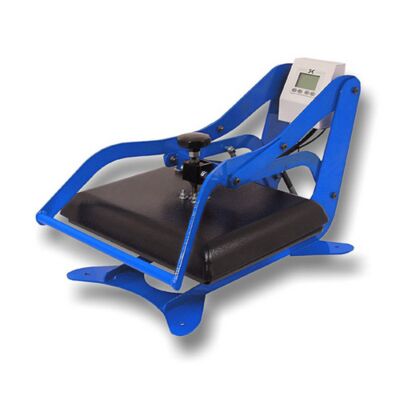
Geo Knight DK16 Clamshell Heat Press
14" × 16" (36 × 41 cm) — 120V SKU: 04-13-278American-made Geo Knight clamshell — the proven entry point for DTF t-shirt pressing. Accurate digital temperature control, even platen heat, and legendary Geo Knight build quality on standard 120V power.
- 14"×16" platen
- Clamshell design
- 120V standard outlet
- Digital time & temp control


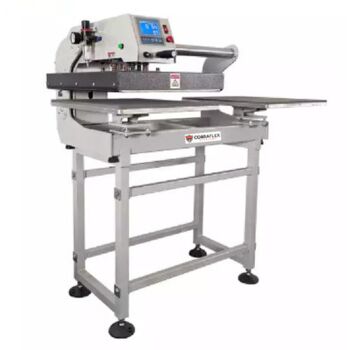
CobraFlex Pneumatic Dual Heat Press
Dual Station — Air-Powered Automatic SKU: CF-Dual-Air-2NAir-powered dual-station press built for DTF production — load one platen while the other presses. Identical pneumatic pressure every cycle, auto-open timing, and fast thermal recovery for continuous transfer output.
- Dual alternating stations
- Pneumatic auto pressure
- Auto-open digital timer
- 16"×20"+ DTF ready
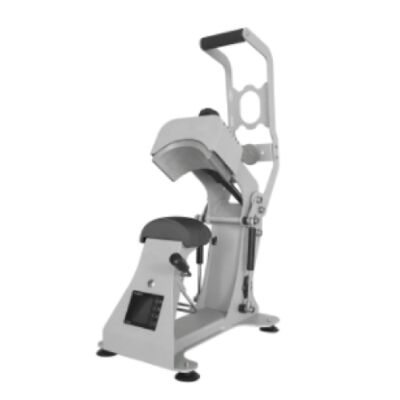
CobraFlex Hat Heat Press Machine
Curved Platen Cap Press SKU: CF-CP2815-2Curved-platen press for applying DTF transfers to structured caps, beanies, and curved-brim hats. Even pressure across the crown for clean, durable headwear decoration — a fast-growing DTF product line.
- Curved cap platen
- Fits structured & trucker caps
- Digital time & temp
- Hold-down cap clamp

CobraFlex Quick Release Platens (Set of 5)
Interchangeable Platen System SKU: FUJ-Platen SetFive interchangeable quick-release platens for sleeves, pockets, youth sizes, and specialty placements. Swap sizes in seconds to press any garment zone without repositioning workarounds.
- 5 platen sizes included
- Quick-release swap
- Sleeve / pocket / youth
- Fits CobraFlex presses
Why It Matters
The Press Is Half of Every DTF Print
A DTF transfer is only as good as its application. The printer, ink, film, and powder create the transfer — but the heat press determines whether that transfer survives 5 washes or 50. Temperature accuracy, even platen pressure, and correct technique are what separate professional DTF output from prints that crack and peel.
Buckets of Ink has supplied Arizona garment decorators since 1981. Every press we sell is one we have tested against real DTF production — pressure verified, platen temperature mapped, and matched to CobraFlex and DuPont Artistri transfer workflows.
Press Specs
Starting-point values — actual settings vary by press, film, powder, and garment. Full disclaimer under the settings chart below.
 Buckets of Ink — 906 S Priest Dr #101, Tempe, AZ
Step-by-Step
How to Press a DTF Transfer
The complete professional application process — six steps from bare garment to wash-durable print. Total hands-on time: under two minutes per garment.
Set your press to the target temperature for your fabric and let the platen fully stabilize before the first press. Many presses read 10–20°F above actual surface temperature — verify with an infrared thermometer if adhesion is inconsistent.
310–325°F cotton / 270–285°F polyPress the bare garment for 3–5 seconds to drive out moisture and flatten wrinkles, seams, and fabric nap. Moisture is the number one cause of DTF adhesion failure — this step is not optional.
3–5 seconds, no transferPlace the DTF transfer ink-side down on the garment. Standard full-chest placement is 2–3" below the collar, centered. For precision placement on gang sheet pieces, use a t-square ruler or laser alignment.
Ink side down, 2–3" below collarClose the press with medium-firm pressure for 10–15 seconds (cotton). The hot-melt adhesive must fully liquefy and penetrate the fabric fibers — insufficient pressure or time leaves the adhesive sitting on the surface where it will crack.
10–15 sec, medium-firmPeel according to your film type: hot peel film peels immediately in one smooth, low-angle motion; cold/instant peel film follows its manufacturer spec. If ink lifts with the film, you pressed too cool, too short, or too light.
Match your film's peel specCover the design with parchment paper or a Teflon sheet and press again for 5–10 seconds. This seats the ink into the fibers, dramatically improves wash durability, and produces the soft matte finish customers prefer.
5–10 sec with parchment coverSettings Chart
DTF Heat Press Settings by Fabric
The reference table for pressing DTF transfers on every common garment material. When in doubt, test on an inside seam first — one test press saves a ruined garment.
| Fabric | Temperature | Time | Pressure | Notes |
|---|---|---|---|---|
| 100% Cotton | 310–325°F | 10–15 sec | Medium-Firm | Standard DTF settings. Cotton tolerates full heat; press firmly for maximum adhesive penetration into fibers. |
| Cotton/Poly Blends | 300–310°F | 10–12 sec | Medium | Reduce temperature slightly to protect the polyester content while maintaining bond strength. |
| 100% Polyester | 270–285°F | 8–10 sec | Medium | Low-temp pressing prevents dye migration and scorch marks on performance fabrics. Use low-cure DTF powder if available. |
| Athletic / Performance | 265–280°F | 8–10 sec | Light-Medium | Moisture-wicking synthetics are heat-sensitive. Test on an inside seam first. Cover with parchment. |
| Nylon | 265–275°F | 8–10 sec | Light-Medium | Very heat-sensitive. Low temperature, shorter dwell, and always test first. Some nylon requires adhesive-boost powder. |
| Fleece / Sweatshirts | 300–315°F | 12–15 sec | Medium-Firm | Pre-press 3–5 seconds to flatten the nap and remove moisture before applying the transfer. |
| Canvas / Denim | 315–325°F | 15 sec | Firm | Heavy fabrics need full pressure to seat the adhesive. Pre-press to flatten seams and thick weaves. |
| Leather / Faux Leather | 250–265°F | 8 sec | Light | Very low temperature to avoid surface damage. Always test. Cold peel recommended regardless of film type. |
The settings above are general starting points, not guarantees. Actual results vary with your specific press brand and calibration, film brand and peel type, adhesive powder formulation, garment construction, and even shop humidity and altitude. Press displays commonly read 10–20°F above true platen surface temperature — verify with an infrared thermometer. Always test on scrap fabric or an inside seam before production runs, and follow your film and powder manufacturer's specifications wherever they differ from this chart. Buckets of Ink provides these values as guidance only and is not responsible for garment or transfer results from untested settings. Questions about your specific setup? Call (480) 229-7806 — we will help you dial it in.
Choosing Your Press
4 Types of Heat Press for DTF
Every heat press style can apply DTF transfers — the differences are in pressure evenness, loading safety, speed, and cost. Here is how each type fits DTF production.
Clamshell Heat Press
- Smallest footprint — opens vertically like a clamshell
- Fastest operation for high-volume repetitive pressing
- Lower cost than swing-away designs
- Ideal for t-shirts and flat garments
- Heat platen hovers over hands during loading
- Slightly less even pressure on thick items
Swing-Away Heat Press
- Upper platen swings fully away — safe, heat-free loading
- Perfectly vertical pressure — the most even press possible
- Handles thick substrates (hoodies, jackets, zippers)
- Best choice where even pressure = even adhesion
- Requires more bench space for the swing radius
- Slightly slower cycle than clamshell
Drawer / Slide-Out Press
- Lower platen slides out like a drawer for loading
- Clamshell footprint with swing-away safety
- Excellent visibility when positioning transfers
- Precise placement for DTF gang sheet pieces
- Moving lower platen adds mechanical complexity
- Mid-range price point
Automatic / Pneumatic Press
- Air-powered pressure — identical force every press
- Auto-release eliminates operator timing errors
- Dual-station models double throughput
- The standard for fulfillment and contract DTF
- Requires air compressor
- Highest investment tier

Complete Your Setup
Pair Your Press with a Complete DTF Line
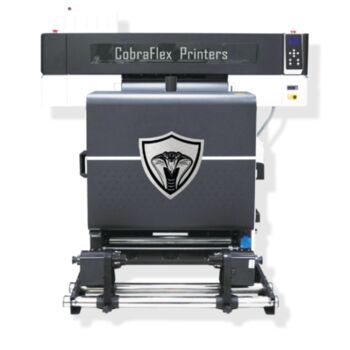
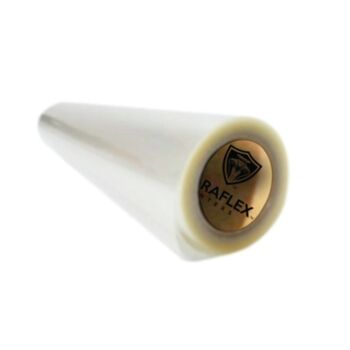
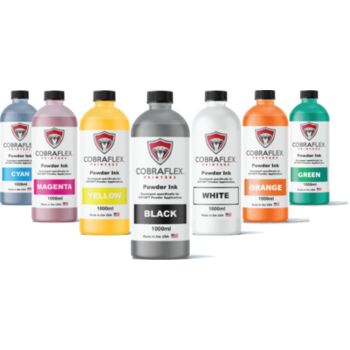
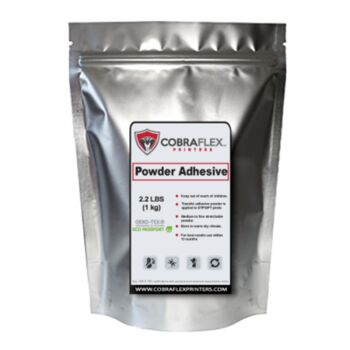
A heat press is the final station of the DTF workflow. Buckets of Ink stocks the full production chain — CobraFlex printers, shaker dryers, air scrubbers, DuPont Artistri inks, and transfer film — all tested together so your transfers press cleanly every time.

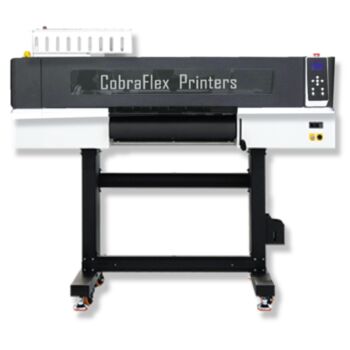
13" to 63" roll-fed systems with Epson i3200 printheads — the transfers your press will apply.

Powder application and curing calibrated to each printer size — full melt without burning the ink.

Filtration for enclosed DTF production spaces — protect operators and equipment.

Contour-cut individual transfers from gang sheets automatically — no scissors, no manual trimming between presses.
Troubleshooting
6 DTF Pressing Mistakes That Ruin Transfers
Nearly every DTF adhesion failure traces back to one of these six errors. Each is preventable.
Garment moisture turns to steam under the platen, creating a vapor barrier between adhesive and fibers. The transfer looks fine — until the first wash.
Press displays commonly read 10–20°F above actual platen surface temperature, and cheap presses have cold corners and hot centers.
Seams, zippers, and buttons lift the platen off the print area, leaving zones where the adhesive never contacts the fabric properly.
Hot-peeling a cold peel film — or waiting too long on a hot peel film — lifts ink with the carrier or leaves adhesive residue behind.
Without the finishing press, the ink layer sits proud of the fabric with a glossy film-side sheen — and loses significant wash durability.
Pressing performance fabrics at cotton temperatures causes dye migration — garment dye bleeding up through the transfer — plus scorch marks.
Browse DTF Categories
Everything DTF at Buckets of Ink
Shop the complete DTF catalog — every category ships from our Tempe, AZ warehouse.

Questions and Answers
Heat Press For DTF Printing FAQ
Ready to Build Your DTF Setup?
From a single Geo Knight press to a complete CobraFlex production line — printer, shaker dryer, film, DuPont inks, and press — our team will spec the right equipment for your volume and budget.
