Best DTF Ink for High-Quality Prints in Arizona | Buckets of Ink
Arizona’s Source for Vivid, Durable Direct‑to‑Film Color
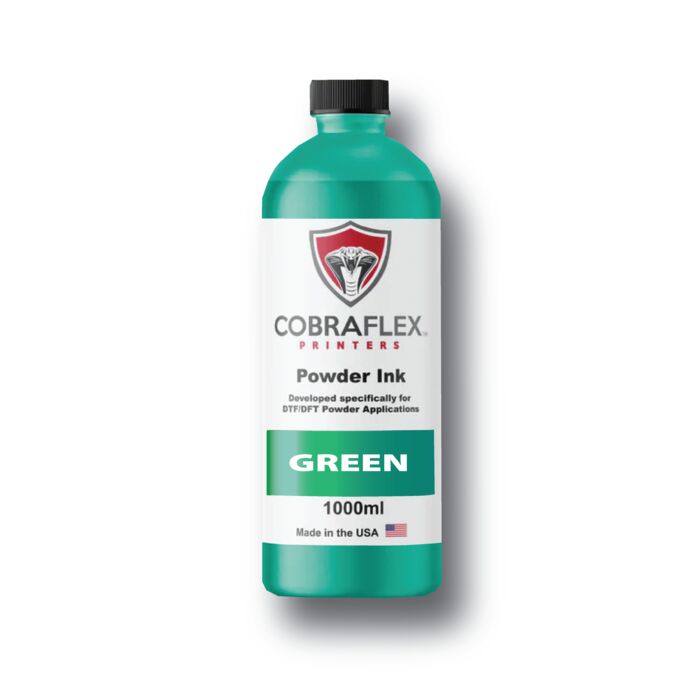
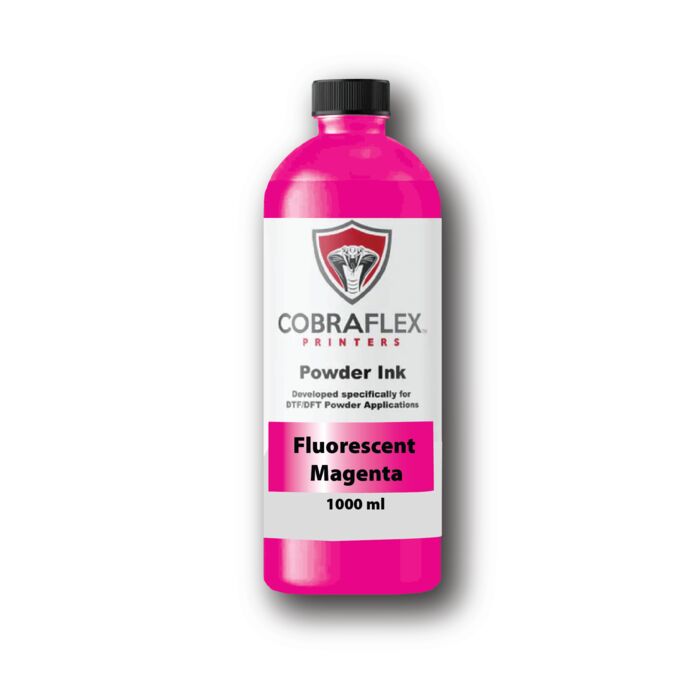
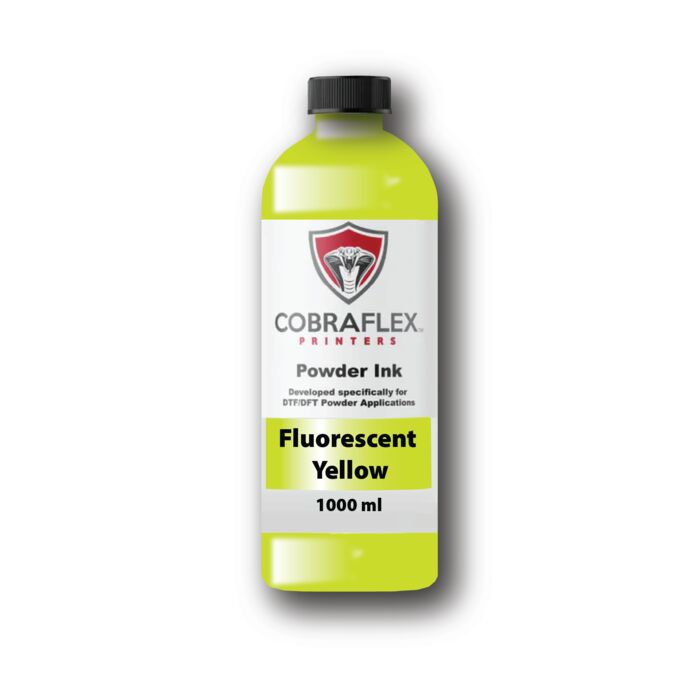
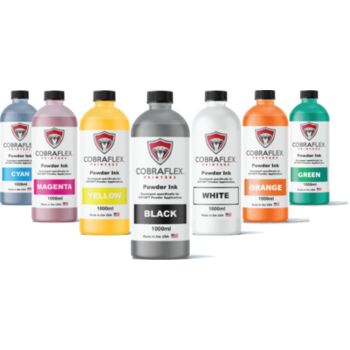
At Buckets of Ink in Tempe, Arizona, our mission is simple: supply the best DTF white ink for high‑quality prints so your transfers look brighter, feel better, and last longer on real‑world garments. DTF Printer Ink or Direct‑to‑Film has reshaped custom apparel by separating image creation from the final press, allowing decorators to print to film, apply adhesive powder, and heat press on demand. That evolution puts enormous importance on ink chemistry. Level up your DTF printing like a Ninja DTF ink with CobraFlex DTF Inks that delivers stable jetting, rich color density, crisp micro‑detail, and predictable curing so your shop can scale from sample to production without costly rework.
Why Ink Quality Decides Transfer Quality
In DTF workflows every variable stacks, and ink sits at the center of that stack. Pigment purity drives gamut, viscosity stability sustains nozzle open time, and resin systems govern how the image coalesces on film, fuses into powder, and anchors to fibers under heat. Choose low‑grade ink and you chase banding, clogged channels, edge bleeding, and washed‑out color. Choose premium ink and you print clean films with bold saturation, high opacity, and smooth gradients that press consistently across cotton, polyester, and blended garments. We stock American‑made DTF white for true block‑out opacity and pair it with proven CMYK sets engineered for modern DTF printheads.
DTF White Ink Made in America for Maximum Opacity and Consistency
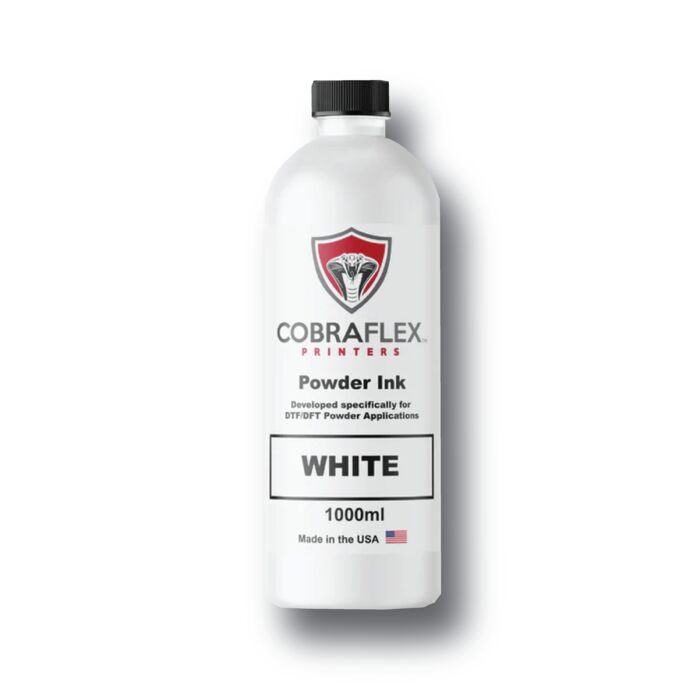
Our American‑made DTF white ink is formulated for clean, high‑solids coverage that lays flat on film yet cures into a dense, flexible base. Shops rely on it because it resists yellowing, stays open on longer runs, and creates a uniform canvas for color. The ink flows smoothly through well‑maintained filtration, minimizing nozzle dropouts while keeping edge acuity intact around fine lettering and micro‑details. When pressed at the proper temperature and pressure, the white layer bonds cleanly with hot‑melt adhesive to deliver bright color, soft hand, and resilient stretch across common fabrics without cracking.
CobraFlex and DuPont Artistri DTF Inks for Production Reliability
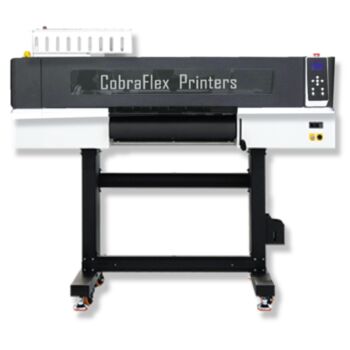
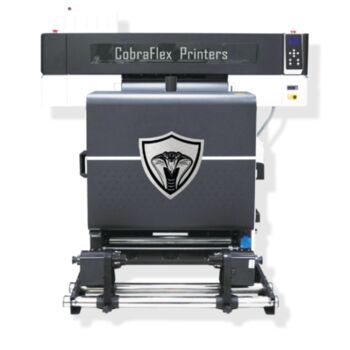
For decorators seeking predictable, repeatable production, we recommend CobraFlex‑optimized CMYK and DuPont Artistri DTF inks. These systems are tuned for stable jetting on Epson i3200 and DX5‑class heads with controlled viscosity and minimal foaming, enabling reliable overnight pauses and fast restarts when your maintenance routine is dialed in. CobraFlex DTF inks are trusted for their quick laydown and robust wash performance after transfer; DuPont Artistri DTF inks are widely respected for color vibrancy and excellent particle dispersion. Together they give shops the flexibility to meet brand‑level standards on color while hitting the throughput targets that keep schedules on track.
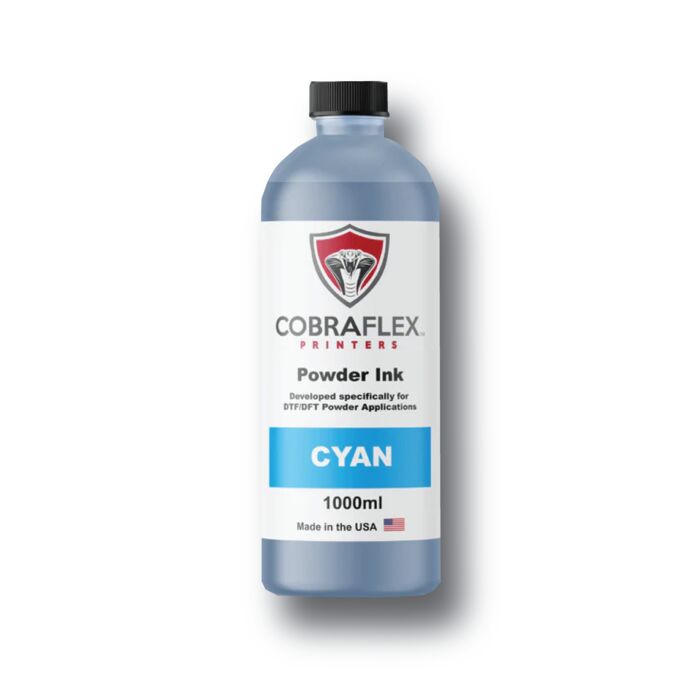
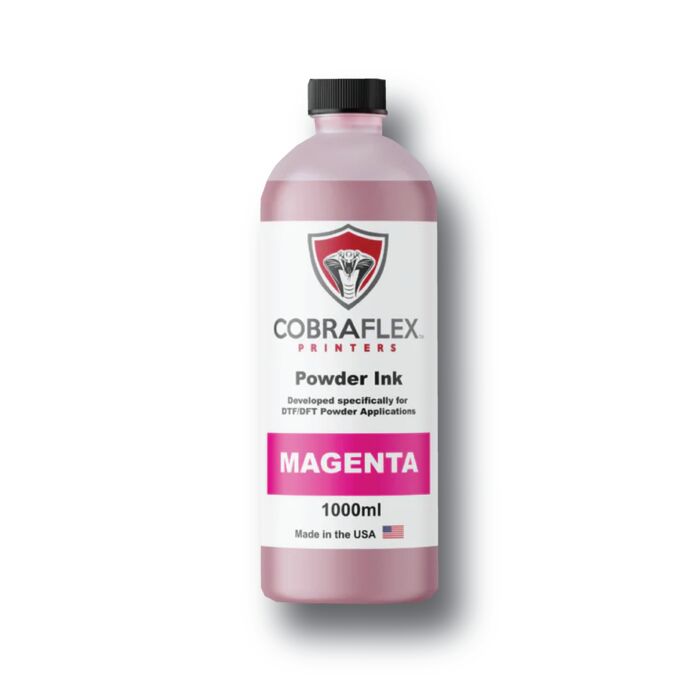
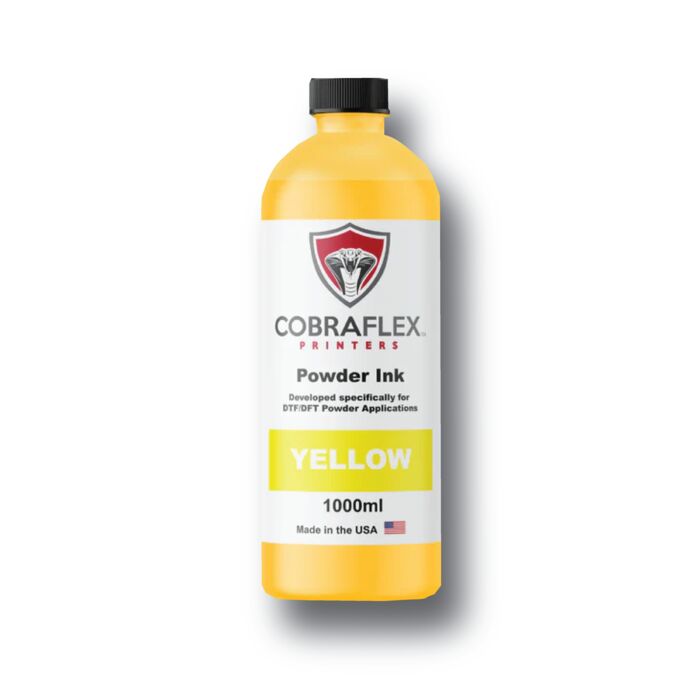
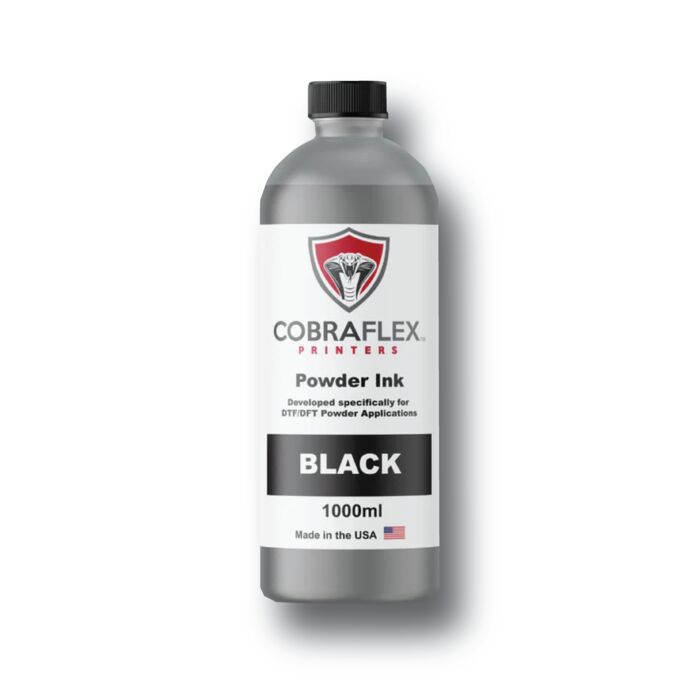
Explore our dedicated DTF Ink category for current inventory. For CobraFlex systems, visit our CobraFlex printers and supplies hub. For DuPont Artistri, see DuPont Artistri DTF inks. Example Buckets of Ink part references included here are representative and should be confirmed at checkout for exact models and volumes: American‑made white, Artistri Cyan 1000 mL, Magenta 1000 mL, Yellow 1000 mL, or Black 1000 mL, CobraFlex CMYK set.
Engineered for Epson i3200 and Production‑Grade Output
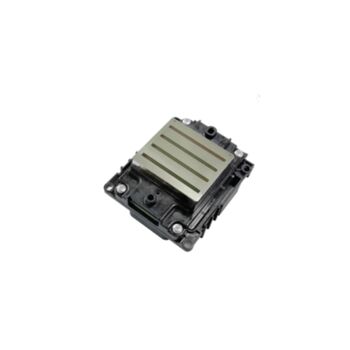
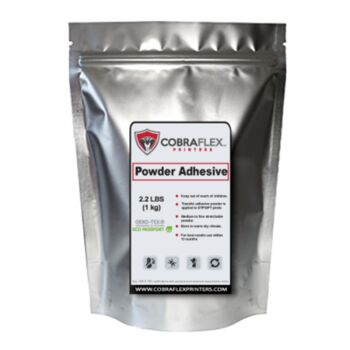
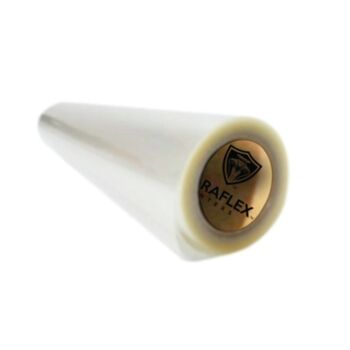
Arizona shops running i3200 printheads prize ink that maintains jetting stability as ambient conditions shift. Our recommended DTF inks hold viscosity in common pressroom temperature swings, helping keep lines open during extended queues. With proper daily wipes, capping, and weekly flush protocols, operators see consistent nozzles and clean nozzle checks. The goal is straightforward: output films with saturated solids, crisp halftones, and smooth gradients that cure fast, powder cleanly, and peel confidently. When you pair these inks with quality PET film and fresh adhesive powder, you elevate both transfer appearance and durability after pressing.
White Underbase and Color Management
The white layer determines how saturated your color appears on dark garments, which is why American‑made DTF white ink matters. A uniform underbase gives CMYK room to pop while maintaining edge clarity. In your RIP, manage ink limits to avoid oversaturation that can widen dots and soften borders. Modern InEdit NeoStampa RIP Software presets for DTF will stage an optimized white choke beneath color to curb halos while preserving detail. The outcome is a sharp image that transfers cleanly with consistent gloss and hand from shirt to shirt.
DTF Equipment & Supplies
TK1600 Spare Parts
DTF-T652/3/4 Spare Parts
DTF-T30 Spare Parts
DTF-A602/3/4 Spare Parts
DTF-A30 DTF Printer Spare Parts
C7090 Cutter Spare Parts
D650 Spare Parts
D300 Spare Parts
DTF Transfer
DTF Printers
DTF Air Scrubber Purifier
DTF Shaker Dryers
DTF Printer Packages
DTF Parts
DTF Inks
DTF Adhesives
DTF Transfer Film
DTF Heat Presses
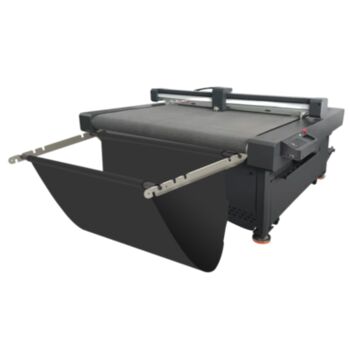
DTF Flatbed Transfer Cutters
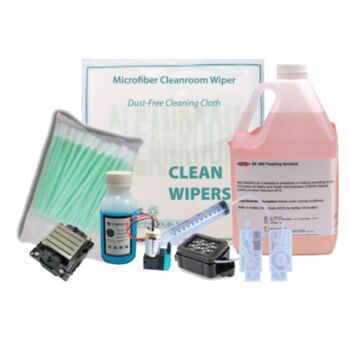
DTF Supplies & Cleaners
Best DTF Ink
Pressing Transfers, Wash Testing, and Longevity
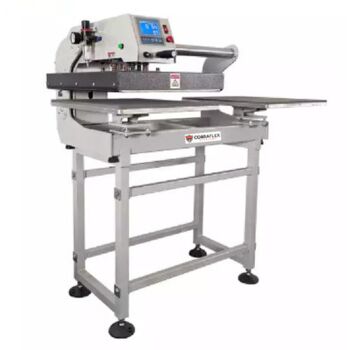
Press recipes vary by film and powder, but a common window runs between 285 and 315°F at medium pressure for 10 to 15 seconds with a warm or cold peel depending on film type, then a brief post‑press to lock in finish. In wash testing we target color retention, stretch without cracking, and resistance to edge lift. Properly built DTF transfers using premium ink retain vibrancy after dozens of consumer wash cycles and typical tumble dry settings when aftercare avoids harsh bleaching agents. Your post‑press finish also tunes hand feel and sheen, allowing you to match the aesthetic your client expects.
Maintenance Habits that Protect Your Investment
Nothing preserves print quality like routine maintenance. Keep ink moving with periodic gentle agitation, maintain a clean capping station, and replace dampers and caps on schedule. Use inline filters appropriate to your head spec to trap particulates before they reach the nozzles. Store ink between 60 and 75°F, sealed from dust and moisture. Small habits eliminate large headaches and keep your queue flowing during peak demand.
Troubleshooting Banding, Bleed, and Edge Lift
If you encounter banding, begin with a nozzle check and head clean, then review platen vacuum and head height. For bleed or fuzzy edges, lower total ink limit or slow carriage to reduce overspray. For edge lift after pressing, increase pressure slightly or add a brief post‑press. Our support team can walk your operator through a rapid diagnostic so you can isolate root cause without burning costly film.
American‑Made White vs. Imported Alternatives
Imported white inks can look attractive on price, but consistency across batches often tells a different story. American‑made DTF white is prized for predictable opacity and flow, helping your shop maintain visual standards without constant RIP changes. When ink behaves the same from bottle to bottle, you keep your separations stable and your operators confident. That reliability is why many Arizona shops standardize on a domestic white paired with proven CMYK sets from CobraFlex or DuPont Artistri.
From Sample to Scale with Local Support
Moving from a dialed‑in sample to a production run calls for ink that behaves under speed. Our recommended sets maintain dot integrity as carriage speeds increase, keeping micro‑type readable and gradients smooth. If your team needs help tuning artwork for DTF, we provide practical guidance on knockout strategy, underbase choke, and black channel control to achieve crisp results on both cotton tees and technical blends. Every solution we suggest is tested in real shop conditions to ensure it survives the pressroom, not just the demo.
Buying Guidance and Inventory Planning
For new adopters, begin with one liter of white and one liter of each CMYK to establish your baseline and validate throughput. As orders stack up, shift to 1000 mL or larger volumes per color that match your demand curve, keeping an extra bottle of white on the shelf to prevent downtime. We forecast Arizona demand and stock accordingly, so your reorders ship quickly when you need them most.
Tour our Arizona showroom, review ink options side by side, and press finished samples so you can feel the hand and judge color in person. We stock the essentials so you leave prepared to run confidently. Use the map below for directions and hours, or call our team to plan a demo tailored to your pressroom.
Five Most Asked Questions About DTF Ink:
What is DTF ink and how does it differ from DTG?DTF ink is a water‑based pigment formulated to print to film, fuse with adhesive powder, and press to fabric. It separates imaging from curing, enabling flexible inventory and on‑demand application, whereas DTG prints directly to fabric and cures immediately on the garment.
Is white DTF ink necessary for dark garments? White ink is essential on dark and saturated fabrics because it provides the opaque foundation that allows CMYK to display accurate color and brightness. A strong, smooth white layer is the difference between muted color and brand‑level saturation.
Do DTF inks work with Epson i3200 printheads? Quality inks are tuned for i3200 with controlled viscosity and dispersion that support fine nozzles. With correct filtration and regular head maintenance, they jet cleanly at production speeds and recover quickly after pauses.
How long do DTF prints last in the wash?Properly produced transfers exhibit durable adhesion and color retention over dozens of wash cycles. Longevity depends on correct press time and temperature, fabric stability, and consumer care. When those are in spec, DTF rivals premium heat transfer durability.
What temperatures and times are recommended for pressing?Typical press windows run near 300°F for 10 to 15 seconds at medium pressure, followed by a short post‑press. Always confirm with your chosen film and powder because peel timing and finish preference can alter the exact recipe.