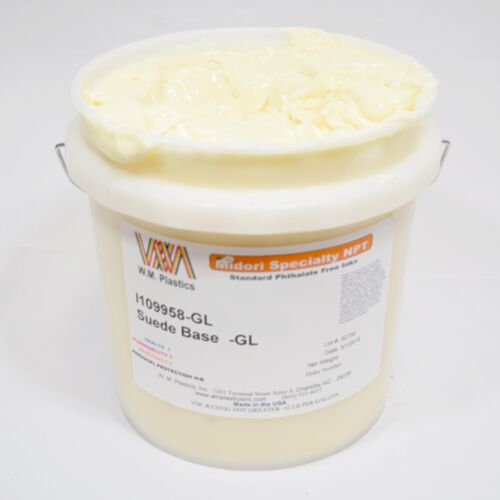
Plastisol ink additives enhance performance, flexibility, and curing control in screen printing. From low cure additives to stretch enhancers and soft hand bases, these modifiers allow printers in Connecticut, Maryland, and Delaware to customize ink behavior for various garments, fabrics, and climates.
What Is a Plastisol Low Cure Additive?
Plastisol low cure additive is designed to reduce the curing temperature of standard plastisol inks. When added to your ink, it allows curing at 260°F to 280°F instead of the typical 320°F. This is essential for printing on heat-sensitive fabrics like polyester, rayon, or performance wear—common across activewear markets in Maryland and Delaware.
Why Use Low Cure Additives?
Fabrics prone to dye migration, shrinking, or melting during high heat require lower curing temps. In Connecticut’s sports printing segment and Maryland’s custom merch scene, low cure additives are used to maintain image clarity while preventing scorch marks or dye bleed. These additives also reduce energy consumption and speed up dryer throughput.
How to Use Low Cure Additive in Plastisol Ink
Add 5% to 10% low cure additive by ink weight to your existing plastisol ink. Mix thoroughly with a spatula or mechanical mixer for even distribution. Always test before production to confirm print opacity and adhesion. When used properly, low cure plastisol ink offers excellent wash durability and full crosslinking at lower temperatures. Shops in Delaware use this approach to print vibrant designs on athletic poly tees and eco-fabric blends.
Compatible Inks and Best Practices
Low cure additives work with most standard plastisol inks, but are especially effective with low-bleed or poly inks. For best results, use a forced air conveyor dryer and confirm surface temp with an infrared gun. Lower temp settings extend belt life and protect delicate garments. In Maryland and Connecticut, where garment diversity ranges from dri-fit to triblends, proper dryer profiling is critical to ensure consistent curing.
Other Essential Plastisol Additives
Beyond low cure, screen printers also rely on:
Stretch additive – Increases elasticity for printing on athletic or compression wear.
Soft hand base – Creates a smooth, lightweight feel on fashion tees and blends.
Puff base – Expands during curing to create 3D texture on hoodies, sleeves, or graphics.
In Connecticut, printers often stock multiple base additives to stay agile with order types and client preferences.
Mesh and Stencil Tips for Additive Use
Use mesh counts that match the ink deposit needs of each additive. For example, use 110–156 mesh for puff or high-opacity jobs and 230+ mesh for soft hand base. With low cure inks, you can maintain regular mesh counts and still achieve full fusion without risking print integrity on heat-sensitive substrates.
Low Cure Printing for Polyester and Performance Wear
Polyester garments are notorious for dye migration—especially red, maroon, or neon shades. By lowering the curing temp, you reduce the chance of dye bleed while still achieving a strong ink bond. In Delaware’s athletic apparel scene and Maryland’s school spirit markets, low cure plastisol is a go-to solution for crisp prints and minimal spoilage.
Saving Energy with Lower Dryer Temps
Lowering your dryer temperature not only protects garments—it saves on energy. Screen printers in Connecticut using low cure additives report shorter dwell times and smoother workflow, particularly when printing multi-layer jobs. Combined with low-temp underbases and reduced flashing, shops can lower their power bill while increasing output.
Training, Support, and Nationwide Supply
Buckets of Ink delivers industry-leading plastisol ink additives, including low cure systems, to print shops in Connecticut, Maryland, and Delaware. We offer step-by-step training, curing charts, mesh guides, and technical support to help your shop print safer, faster, and cleaner with the additives that matter most.
Start Printing with the Right Additives
Whether you're producing activewear in Maryland, fashion merch in Connecticut, or school apparel in Delaware, plastisol ink additives give you the flexibility to deliver superior results. From low cure solutions to custom stretch, puff, or soft hand options, Buckets of Ink has you covered. Browse our plastisol additives and get expert support tailored to your shop's needs.