Heat Transfer Papers & DTF Films | Transfer Printing Supplies & Film Innovations
Shop Online • Great Shipping Rates • In Stock & Ready to Ship
Build a dependable transfer workflow with heat transfer papers for inkjet & laser and DTF transfer films, powders, and inks. Whether you’re producing fast personalization on lights, bold graphics on darks, or high-chroma artwork with stretch, we keep essentials in stock and ready to ship at great shipping rates. For production growth, explore DTF printers and complement with core screen printing supplies for a hybrid schedule that improves margin and compresses turnaround.
Heat Transfer Papers — Inkjet & Laser (Light and Dark Garments)
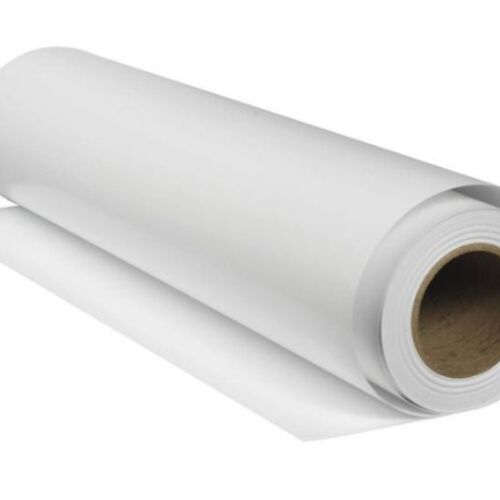
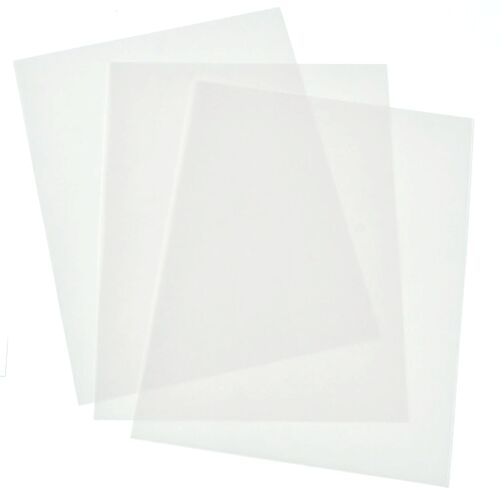
Inkjet papers are coated to receive water-based dye or pigment inks. For light garments, use translucent papers that keep a soft hand; for dark garments, choose opaque papers with a white carrier layer and contour cut for clean edges. Pigment inks generally enhance wash and UV stability over dye. In your driver, select matte/photo-quality modes to lay down sufficient ink without pooling, and print at high resolution for crisp type and gradients.
Laser papers fuse toner to a coated sheet. Single-step papers are fast on lights; two-step self-weeding options for darks minimize background and trimming. White-toner systems deliver the best opacity on dark garments, but many CMYK lasers produce sellable results with the right media. Press discipline matters: pre-press garments to remove moisture, confirm actual platen temperature with a surface probe, follow the specified time/pressure, and observe hot/warm/cold peels precisely. A short finishing press with matte or gloss sheets tunes surface feel and durability.
DTF Transfer Films — Coatings, Peel Types, and Surface Finish
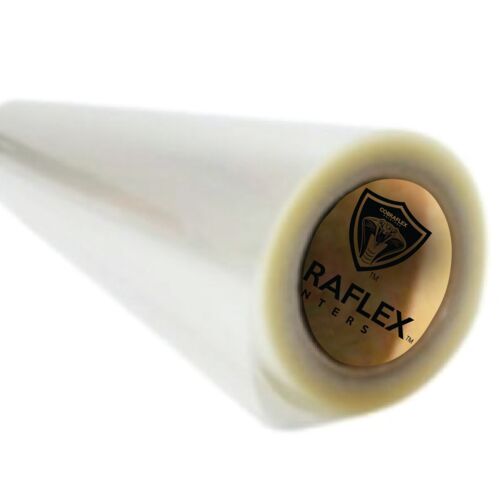
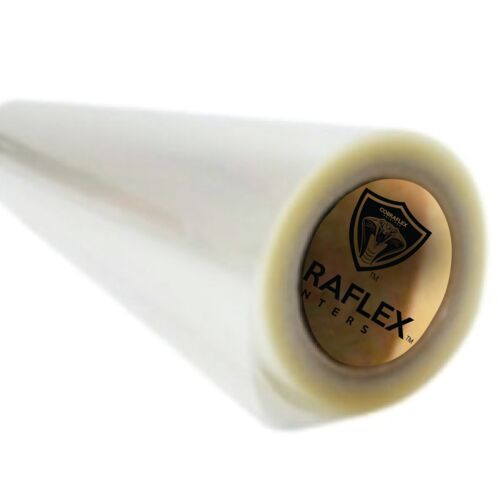
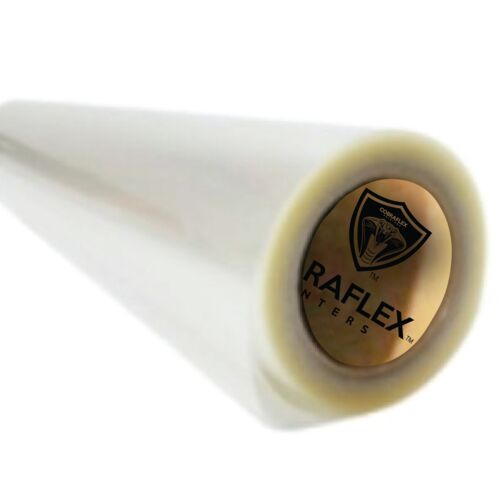
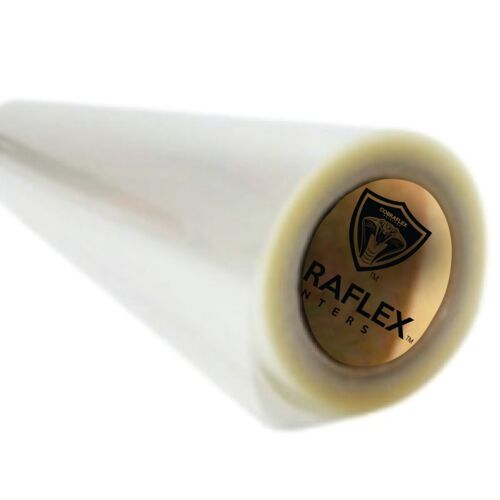
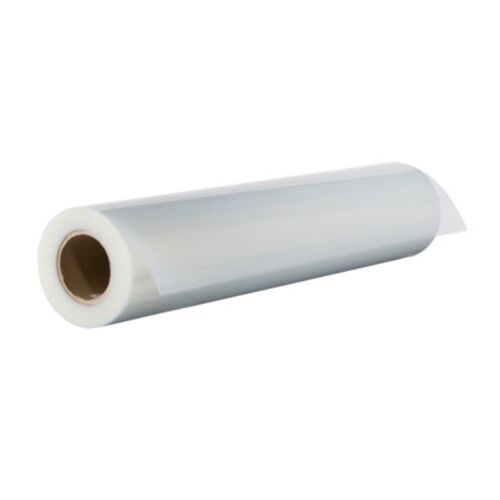
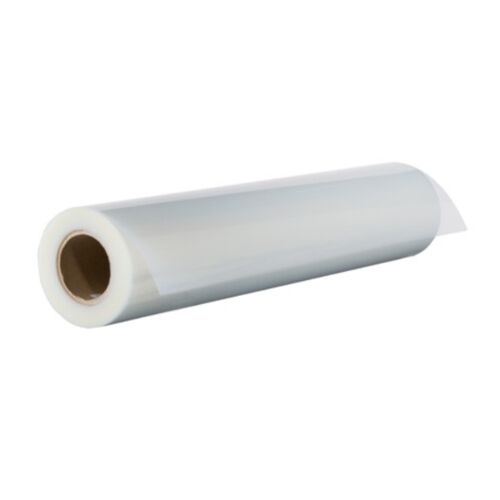
DTF films feature engineered coatings that control ink laydown, powder adhesion, and release. Cold-peel films typically emphasize crisp edges, stable micro-detail, and a matte-leaning finish. Warm-peel films reduce wait time before peel, improving throughput with a slightly different sheen. For tiny text and fine lines, prioritize films with coatings that preserve dot shape and prevent powder clumping. Condition films (humidity) before use for consistent peel and finish.
Adhesive Powders — Particle Size vs. Bond Strength & Hand
DTF powders form the mechanical bond between cured ink and fabric. Fine powders yield smoother hand and preserve micro-detail; medium grades add bond strength on heavy garments or high-abrasion applications. Match powder size to film coating and oven dwell so adhesive melts uniformly—excess powder stiffens edges, too little compromises durability. Keep powders dry and sealed; sift evenly and shake off excess before cure.
DTF Inks — White Management, Chroma & RIP Limits
DTF inks are water-based pigment sets tuned for clean jetting and high color strength. White ink is mission-critical on darks: agitate or recirculate daily, maintain stable room humidity, and run nozzle checks to prevent dropout. In your RIP, set responsible channel ink limits to avoid pooling; linearize for accurate midtones; and apply a white underbase that balances opacity with flexible hand. If your print shows grain or chalkiness, trim ink limits slightly, verify film humidity, and confirm oven temperature and dwell are even across the sheet.
Print: Output mirrored CMYK+White to coated film. Use uni-directional passes for smooth gradients and small text. Powder: Apply a uniform, thin layer; recover excess. Cure: Oven-cure to melt adhesive without glossing—log time, temp, and airflow. Press: Align transfer; press at spec’d temp/pressure; follow cold/warm peel exactly; finish-press if recommended. QA: Stretch and wash tests on first articles confirm bond and hand before scaling. Document your “golden settings” for cotton, poly, and blends so operators can repeat success.
Innovation Spotlight — Films & Papers That Improve Results
Recent coatings focus on lower-temperature activation (protects delicate fabrics), anti-static backers (less dust attraction and cleaner edges), and release-tuned finishes that minimize gloss and preserve textile texture. On the DTF side, films engineered for stable peel windows reduce variability between operators, while powders with tight particle distributions fuse consistently and feel softer. For heat transfer papers, thinner, high-opacity dark sheets with improved carriers enable finer contours and less background. These incremental gains add up to faster approvals and fewer reprints.
Selection Guide — Match Media to Your Work
Fast personalization with office gear:heat transfer paper for inkjet/laser (lights for breathability; dark papers with white layer for opacity). High detail, dark coverage, stretch:DTF transfer film + adhesive powder + inks with a DTF printer for scalable throughput. Hybrid scheduling for profit: Keep transfer paper for quick names/dates; push complex multicolor and darks to DTF; reserve long runs for screen printing inks to minimize unit cost.
Frequently Asked Questions
Should I choose heat transfer paper or DTF film for my job? Transfer paper is ideal for quick, affordable personalization using printers you already own. DTF delivers stretch, dark coverage, and fine detail with durable washes—great for scalable workflows.
What’s the difference between cold-peel and warm-peel DTF films? Cold-peel emphasizes crisp edges and matte feel; warm-peel increases throughput. Pick the peel type that matches your temperature/pressure window and operator pace.
How do I pick adhesive powder size? Use fine powder for soft hand and micro-detail; choose medium for stronger bonds on heavy fabrics. Match to your film coating and oven dwell to avoid orange peel.
How can I avoid DTF white ink issues? Agitate/recirculate white daily, keep humidity stable, run nozzle checks, and set sensible ink limits. Condition films and confirm even oven heat to prevent grainy prints.
What press settings improve durability for transfer paper and DTF? Use a calibrated heat press, follow the exact time/temp/pressure, observe the correct peel (hot/warm/cold), finish-press if recommended, and wash inside-out on cold.
Troubleshooting — Quick Wins
Edges lifting on peel: Confirm true platen temperature; increase pressure slightly; try warm-peel film if crew pace requires. Grain in gradients (DTF): Lower channel limits, condition films for humidity, verify even oven heat/dwell. Glossy surface when you want matte: Reduce dwell a touch; finish-press with matte sheet; confirm powder dose isn’t heavy. Wash failures: Re-check time/temp/pressure; finish-press; ensure customers wash inside-out, cold, gentle cycle.
Online Availability, Inventory Depth & Rates
Browse live availability and order from heat transfer papers and DTF films, powders, inks. For hardware scaling, see DTF printers. We prioritize in-stock essentials and leverage great shipping rates so proofs, approvals, and deliveries stay on schedule. Need help? We’ll match media to garments, tune profiles, and document press targets your crew can repeat confidently.